

Outside the Walls
US seeks to reset Vatican ties as Rubio heads to Rome
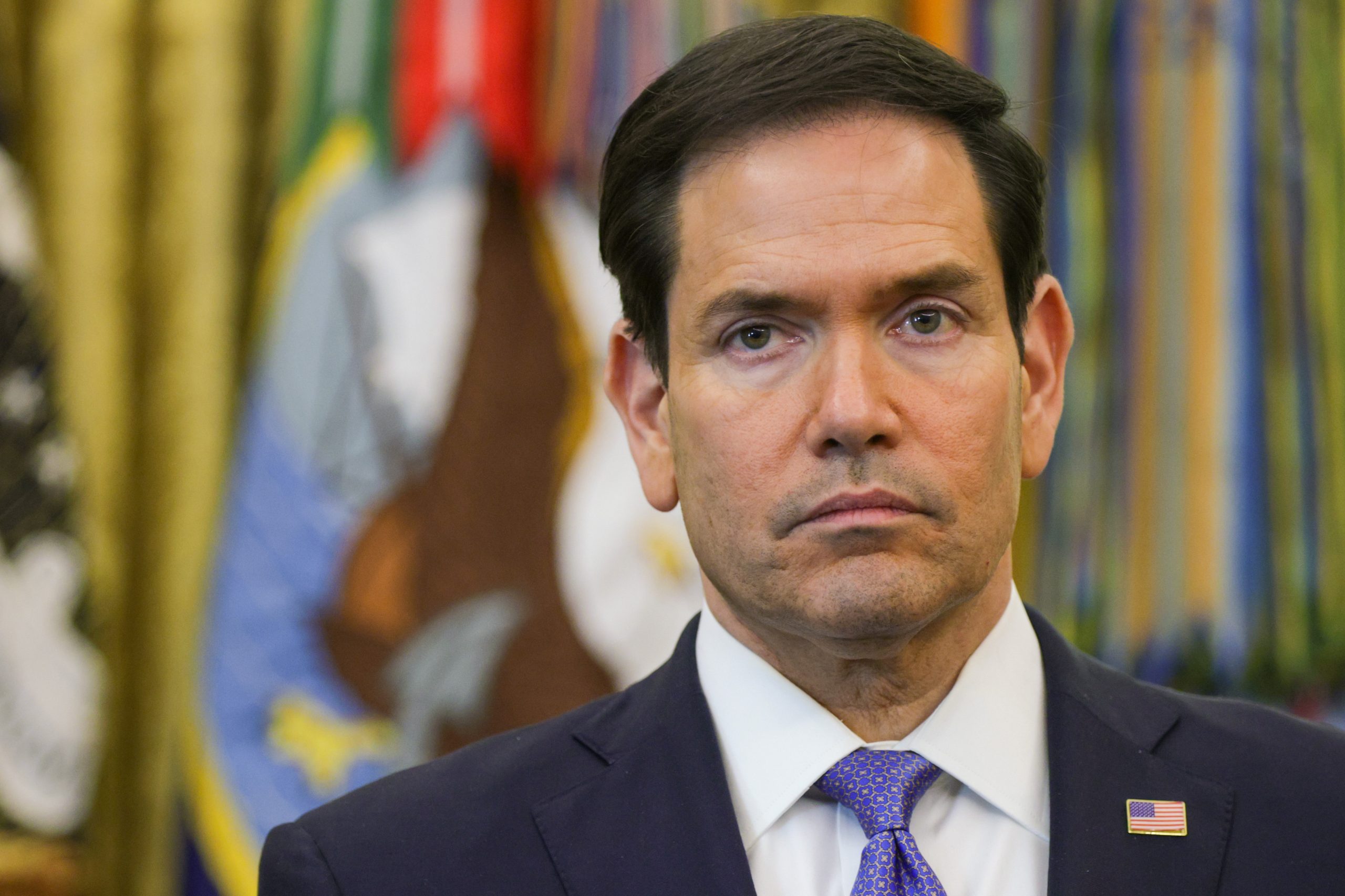
Marco Rubio is set to meet Pope Leo XIV and Cardinal Parolin in Rome, as Washington moves to ease tensions with the Vatican after recent clashes over Iran and criticism from President Trump The United States Secretary of State, Marco Rubio, is expected to arrive in Rome on 7 May for meetings with Vatican and Italian officials, in what is understood to be an effort by Washington to stabilise relations. The visit, confirmed by the Holy See Press Office, will include a meeting with the Pope and talks with Pietro Parolin, as well as senior figures within the Italian government. It comes almost a year to the day since the election of Pope Leo XIV, and marks the first senior-level engagement between the current US administration and the Vatican since the deterioration in relations prompted by the President’s remarks about the pontiff. Over the past month, President Donald Trump has publicly criticised Pope Leo in recent weeks over the Holy See’s opposition to the United States’ military action against Iran. In one post circulated on social media, the President described the Pope as “WEAK on Crime, and terrible for Foreign Policy”. The Vatican has not issued an official response to Rubio’s visit, but the Holy See has continued to articulate its position on the conflict. Speaking to journalists last month while travelling to Africa, Pope Leo said he had “no fear of the Trump administration, or speaking out loudly of the message of the Gospel”. The Pope has repeatedly criticised the use of military force, warning against what he described in a separate address as the actions of “tyrants” who expend vast resources on warfare. Rubio’s presence in Rome is also expected to include discussions with Italian officials, amid signs of strain between Washington and Rome. Italy’s Prime Minister, Giorgia Meloni, had been regarded as a close ally of the Trump administration, but relations have cooled following her criticism of the US position on Iran and her public disapproval of the President’s remarks about the Pope. She described the attacks as “unacceptable”, placing her government at odds with Washington on both diplomatic tone and policy substance. According to Italian press reports, Rubio’s visit was communicated to the government in Rome through diplomatic channels, with indications that efforts have been underway to “rebuild the bridge” between the two countries. Meetings are expected to include Foreign Minister Antonio Tajani, with further contacts under discussion. It remains unclear whether a meeting with Meloni herself will take place. The wider diplomatic context has been further complicated by tensions between the United States and other European allies. Recent statements from Washington have included threats to reassess troop deployments in Europe, including in Italy, Germany and Spain, following criticism from European leaders over the Iran campaign. Italian Defence Minister Guido Crosetto has rejected suggestions that Rome has failed to support US operations, particularly in relation to maritime security. Rubio’s role as a senior Catholic within the administration has been noted. The timing of the visit, with the United States approaching midterm elections later this year, has also attracted attention. Catholic voters remain a significant voting bloc in American politics, having come out in support for all presidential victories in recent history. Trump himself received an estimated 57 per cent of the Catholic vote in 2024. Whether Rubio’s meetings in Rome will succeed in easing tensions remains to be seen, but the decision to send the Secretary of State signals an acknowledgement within Washington that the President is seeking to ease relations with the Vatican.
May 4, 2026
Cardinal Marx denounces “reactionary propaganda” over German Synodal Path
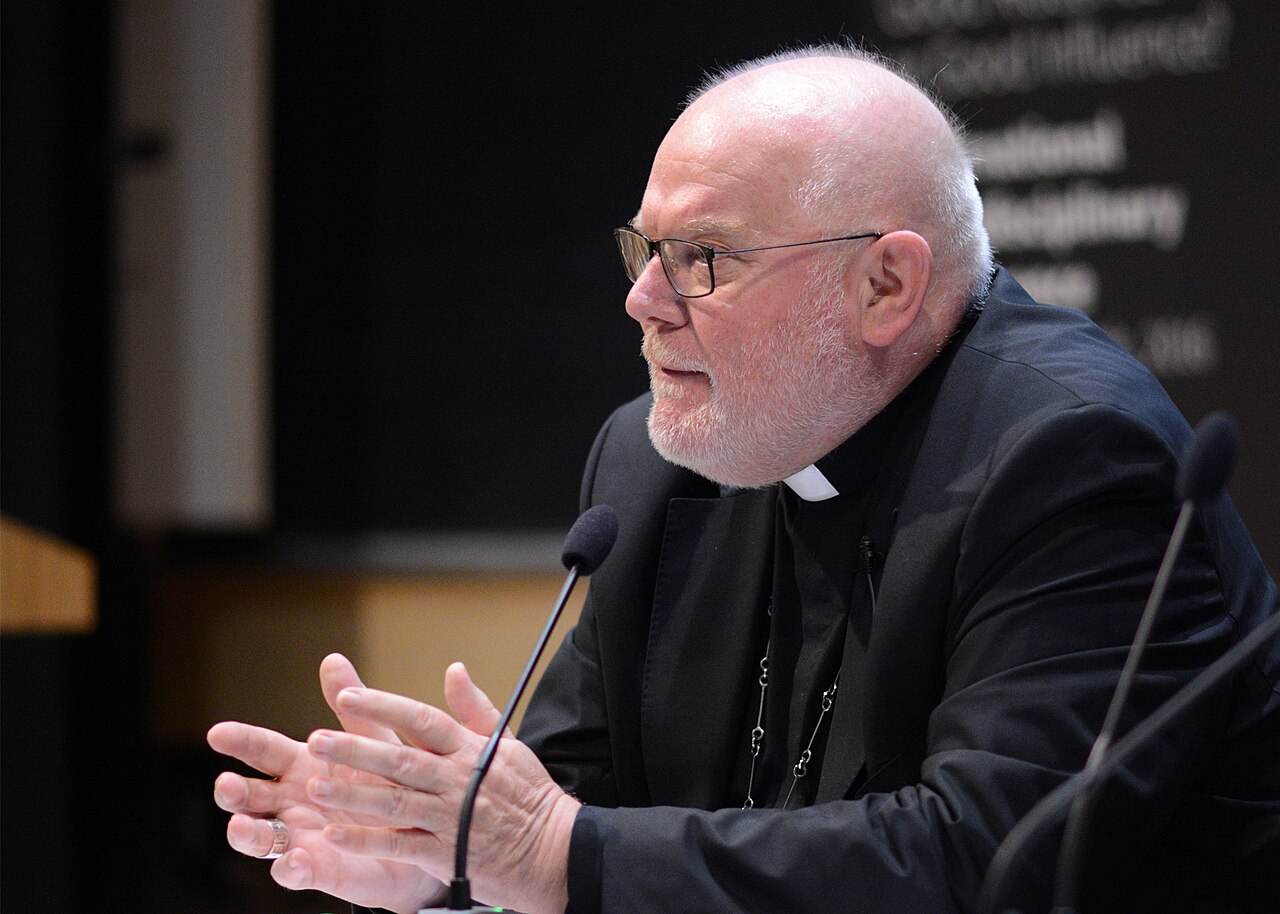
Cardinal Reinhard Marx has criticised what he called “reactionary propaganda” surrounding Germany’s Synodal Path, rejecting claims of a rupture with Rome and defending the direction of the German Church Cardinal Reinhard Marx has criticised what he described as “reactionary propaganda” directed against Germany’s Synodal Path. In an interview with Herder Korrespondenz , the Archbishop of Munich and Freising said that narratives portraying the German Church as moving towards rupture were being driven in a coordinated way, especially in the United States. “This is a social media phenomenon, and it applies to both politics and the Church,” he said, adding that he had raised the issue directly with Pope Francis and Pope Leo XIV. Cardinal Marx rejected suggestions that the Synodal Path risks breaking communion with Rome and defended the particular character of Catholic life in Germany. Referring to earlier concerns expressed in Rome about possible Protestant influence, he said: “I didn’t think that was fair,” insisting that the German Church’s development must be understood in light of its own historical experience. He acknowledged, however, that communication with the Vatican could have been handled differently as tensions emerged. “Perhaps we should have talked more amongst ourselves,” he said, suggesting that earlier and broader dialogue might have prevented misunderstandings from taking hold. The cardinal also pointed to the approach of Pope Leo XIV, saying the Pope had shown a willingness to listen to differing voices within the Church rather than act unilaterally. “He doesn’t simply want to decide something spontaneously, but is interested in the opinions of many different people,” Marx said, noting that the Pope has already received a number of German bishops in audience. Alongside his comments on the Synodal Path, Marx addressed the financial position of the Holy See, describing current difficulties as manageable. Writing in the same publication, he said that the situation does not amount to a structural crisis, but requires more effective coordination and oversight. He pointed to the complexity of Vatican finances, where multiple entities operate with separate reporting systems, and suggested that greater unity in administration would improve transparency. He noted that the central structures of the Church rely heavily on income from the Institute for the Works of Religion and the resources of Vatican City State, including the museums, while traditional sources such as Peter’s Pence are no longer sufficient on their own. Without such support, he indicated, it would be difficult to sustain the costs of the Roman Curia, the diplomatic service and the Church’s global communications. Marx confirmed that proposals are under consideration to strengthen fundraising and rationalise financial management, including the possible creation of a dedicated office for this purpose. He also referred to ongoing concerns over pension liabilities, noting that these issues reflect wider pressures faced by institutions internationally rather than a uniquely Vatican problem. The Synodal Path, launched in 2019 by the German bishops and lay representatives, has been the focus of sustained scrutiny from Rome, particularly over its discussions on authority, morality and Church governance. While the Vatican has repeatedly stressed the limits of national initiatives, German bishops have maintained that the process is intended as a contribution to the wider life of the universal Church rather than a departure from it. Image credit: By Dermot Roantree – Own work, CC BY-SA 4.0, https://commons.wikimedia.org/w/index.php?curid=115697769
May 4, 2026
Papal Foundation approves record $15 million in grants for 2026
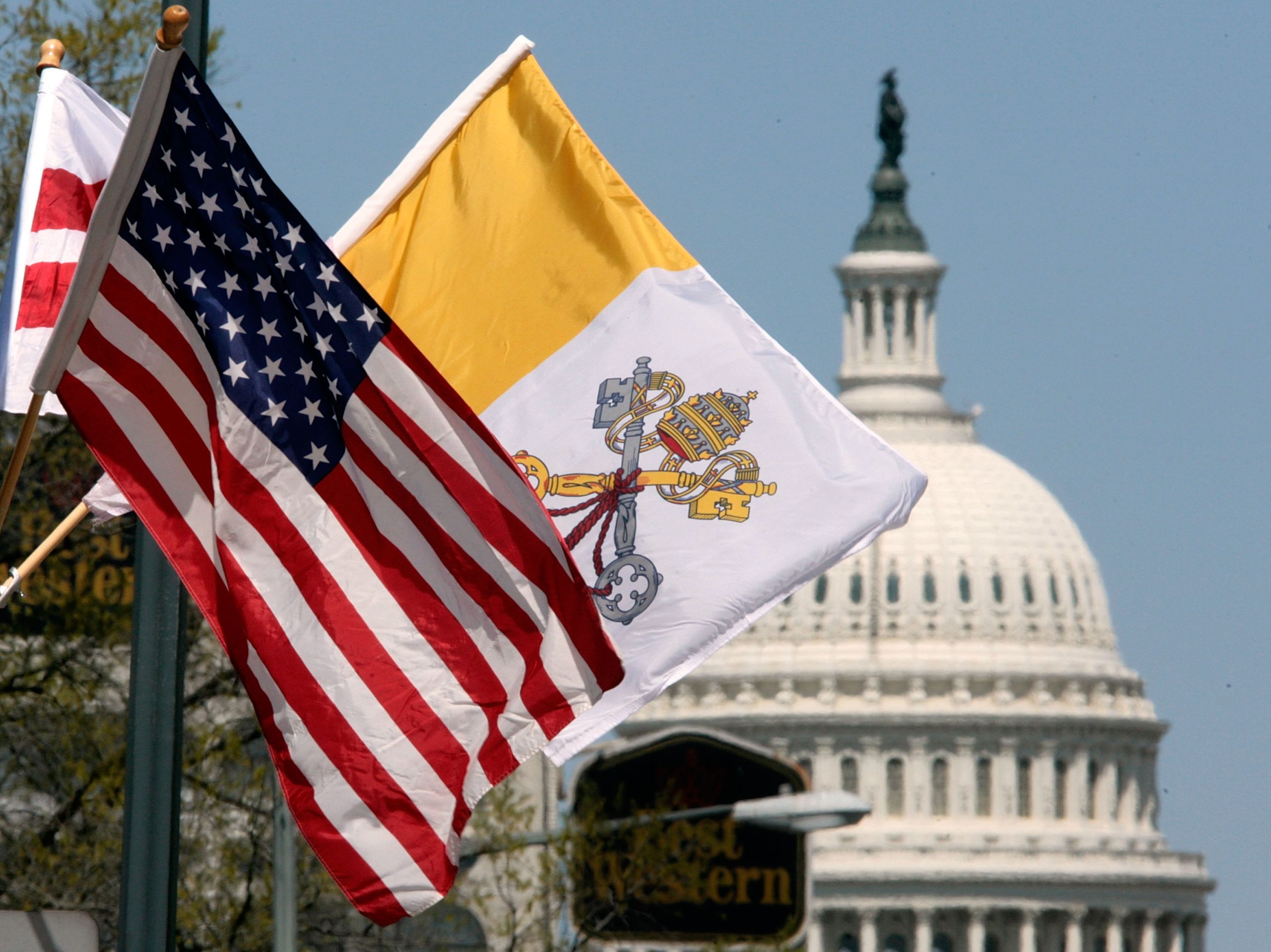
The Papal Foundation has approved more than $15 million in grants for 2026, its largest total to date, funding over 140 projects worldwide The Papal Foundation has approved more than $15 million in grants for 2026, marking the largest total in its 38-year history. The announcement came as Pope Leo XIV received members, trustees and stewards of the foundation at the Apostolic Palace at the conclusion of their annual pilgrimage. The Chicago-born pontiff thanked donors for their sustained financial backing of projects ranging from humanitarian aid to clerical education, telling them their generosity had enabled “countless people to experience in a concrete fashion the goodness and kindness of God in their own communities”. According to figures released by the foundation, the 2026 grants will support more than 140 projects across approximately 75 countries, continuing a steady increase in annual distributions in recent years. In 2023, the foundation allocated around $9.5 million to 114 projects in 57 countries, rising to roughly $14 million in 2025 for 116 projects in more than 60 countries. The latest total represents a further expansion rather than an isolated increase, with consistent growth in the foundation’s grant-making capacity. The foundation also reported a notable rise in new membership, with 25 families joining in the year since the election of Pope Leo XIV. Membership as a steward requires a contribution of at least $1 million, forming part of an endowment used to fund papal projects. The increase is viewed as a sign of renewed engagement among wealthy American Catholics following the election of the first pope born in the United States. During the audience, the Pope referred to his own experience of the foundation’s work during his time as Bishop of Chiclayo, stating: “I have already been aware of your work, especially during my years of service as Bishop of Chiclayo, where I saw first-hand the positive impact of the Foundation’s grants, as both the Diocese and a religious community were blessed to receive assistance on various projects, thanks to your generosity.” He continued by expressing gratitude for the organisation’s role in supporting the universal Church, saying: “I am, therefore, deeply grateful for your ongoing commitment to assist the Successor of Peter in his mission to care for the needs of the universal Church.” The Pope pointed in particular the role of the foundation in funding scholarships for priests and Religious from developing countries to study at pontifical universities in Rome. “Many priests and consecrated men and women have likewise been able to receive an advanced education from the Pontifical Universities in Rome that would otherwise not have been possible, forming them to be future leaders in the Church,” he said. The Pope also emphasised the wider spiritual dimension of charitable giving, stating: “All members of the Church, by virtue of our Baptism, share the responsibility to proclaim the Gospel today with words as well as with charitable deeds.” He added that “by funding projects, humanitarian aid and scholarships for people from around the world, the Papal Foundation participates in the Church’s ongoing evangelical mission”. Referring to the liturgical season, the Pope described Easter as a “time focusing on mission as well as peace” and recalled Christ’s words to the Apostles, “Peace be with you!” He told members that their work contributes not only to the Church’s mission but also to peace at local and regional levels. Concluding his remarks, the Pope asked for continued support and prayers, saying: “I ask for your continued prayers for my ministry as the Successor of Saint Peter and for the needs of the Church.” He added: “You will probably never meet everyone who has benefitted from your kindness, so in their name I express heartfelt appreciation.” The Papal Foundation, established in 1988 by Cardinal John Krol of Philadelphia, was created to provide direct financial support for the charitable priorities of the Pope. Based in Pennsylvania, it includes all United States cardinals as ex officio members and is governed by a board of lay trustees and bishops. Since its inception, it has distributed more than $250 million to projects around the world. Speculation that financial concerns may have influenced the election of Pope Leo XIV has been rejected by senior Church figures. Speaking in Rome at the presentation of a book examining relations between the United States and the Holy See, Cardinal Gerhard Ludwig Müller said: “Although Cardinal Reinhard Marx dedicated a full day to discussing the Holy See’s finances in the pre-conclave, this did not influence the final decision.” He added that the election of a pope “is based on different criteria”, stressing the spiritual nature of the process. During the pontificate of Pope Francis, contributions linked to Vatican causes experienced a noticeable decline, particularly in the years following the global financial crisis and during the Covid-19 pandemic. Reports of financial corruption within Vatican structures further weakened donor confidence, especially among American benefactors, while Pope Francis’s criticism of aspects of free market capitalism was also seen to have cooled enthusiasm in some quarters.
May 4, 2026
Sons of the Most Holy Redeemer declare new position on the papacy
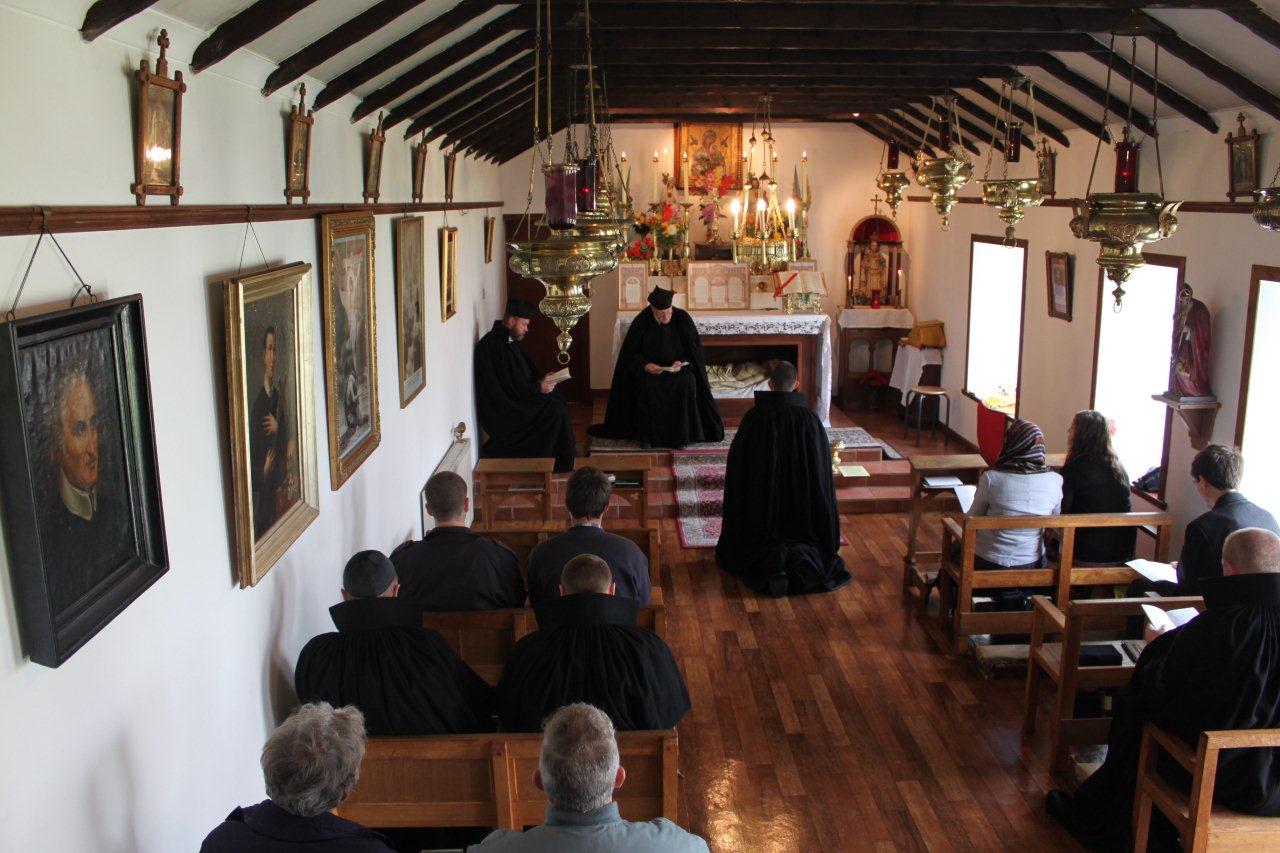
The Sons of the Most Holy Redeemer, a traditionalist community previously associated with the SSPX and later reconciled with Rome, has formally rejected the current papacy and called for an “imperfect general council” The Sons of the Most Holy Redeemer (FSSR) have publicly rejected the validity of the current papacy in a 21-page letter which describes a “spiritual catastrophe” in the Church since the Second Vatican Council. The community issued the document on 2 May, setting out a sustained critique of developments in doctrine, liturgy and governance in the Catholic Church over recent decades. In the letter, addressed to the faithful, the priests and brothers claim that the crisis stems from a long-term infiltration within the Church’s structures. “The problem is, as St Pius X warned, that the structures of the Catholic Church have been infiltrated by men of a different non-Catholic religion,” they wrote. “They use the Catholic name, they occupy the Catholic buildings, they know the Catholic culture. From the outside they look to be Catholics, but they do not profess the Catholic Faith as taught through the centuries.” The statement continues: “In reality, they have been formed as revolutionaries committed to the condemned Freemasonic heresies of Religious Liberty, Religious Indifference and False Ecumenism. Their infiltration has struck a lethal wound to the Catholic religion; they have brought about a major schism from the Mystical Body. We must stand firmly with the Catholic Church and move well away from the camouflage of its counterfeit.” The community argues that the effects of this alleged infiltration became fully visible in the period following the Second Vatican Council, held between 1962 and 1965. “Since the Second Vatican Council, the apparent Popes have caused a spiritual catastrophe of the greatest imaginable proportions,” the letter states. It adds that “new doctrinal, moral, liturgical, and disciplinary decisions since Vatican II cannot be accepted because they contradict what came before.” Despite the severity of its criticisms, the community insists that it does not consider itself to be separating from the Church. “Our Faith has not changed. Holding the True Faith of our Fathers, we will continue to offer the True Mass. We will worship the True God. And we will work for an Imperfect General Council to bring about the triumph of Christ’s One, Holy, Catholic and Apostolic Church,” the letter states. The monks further emphasise this point, writing: “We are not saying that we should leave the Catholic Church. The Catholic Church is the Ark of Salvation, the Mystical Body of Christ, the Bride without spot or wrinkle. We cling to her with all our strength. But we must recognise that the institutional structures that claim to be the Catholic Church have been infiltrated.” The declaration goes on to set out practical conclusions drawn from these claims, including a refusal to recognise the authority of the current pontiff. “We must do what Catholics have always done in times of crisis: we must hold fast to the Faith as it has always been taught. We must give no juridical recognition to those who have departed from it, including Leo XIV and his bishops,” the text states. Since 1999, the FSSR community has been based on Papa Stronsay, a small island in the Orkney archipelago off the north coast of Scotland. They also have one house in the United States and previously had another in New Zealand. The group traces its origins to the Society of St Pius X, itself founded in 1970 by Archbishop Marcel Lefebvre amid disputes over the interpretation and implementation of the Second Vatican Council. In 2008, the community sought reconciliation with Rome and was received into full communion during the pontificate of Pope Emeritus Benedict XVI. The declaration issued by the Sons of the Most Holy Redeemer on Papa Stronsay is the culmination of a trajectory that has been evident for some time. On 16 October last year, the group published “An Open Letter to the Catholic Bishops, Priests, Religious and Faithful” which took issue with various actions taken by Rome under Pope Francis, including Amoris Laetitia , Traditionis Custodes and Fiducia Supplicans . The recent letter marks a decisive break and makes the prospect of reconciliation considerably more difficult. Leaving little ambiguity, it states: “Since the Second Vatican Council, the apparent Popes have caused a spiritual catastrophe of the greatest imaginable proportions,” the priests and brothers write, adding that “new doctrinal, moral, liturgical, and disciplinary decisions since Vatican II cannot be accepted because they contradict what came before.” They conclude by saying: “We must give no juridical recognition to those who have departed from it, including Leo XIV and his bishops.” What has now emerged publicly confirms what some had already suspected. The community’s current position goes beyond that of the Society of St Pius X, which, despite its longstanding criticisms of Vatican II, has consistently stopped short of denying the legitimacy of the Pope. The Papa Stronsay declaration represents a further step, one that places the group closer to sedevacantist or quasi-sedevacantist currents. This shift had been anticipated in reporting from within traditionalist circles. It was unlikely that the Transalpine Redemptorists would rejoin the Society of St Pius X. Instead, sources within the Society suggested that the community was moving towards a more radical alignment, potentially situating itself within what has sometimes been described as the “sedevacantist” orbit. It is also believed that the group has received conditional ordinations from Bishop Pierre Roy, a former priest of the Society of St Pius X who is now a sedevacantist bishop. Bishop Roy himself has advocated the convocation of an ‘Imperfect General Council’ to resolve what he perceives to be a crisis in the Church. The community has explicitly called for an ‘Imperfect General Council’, a gathering of bishops who, in their view, have preserved the true faith. The idea has been referenced in external interviews. In remarks to a New Zealand outlet, Father Michael Mary indicated support for such a proposal, suggesting that the community sees this as a practical path forward in the absence of recognised ecclesial authority.
May 3, 2026
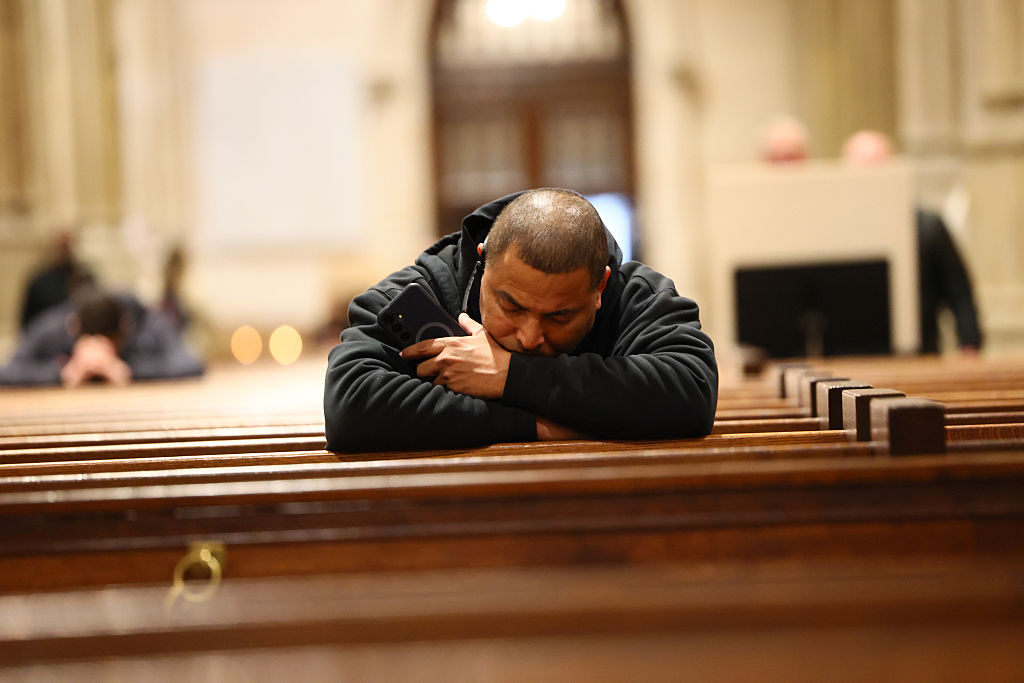
Minnesota diocese plans ‘drastic reduction’ of parishes in response to clergy shortage
The Diocese of St Cloud plans to cut its parishes from 131 to 48, with many losing Sunday Mass, as clergy shortages and falling practice force a major restructuring across central Minnesota The Diocese of St Cloud in Minnesota is preparing to implement what has been described as one of the most sweeping restructurings of parishes in the region, with plans to reduce its 131 parishes to 48 amid a shortage of clergy and a long-term decline in Catholic practice. The proposals, reported by the Minnesota Star Tribune on 30 April, will affect the vast majority of the diocese’s estimated 110,000 faithful and will mark a decisive shift in how Catholic life is organised across central Minnesota. Even parishes that remain open are expected to lose regular Sunday Mass provision under the plans. Brenda Kresky, the diocesan director of pastoral planning, told the Minnesota Star Tribune that the changes were unavoidable given present circumstances. “Right now, all of our 131 parishes have Mass every weekend,” she said. “We’re reducing that by [about] a third and saying, even if you remain open, you won’t have Mass at the weekend.” The scale of the restructuring reflects an imbalance between the number of parishes and the clergy available to serve them. According to the 2025 edition of The Official Catholic Directory, the diocese has 49 active diocesan priests, alongside a wider total of 87 diocesan clergy and 73 religious priests. The ratio has left many priests responsible for multiple communities, often travelling between several churches each weekend. Kresky acknowledged the strain this places on clergy and the diminishing congregations they serve. “Many of our churches are four miles apart, five miles apart,” she said, describing a landscape shaped by immigrant settlement patterns in which churches were built in close proximity to sustain local communities. In practice, this has meant priests celebrating several sparsely attended Masses across a wide area rather than serving a single, larger congregation. The restructuring process is being led by Bishop Patrick Neary, who is expected to begin issuing formal decrees in the coming weeks. The proposals themselves have been developed over the past year through consultation with regional committees comprising clergy and lay representatives, though this has not prevented opposition at parish level. The prospect of closures represents not simply administrative change but the loss of longstanding communal identities. John Wicker, a parish trustee at Holy Cross Church near Pearl Lake, told the newspaper that the impact would be deeply felt. “It’s going to split up the community,” he said. “What’s going to hurt the most is losing those connections over time.” Similar concerns have been voiced elsewhere in the diocese. Carly Serbus, a member of St Anne’s in Kimball, described the proposals in stark terms. “This is just devastating for us,” she said. “It’s ripping the heart out of our community.” The emotional response reflects the historic role played by Catholic parishes in the region. Many were established more than a century ago by German and Polish immigrants, serving not only as places of worship but as centres of social and cultural life. In rural areas especially, the parish church has often functioned as the focal point of the community across generations. Yet the demographic realities facing the Church in Minnesota mirror broader trends across the United States. Data from the Pew Research Center indicates that the proportion of adults in Minnesota identifying as Catholic has fallen from 28 per cent in 2007 to 18 per cent in 2024, while the number of those claiming no religious affiliation has more than doubled over the same period. At the same time, the number of men entering the priesthood across the United States has not kept pace with pastoral needs. The result is a growing structural strain that dioceses across the region have already begun to address. The Archdiocese of St Paul and Minneapolis reduced its number of parishes from 213 to 192 beginning in 2010, while the dioceses of Duluth and New Ulm have also implemented mergers and closures over the past decade. St Cloud has until now delayed similar measures. Kresky suggested that earlier inaction was influenced by exceptional circumstances, including episcopal illness and the demands placed on diocesan leadership during the clerical abuse crisis and subsequent bankruptcy proceedings. “Everybody’s done something – and we didn’t,” she said. “What we are looking at now is how do we best serve our people right now with the resources that we have?” The practical consequences of the restructuring will extend beyond the immediate question of parish closures. While some church buildings may remain in use for occasional services or other purposes, decisions regarding their long-term future have yet to be finalised. This uncertainty has added to the anxiety among parishioners concerned about the fate of historic buildings, religious artefacts and local traditions. There remains, however, a formal process through which parishioners may challenge closure decisions. Should a parish be suppressed, the faithful have the right to petition the diocesan bishop and, ultimately, to appeal to the Holy See. Though relatively uncommon, such appeals have on occasion succeeded, as in the case of a church in the Diocese of Duluth, which was reopened in 2021 after a period of closure.
May 1, 2026
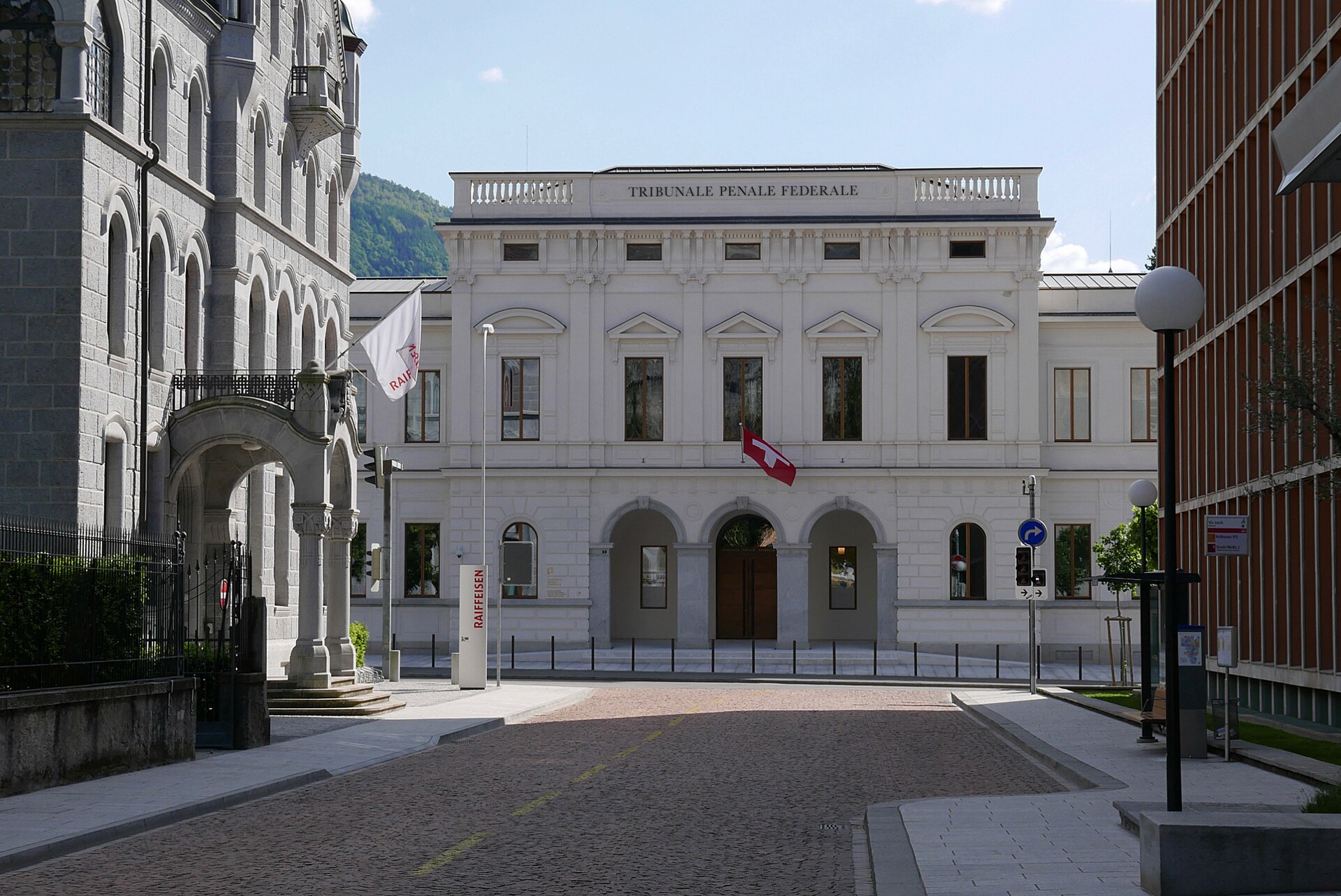
Switzerland drops case against Crasso in setback for Vatican ‘trial of the century’
Swiss prosecutors have dismissed proceedings against Enrico Crasso, rejecting Vatican claims over fund mismanagement and criticising the Secretariat of State’s lack of cooperation Switzerland has dismissed criminal proceedings against Enrico Crasso, the former financial adviser to the Secretariat of State, concluding that no offences were committed in relation to the management of Vatican funds, delivering a further blow to the Holy See’s “Trial of the Century”. First reported by Nico Spuntoni, Vatican correspondent of Il Giornale , the decision was issued by Federal Prosecutor Annina Scherrer in Lugano following an investigation opened in June 2020 after a complaint by the Secretariat of State. The Vatican Secretariat of State had alleged criminal mismanagement in connection with investments made through the Centurion Global Fund, as well as raising accusations of fraud and corruption. The Swiss authorities found no evidence to support those claims. In her decree, Federal Prosecutor Scherrer determined that there had been no mismanagement or embezzlement on the part of Crasso in his role as a financial consultant. The ruling explicitly states that the Secretariat of State “must be considered an experienced investor, fully aware of the provisions to which it adhered”, rejecting the suggestion that it had been misled in its dealings. The case centred on investments managed by Crasso through his company, Sogenel Capital Investment, under a mandate from the Secretariat of State. These financial arrangements had already formed part of the broader Vatican investigation into the purchase of a London property in Sloane Avenue, a transaction that triggered one of the most significant financial trials in the history of the Holy See. The Swiss proceedings ran in parallel to the Vatican’s own judicial process. In the first-instance Vatican trial, Crasso had been sentenced to seven years’ imprisonment for embezzlement and self-laundering. However, he had been acquitted of charges specifically related to the management of the Centurion Fund. That distinction was noted in the Swiss prosecutor’s findings. The credibility of the Vatican trial has already been called into question after the Court of Appeal declared parts of the proceedings null. The Swiss ruling adds to the difficulties facing the prosecution’s case. However, the decree from Lugano contains direct criticism of the Vatican’s conduct during the investigation. Despite being the complainant, the Secretariat of State did not comply with requests from Swiss authorities to facilitate interviews with key figures connected to the case. According to the decree, Swiss investigators sought to question several individuals, including Monsignor Alberto Perlasca and Archbishop Edgar Peña Parra, through formal letters rogatory. These requests were not executed. In a note dated November 30, 2023, the Secretariat of State responded: “These are jurisdictional acts that cannot be performed by state authorities in the territory of another state,” adding that it would consider “the appropriateness of Swiss magistrates sending the tribunal the questions to be asked or the facts requested for examination.” Scherrer highlighted this refusal in her findings, describing the situation as paradoxical given that the Vatican itself had initiated the complaint. The decree records that the Swiss authorities received the response “not without surprise” and concluded that the lack of cooperation hindered the investigation. The prosecutor further observed that “interrogating the persons informed of the facts (…) would have been of fundamental importance to verifying the veracity” of the allegations. In light of the Vatican’s position, the Swiss authorities declined to proceed by submitting questions through the Vatican tribunal, citing concerns over the integrity of the process. The decree also points to what Scherrer described as “the influence of the private accuser and whistleblower within the Vatican State”, suggesting that internal dynamics may have affected the handling of the case. The refusal to allow direct questioning of witnesses was regarded as a significant obstacle to establishing the facts. The outcome leaves the Secretariat of State without recourse in the Swiss jurisdiction and raises further questions about the coherence of the wider legal strategy pursued by the Holy See. It follows earlier setbacks in other jurisdictions, including proceedings in England related to the London property deal. The Secretariat of State has not publicly responded in detail to the Swiss decision. The case nevertheless marks another stage in a protracted process that has tested the Holy See’s judicial structures and its approach to financial governance.
Apr. 30, 2026