Switzerland has dismissed criminal proceedings against Enrico Crasso, the former financial adviser to the Secretariat of State, concluding that no offences were committed in relation to the management of Vatican funds, delivering a further blow to the Holy See’s “Trial of the Century”.
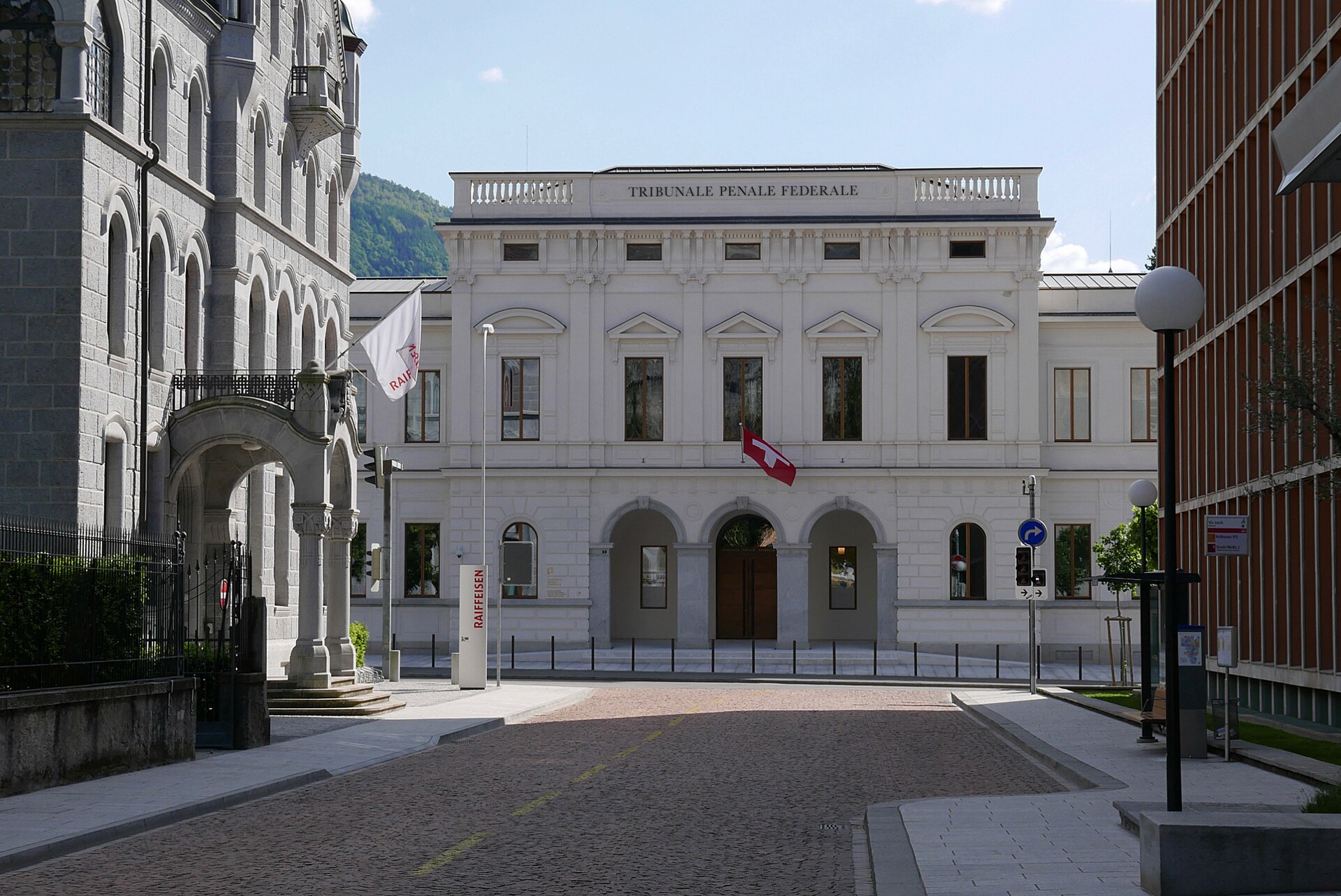
First reported by Nico Spuntoni, Vatican correspondent of Il Giornale, the decision was issued by Federal Prosecutor Annina Scherrer in Lugano following an investigation opened in June 2020 after a complaint by the Secretariat of State.
The Vatican Secretariat of State had alleged criminal mismanagement in connection with investments made through the Centurion Global Fund, as well as raising accusations of fraud and corruption. The Swiss authorities found no evidence to support those claims.
In her decree, Federal Prosecutor Scherrer determined that there had been no mismanagement or embezzlement on the part of Crasso in his role as a financial consultant. The ruling explicitly states that the Secretariat of State “must be considered an experienced investor, fully aware of the provisions to which it adhered”, rejecting the suggestion that it had been misled in its dealings.
The case centred on investments managed by Crasso through his company, Sogenel Capital Investment, under a mandate from the Secretariat of State. These financial arrangements had already formed part of the broader Vatican investigation into the purchase of a London property in Sloane Avenue, a transaction that triggered one of the most significant financial trials in the history of the Holy See.
The Swiss proceedings ran in parallel to the Vatican’s own judicial process. In the first-instance Vatican trial, Crasso had been sentenced to seven years’ imprisonment for embezzlement and self-laundering. However, he had been acquitted of charges specifically related to the management of the Centurion Fund. That distinction was noted in the Swiss prosecutor’s findings.
The credibility of the Vatican trial has already been called into question after the Court of Appeal declared parts of the proceedings null. The Swiss ruling adds to the difficulties facing the prosecution’s case.
However, the decree from Lugano contains direct criticism of the Vatican’s conduct during the investigation. Despite being the complainant, the Secretariat of State did not comply with requests from Swiss authorities to facilitate interviews with key figures connected to the case.
According to the decree, Swiss investigators sought to question several individuals, including Monsignor Alberto Perlasca and Archbishop Edgar Peña Parra, through formal letters rogatory. These requests were not executed. In a note dated November 30, 2023, the Secretariat of State responded: “These are jurisdictional acts that cannot be performed by state authorities in the territory of another state,” adding that it would consider “the appropriateness of Swiss magistrates sending the tribunal the questions to be asked or the facts requested for examination.”
Scherrer highlighted this refusal in her findings, describing the situation as paradoxical given that the Vatican itself had initiated the complaint. The decree records that the Swiss authorities received the response “not without surprise” and concluded that the lack of cooperation hindered the investigation.
The prosecutor further observed that “interrogating the persons informed of the facts (…) would have been of fundamental importance to verifying the veracity” of the allegations. In light of the Vatican’s position, the Swiss authorities declined to proceed by submitting questions through the Vatican tribunal, citing concerns over the integrity of the process.
The decree also points to what Scherrer described as “the influence of the private accuser and whistleblower within the Vatican State”, suggesting that internal dynamics may have affected the handling of the case. The refusal to allow direct questioning of witnesses was regarded as a significant obstacle to establishing the facts.
The outcome leaves the Secretariat of State without recourse in the Swiss jurisdiction and raises further questions about the coherence of the wider legal strategy pursued by the Holy See. It follows earlier setbacks in other jurisdictions, including proceedings in England related to the London property deal.
The Secretariat of State has not publicly responded in detail to the Swiss decision. The case nevertheless marks another stage in a protracted process that has tested the Holy See’s judicial structures and its approach to financial governance.