

Outside the Walls
Three priests sent from Fréjus-Toulon to leave Diocese of Amiens
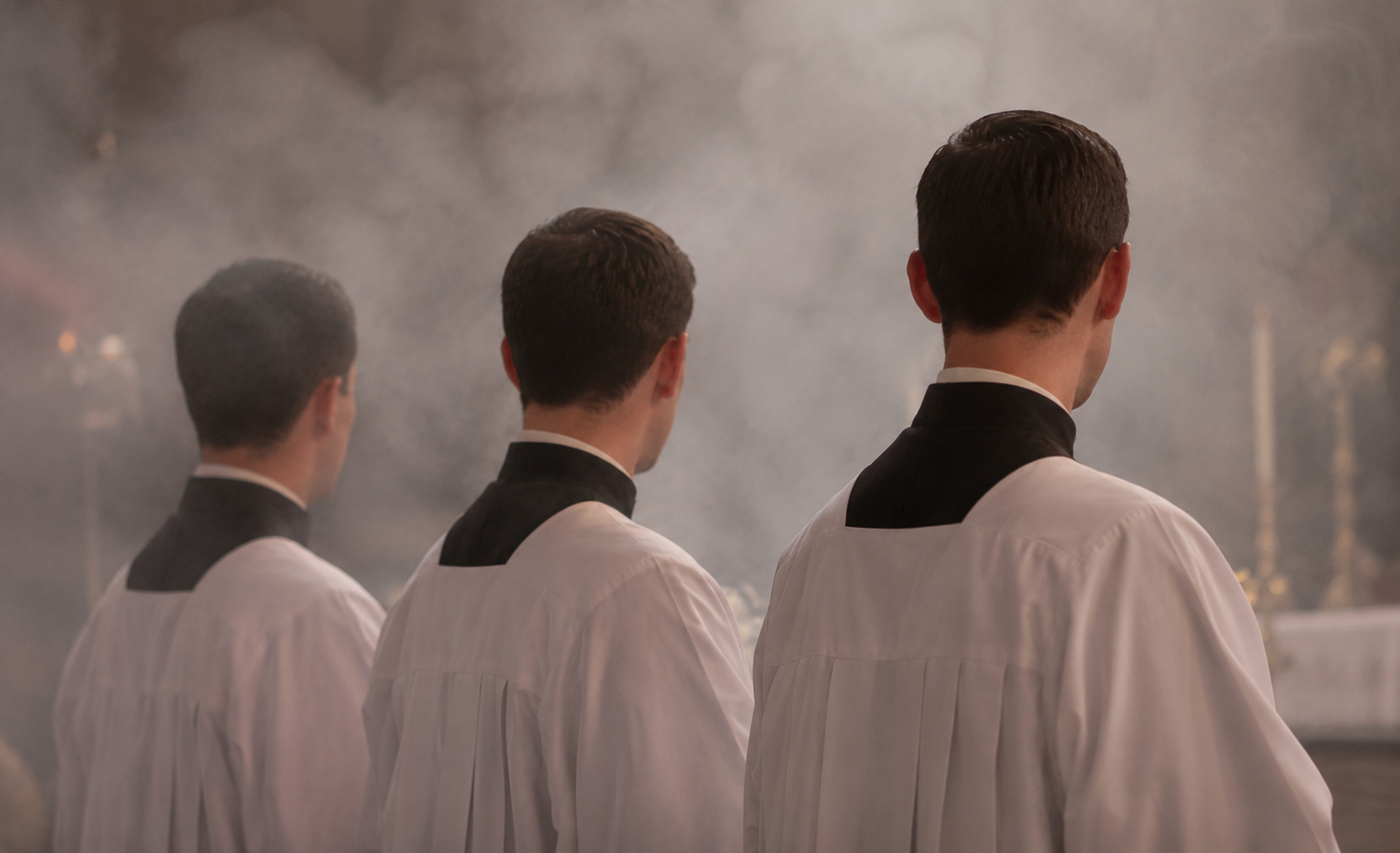
Three priests from the Diocese of Fréjus-Toulon will leave parishes in Amiens after disputes over cassocks, Latin liturgy and preaching led to divisions within local communities. Bishop Gérard Le Stang insisted the decision was not based on doctrinal or liturgical positions, but on the need to restore peace and communion The Diocese of Amiens has confirmed that three priests from the Diocese of Fréjus-Toulon will leave their parishes at the end of the current pastoral year after months of tensions within parish communities in northern France. In a communiqué issued at the end of last month, Bishop Gérard Le Stang of Amiens said Fathers François-Régis Favre, Éloi Legrand and Pierre-Marie Brochery would not remain beyond the one-year experimental agreement between the two dioceses. The priests arrived in September 2025 to serve the parishes of Notre-Dame de Brebières in Albert, Notre-Dame de l’Espérance in Bray-sur-Somme, Notre-Dame des Hauts de l’Ancre in Mailly-Maillet and Notre-Dame des Champs in Acheux. The bishop said the decision followed “a long period of reflection”, during which he consulted priests of the diocese, members of the episcopal council and parishioners holding “diverse opinions”. “I personally received these three priests throughout this year,” Bishop Le Stang said. “I was able to tell each one the objective reasons that lead me to end their ministry among us.” He thanked the priests for “their desire to serve the mission of the Church in our diocese” and praised “their concern for evangelisation, prayer, liturgy and formation”. The three priests became the focus of disputes within the parishes after introducing practices associated with more traditional expressions of Catholic life. Some parishioners objected to the wearing of cassocks, the use of Latin within the Novus Ordo Mass and preaching that emphasised doctrinal and moral teaching. One controversy centred on a refusal to permit a secular concert inside a church because of concerns about preserving the sacred character of the building. Complaints were also reportedly made about sermons addressing sin and moral decline in society. Bishop Le Stang insisted that the decision had not been taken because of the priests’ liturgical or doctrinal positions. “The decision I have made not to extend their welcome is in no way based on a certain number of criticisms directed against them,” he said, listing “wearing the cassock, Roman liturgy, concern for doctrinal and liturgical fidelity, exhortation to coherence in moral life, distinction between the cultic and the cultural”. Instead, he said it had become necessary “to acknowledge the conflict that had become established between them and a certain number of people, which was causing deep and lasting trouble in the communities, and dismay among many”. Bertrand Lejeune, communications officer for the Diocese of Amiens, told French Catholic media that the issue concerned parish relations rather than theology or liturgy. “It was a situation that seemed to have no resolution between some of the parishioners and priests, so the bishop chose not to renew their contracts in order to restore a sense of calm and peace,” he said. He added that reactions to the priests had been divided, with some parishioners welcoming their arrival enthusiastically while others regarded it as burdensome. From 1 September, the four parishes and the sanctuary of Notre-Dame de Brebières will be entrusted to Fr Louis-Pasteur Faye, vicar-general of the Diocese of Amiens and currently parish priest of Saint Simon du Molliennois. His appointment was made with the agreement of the diocesan administrator of Thiès in Senegal. In his communiqué, Bishop Le Stang instructed Fr Faye to work towards “renewed communion and fraternity among all”, encourage “the integration of all sensibilities and generations” and develop missionary initiatives connected to the Sainte Colette missionary field. He was also directed to strengthen youth and vocations ministry, continue Christian formation and ensure “the quality of liturgical and sacramental celebrations”. The bishop acknowledged that the dispute had caused pain throughout the local Church. “This pastoral situation has been painful for everyone – priests, deacon, Religious and laity,” he wrote. “I am also aware of how much it gives the feeling of a failure.” He called on parishioners to respond with “reflection, humility and prayer” and said he intended to visit the affected parishes in the coming months. The episode is likely to attract attention beyond Amiens because of the continuing scrutiny surrounding the Diocese of Fréjus-Toulon, long regarded as one of the most traditionally minded dioceses in France. Under Bishop Dominique Rey, who led the diocese from 2000 until 2025, Fréjus-Toulon became known for welcoming priests and religious communities attached to traditional liturgy, evangelisation and conservative theology at a time when many French dioceses were experiencing declining clergy numbers and falling Mass attendance. The diocese also drew concern from Rome over questions of governance, priestly formation and the rapid influx of different ecclesial communities. In 2022, the Vatican took the rare step of suspending ordinations planned for the diocese while an apostolic visitation was carried out. Bishop François Touvet was later appointed coadjutor bishop before succeeding Bishop Rey. Against that background, the arrival of the three priests in Amiens last year had been viewed by some Catholics as part of a broader effort to integrate clergy formed within more traditional pastoral environments into dioceses facing priest shortages. For now, the three priests are expected to return to Fréjus-Toulon, where Bishop Touvet will assign them to new ministries within the diocese.
May 7, 2026
Body of missing Papa Stronsay monk found
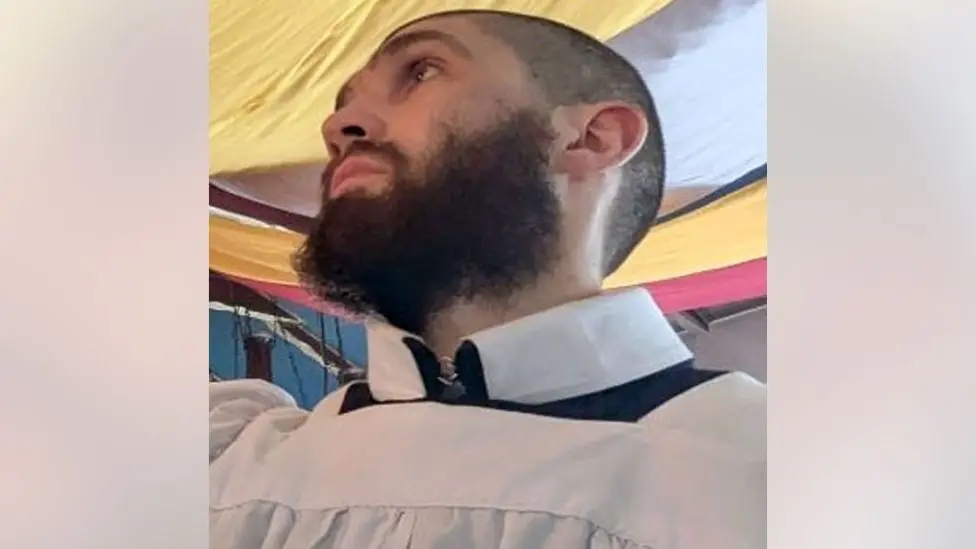
A body has been recovered from the sea near Orkney in the search for Brother Ignatius, the 24-year-old monk who disappeared from the Sons of the Most Holy Redeemer on Papa Stronsay in April. Police Scotland said formal identification has yet to take place, but his family has been informed The body of a young monk missing from Papa Stronsay’s Sons of the Most Holy Redeemer since April has been recovered from the sea near Orkney. Police Scotland said a man’s body was discovered in the water off the neighbouring island of Stronsay shortly after 7.30am on May 7. Formal identification has yet to take place, but the family of Justin Evans, 24, known in religion as Brother Ignatius, has been informed. In a statement, Police Scotland said: “The death is being treated as unexplained. Inquiries are ongoing. A report will be submitted to the procurator fiscal in due course.” Brother Ignatius, originally from New Zealand, disappeared from Golgotha Monastery on Papa Stronsay shortly before midnight on April 11. He had been living with the Sons of the Most Holy Redeemer, a traditionalist Redemptorist community based on the isolated Orkney island. The disappearance prompted a major multi-agency search operation involving Police Scotland, HM Coastguard, an RNLI lifeboat and rescue helicopter crews. The search focused on the coastline and surrounding waters amid fears that the monk had entered the sea during harsh weather conditions. Last month, the Bishop of Aberdeen, Hugh Gilbert OSB, confirmed that authorities believed the monk had “come to harm in conditions involving the sea” and announced that official search efforts had been suspended. In a statement released through the diocese regarding today’s news, Bishop Gilbert said: “The Diocese has learned with deep sadness of the disappearance and presumed death of Justin Evans, also known as Brother Ignatius, aged 24, a member of the Redemptorist Community on the island of Papa Stronsay. “It is believed that he came to harm in conditions involving the sea. The local police and coastguard services have now called off their searches. “Brother Ignatius was known for his humility and charity, and our prayers are with his community and family at this difficult time.” The monk had been with the community for around two years. Members of the monastery described his disappearance as the greatest tragedy to affect the order since its arrival on Papa Stronsay in 1999. Speaking previously to local media in Scotland, Fr Michael Mary, the superior of the community, said: “The situation is utterly tragic. We are a close community and this has hit us all very hard and is deeply hurting.” He added that Brother Ignatius came from a deeply religious family and that three of his brothers had also entered monastic life. “Two brothers lived here with him so we are living both a deep family tragedy and a huge community loss,” he said. The Sons of the Most Holy Redeemer, also known as the Transalpine Redemptorists, settled on the island after purchasing it for £200,000 more than 25 years ago. The community had previously been based on the Isle of Sheppey in Kent before relocating to Orkney in search of a more secluded monastic life centred on prayer, penance and the traditional liturgy. The community originated within the orbit of the Society of St Pius X before distancing itself from the Society in the early 2000s amid internal disputes over authority and relations with Rome. After a prolonged period in an irregular canonical position, the monks and priests were reconciled with the Holy See under Pope Emeritus Benedict XVI in 2008 and recognised as a religious institute of diocesan right under the Diocese of Aberdeen. Their return to communion was at the time viewed as a notable success in Benedict XVI’s efforts to restore unity with traditionalist groups attached to the pre-conciliar liturgy. That reconciliation has now effectively collapsed following the publication of “ The Dogma to Steer By” . The language of the community’s latest statement places it firmly within the sedevacantist milieu, going considerably further than the Society of St Pius X, which continues to recognise the legitimacy of the Roman Pontiff despite its opposition to aspects of the Second Vatican Council and subsequent reforms. The Papa Stronsay monks now openly reject the authority of “Leo XIV and his bishops” while advocating an “Imperfect General Council” to restore the Church, a position associated with more radical traditionalist currents.
May 7, 2026
Pope Leo expected to visit France in September
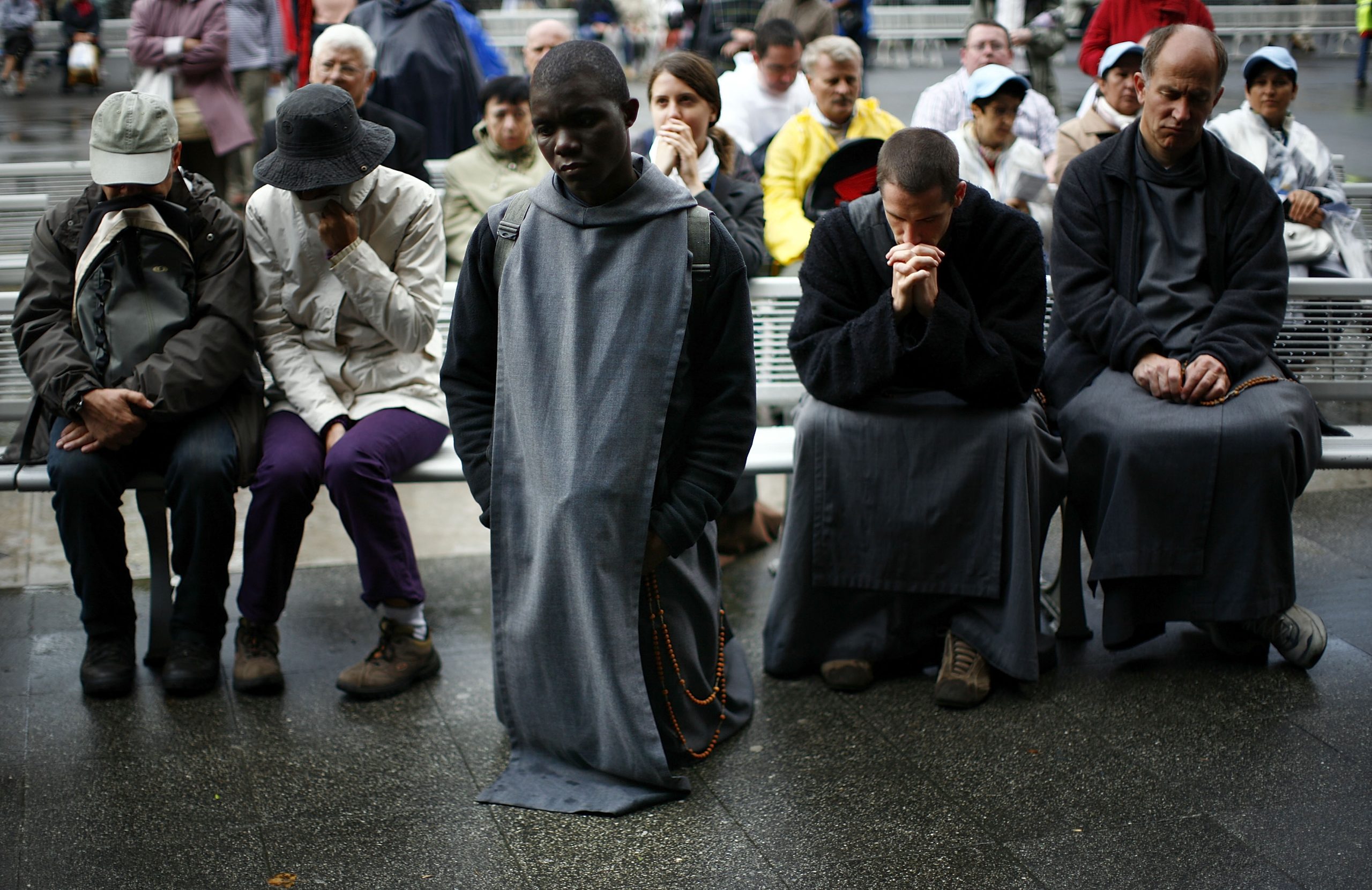
Pope Leo XIV is expected to visit France at the end of September, with Paris and Lourdes among the proposed destinations. The Vatican has yet to formally confirm the journey, which would follow the Pope’s June visit to Spain Pope Leo XIV is expected to visit France at the end of September in what would be his second visit to a European Union country outside Italy since his election last year. The proposed journey was announced by the French Bishops’ Conference on May 6, which said the Pope could travel to Paris and Lourdes, although the Vatican has yet to formally confirm the visit. The invitation was extended by Cardinal Jean-Marc Aveline, president of the bishops’ conference, in coordination with the Apostolic Nuncio, Archbishop Celestino Migliore, and was also supported by President Emmanuel Macron during a meeting with the Pope in Rome on April 10. In a statement issued by the conference, the bishops said: “The Catholic Church in France is preparing to welcome Leo XIV.” They added that, since his election one year ago, “several bishops” had invited the Pope to visit the country before Cardinal Aveline formally renewed the invitation on behalf of the episcopate. The statement said the proposed journey “could take place at the end of September” and noted that “on various occasions, Leo XIV has expressed the great esteem he holds for our country and its spiritual history”. Cardinal Aveline said he had held “several working sessions” with the Pope, including one last week, during which a draft programme was prepared. “His visit would be an opportunity to share with the Pope what our Church in France is experiencing and to let ourselves be encouraged by his words,” the cardinal said. The bishops added that the faithful were being asked “to support the preparation of this event through prayer” while awaiting the official announcement from the Holy See. The expected visit follows the publication of the programme for Pope Leo’s apostolic journey to Spain from June 6 to June 12, his first visit to the country as pontiff. During the six-day trip, he is scheduled to visit Madrid, Barcelona, Montserrat, Las Palmas de Gran Canaria and Santa Cruz de Tenerife. The itinerary includes meetings with King Felipe VI and Queen Letizia, Spain’s political authorities and the country’s bishops, along with Masses in Madrid, Barcelona and the Canary Islands. The Pope is also expected to visit migrants, prisoners, charity workers and young people during the journey. Among the principal events of the Spanish visit will be a Corpus Christi procession in Madrid, a gathering with the diocesan community at the Santiago Bernabéu Stadium and the inauguration of the Tower of Jesus Christ at Barcelona’s Basilica of the Holy Family. The Pope is also due to visit the Benedictine Abbey of Montserrat, which recently marked the millennium of the monastery’s foundation. The abbey remains closely associated with the history of Catalonia and the suffering of the Church during the Spanish Civil War, when a number of its monks were killed. France has received several papal visits in recent decades, including journeys by Pope John Paul II and Pope Benedict XVI. Pope Francis travelled to Marseille in 2023 and to Corsica in 2024, though neither was considered a full state visit to France.
May 7, 2026
Pope Leo’s Spain itinerary released ahead of June visit
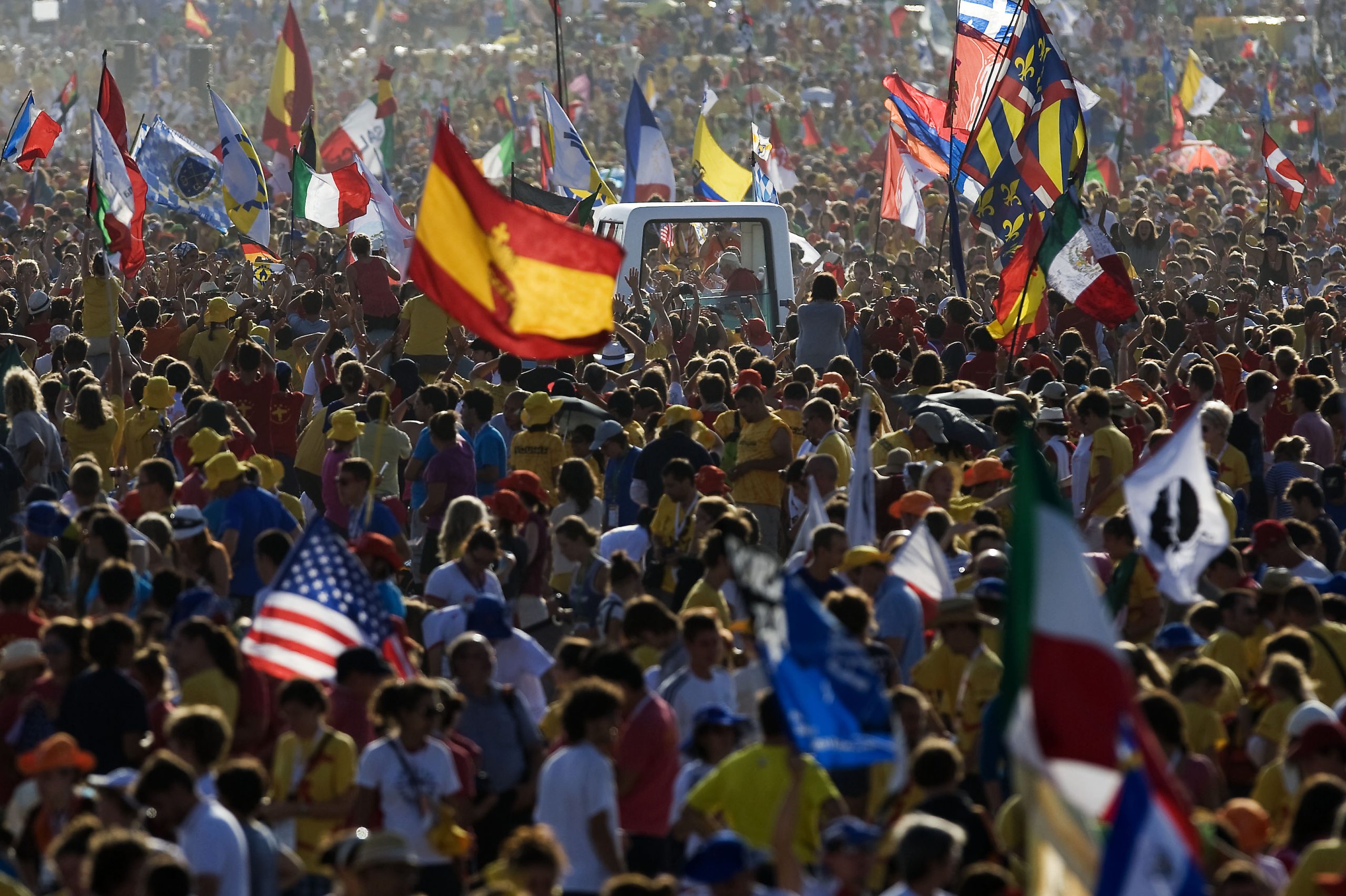
The Vatican has released the full itinerary for Pope Leo XIV’s apostolic journey to Spain from June 6 to June 12. The visit will include stops in Madrid, Barcelona, Gran Canaria and Tenerife The Holy See Press Office has released the itinerary for the anticipated apostolic journey of Pope Leo XIV to Spain, scheduled to take place from June 6 to June 12. According to the programme, the Pope will depart Rome on the morning of June 6 and arrive in Madrid at 10.30 local time, where he will be received at Adolfo Suárez Madrid-Barajas Airport before attending a welcome ceremony at the Royal Palace. He will then make a “courtesy visit to Their Majesties the King and Queen of Spain” and take part in a “meeting with authorities, civil society and the diplomatic corps”, during which he is due to deliver an address. In the evening, he is scheduled to visit the operators and those assisted by the social project “CEDIA 24 hours” before presiding at a “prayer vigil with young people in Plaza de Lima”. On June 7, the Pope will celebrate Mass in Plaza de Cibeles, followed by a Corpus Christi procession. Later that afternoon, he will meet privately with members of the Order of Saint Augustine at the Apostolic Nunciature. The day will continue with a gathering titled “Building Networks with the World of Culture, Art, Economy and Sport” at the Movistar Arena, where he is expected to speak, before concluding with a private dinner at the residence of the cardinal archbishop of Madrid. The programme for June 8 centres on meetings with political and ecclesial authorities. The Pope will meet the Prime Minister at the Apostolic Nunciature before travelling to the Congress of Deputies for a “meeting with members of the Spanish Parliament”, at which he will give an address. He will then meet the bishops of Spain at the headquarters of the Episcopal Conference. In the evening, he will take part in a “prayer and homage to the Virgin of Almudena in the Cathedral of Santa María de la Almudena”, before attending a “meeting with the diocesan community at Real Madrid FC’s Santiago Bernabéu Stadium”. On June 9, the Pope will meet the volunteers who have made the trip possible at IFEMA Madrid before departing for Barcelona. Upon arrival, he will pray the midday office at the Cathedral of the Holy Cross and Saint Eulalia and later preside at a prayer vigil at the Lluís Companys Olympic Stadium. The following day includes a visit to the “Brians 1” penitentiary centre, which, when combined with “Brians 2” on the same site, is the largest prison in Catalonia, where he will greet inmates and staff. He will then travel to Montserrat for the “prayer of the Holy Rosary at the Abbey of Our Lady of Montserrat”, an abbey which saw many of its monks murdered in the Spanish Civil War and subsequently became a symbol of Catalan nationalism. The Holy Father will have a meal with the 70 or so Benedictine monks of the abbey, who have recently celebrated 1,000 years of the monastery. Returning to Barcelona, he will meet representatives of diocesan charity and assistance organisations before celebrating Mass at the Basilica of the Holy Family, which will include the inauguration of the Tower of Jesus Christ. On June 11, the Pope will travel to Las Palmas de Gran Canaria, where he will meet organisations involved in receiving migrants at the port of Arguineguín. The Canary Islands are one of the main entry points for migrants trying to enter the EU, as the Spanish archipelago sits just off the coast of northwestern Africa and is considerably easier to access for African migrants than other parts of Europe. Later on the 11th day, the Pope will address bishops, priests, deacons, Religious and pastoral workers at the Cathedral of Saint Anne before celebrating Mass at the Gran Canaria Stadium. The final day of the visit, June 12, will see the Pope travel to Santa Cruz de Tenerife. He is scheduled to meet migrants at the “Las Raíces” centre and take part in a gathering focused on “the realities of migrant integration in the Plaza del Cristo de La Laguna”. The visit will conclude with Mass in the port of Santa Cruz de Tenerife, followed by a farewell ceremony and departure for Rome in the afternoon, with arrival at Fiumicino expected at 20.10 local time. The six-day visit is the first papal trip to the country in almost a decade and a half. Pope Emeritus Benedict XVI visited in 2011 as part of the country’s World Youth Day celebrations. However, Pope Francis did not travel to Spain during his 13-year pontificate, creating a general sense that the Catholic country is overdue a papal presence. The Spanish Episcopal Conference is organising the visit, with financing partially sourced from private donations and a 10,000-person volunteer team coordinated by the Archdiocese of Madrid.
May 6, 2026
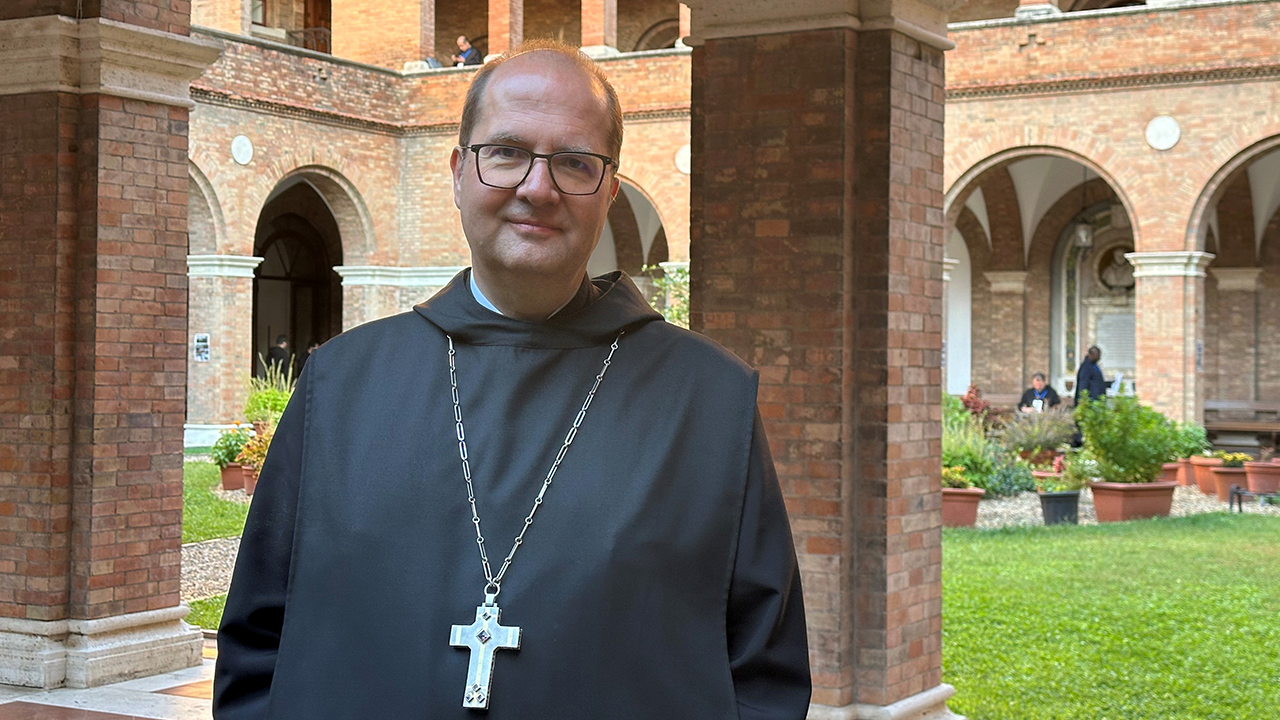
Benedictine Abbot Primate says the Latin Mass has a ‘lasting place’ in the Church
The Abbot Primate of the Benedictines has said the Traditional Latin Mass has secured a lasting place in the Church and should be permitted in some areas The Abbot Primate of the Benedictines has said that the TLM has acquired a lasting place within the Church and “should be permitted, at least in some areas”. Fr Abbot Jeremias Schröder, who has held the office since September 2024, made the remarks while reflecting on developments in monastic life at Rome’s Sant’Anselmo. He pointed to the lived experience of Benedictine communities, where the older and newer forms of the liturgy continue to exist side by side. “Among us Benedictines, traditional liturgy and modern liturgy coexist in a very harmonious way,” Abbot Schröder said. Abbot Schröder added that within the Confederation there are “about ten abbeys that celebrate according to the old rite, most of them in France”, many belonging to the Solesmes Congregation, where the majority nevertheless use the post-conciliar missal. He also referred to the group of monasteries associated with the Abbey of Fontgombault, as well as Le Barroux and its daughter houses, noting their full integration within the wider Benedictine family. Reflecting on the broader question, he said: “After Pope Benedict opened doors here, it will no longer be possible to completely eradicate the old form. We have brothers and sisters who have built their religious lives on this form of prayer and Mass. This has now also gained a place in the Church and should be permitted, at least in some areas.” His remarks came as he described monastic life as marked by contrasting trends across different regions. Some communities, he said, are in visible decline, while others have experienced unexpected renewal. “We’re dealing with two opposing movements,” he said. “On the one hand, there are indeed communities that are slowly dying out, and managing this transition well is a major challenge. And then there are others that had already been written off but are managing to recover.” He cited the case of Georgenberg Monastery in Tyrol, where a planned winding down did not take place after new members joined the community. “I was actually supposed to wind it down, so to speak, but then a few new members joined, and the community is now vibrant again,” he said. Asked whether stricter observance plays a decisive role in the survival of religious houses, he rejected a simple distinction. “I don’t know if strictness is the right distinguishing criterion,” he said, instead pointing to continuity and the internal life of communities as more significant factors. “If there are no new members for a long time, something breaks down. The quality of community life is very important. You can sense whether there are shared goals and a good sense of togetherness. Such monasteries always attract people,” he said, adding: “I am confident that this way of life will not die out.” On practical questions affecting contemporary monastic life, he said that the use of smartphones and social media is handled at the level of individual monasteries. “Each monastery decides that for itself,” he said, though he stressed that the issue must be addressed during formation. “It absolutely has to be a topic in novitiate training, and renunciation has to be practised,” Abbot Schröder said, noting that in some cases this includes handing in mobile phones during the novitiate. The extent of restrictions, he added, varies according to the character of each community, with more contemplative houses likely to adopt stricter approaches than those engaged in pastoral or educational work. He also referred to the growing use of artificial intelligence within ecclesiastical settings, particularly in multilingual contexts. “This applies especially to simultaneous interpretation at synods and assemblies,” Abbot Schröder said. “And I must say, simultaneous interpretation via AI works really well.” Abbot Jeremias Schröder joined St Ottilien Archabbey in Germany as a novice in 1984. In October 2000 he was elected archabot. In 2015, he was selected to take part at the Fourteenth Ordinary General Assembly of the Synod of Bishops as one of the elected representatives of the International Union of Superiors General. In 2024 he was elected as Abbot Primate of the Benedictine Confederation.
May 5, 2026
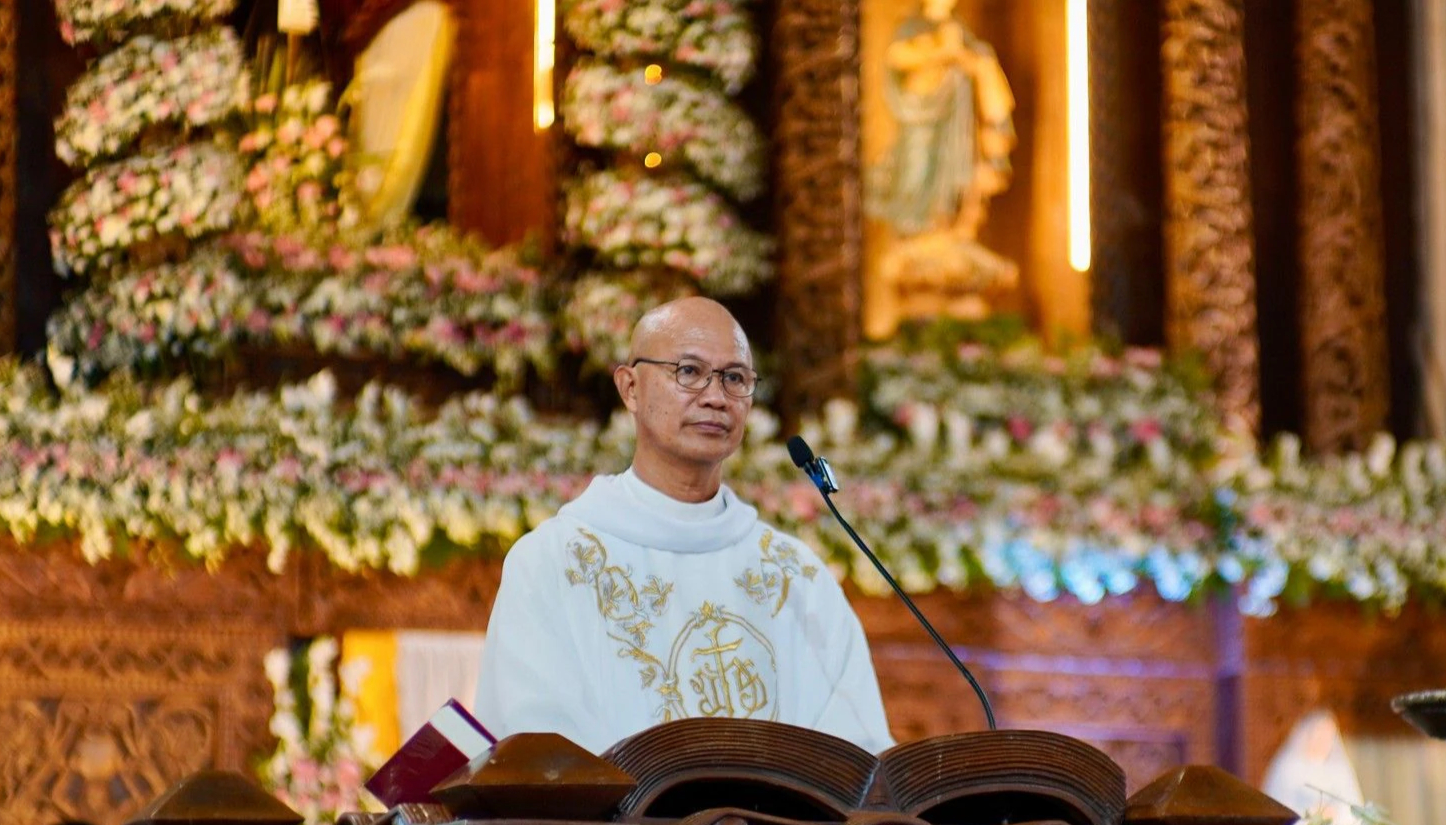
Bishop-designate of Tagbilaran withdraws weeks before ordination
In the Philippines, Father Gerardo Fortich Saco Jr. has withdrawn from his appointment as Bishop of Tagbilaran less than two months after his nomination, halting his scheduled ordination and leaving the diocese without a bishop Father Gerardo Fortich Saco Jr. has withdrawn from his appointment as Bishop of Tagbilaran, a regional diocese in the Philippines, less than two months after his nomination by the Holy See. The priest announced that he would not proceed with his episcopal ordination, which had been scheduled for May 26 at the Cathedral of Saint Joseph the Worker, bringing an abrupt halt to his succession to the see. In a statement addressed to the faithful of the diocese, Father Saco said his decision followed a period of discernment and reflection. “It comes from a deep awareness of my own human limitations and inadequacies,” he said, confirming what he described as a “change of heart” after initially accepting the appointment. He asked for understanding from clergy and laity alike, while making clear that he would continue in priestly ministry. “Please be assured of my continued commitment as a priest to journey with you in faith in the Risen Lord, who never abandons us in moments of trial and need,” he said. The Holy See announced his appointment on March 25. At the time, Father Saco was serving as diocesan administrator of Tagbilaran, a role he had held since 2025 following the transfer of the previous bishop to the Archdiocese of Cebu, the countries largest. His withdrawal leaves the diocese without a bishop, with no immediate indication of when a new appointment may be made. Father Saco, a native of Tagbilaran, was ordained to the priesthood on April 26, 1993. His priestly ministry began with parish assignments and also included time abroad. He served on missions in Libya between 2001 and 2003 and later worked as a visiting priest in a parish in New York. He later assumed wider diocesan roles, serving as episcopal vicar for the laity from 2015 to 2021 and subsequently taking on senior administrative responsibilities. He was appointed vicar general in 2023 before becoming diocesan administrator. Withdrawals from episcopal appointments after their announcement remain uncommon, particularly so close to the date set for ordination. In such cases, the reasons are not always made public, and the process returns to the Holy See for consideration of a new candidate.
May 5, 2026