

Latest
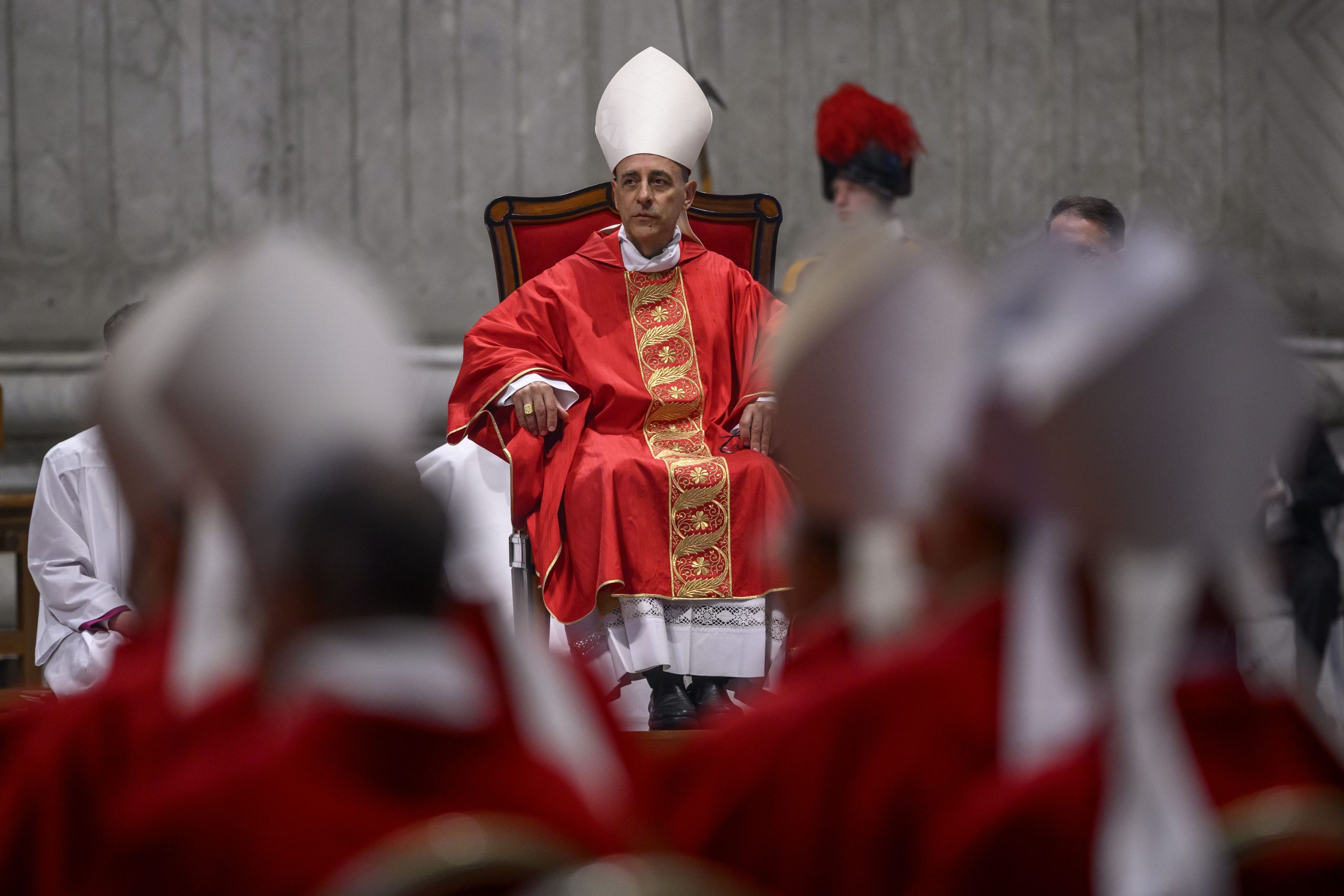
Cardinal Fernández criticises Vatican’s 2006 censure of liberation theologian Fr Jon Sobrino
Cardinal Víctor Manuel Fernández has criticised a 2006 Vatican doctrinal notification against liberation theologian Fr Jon Sobrino, arguing it risked portraying theology rooted in “the context of the poor” as “inadequate and dangerous”. Speaking in Rome, the DDF prefect also revealed his own defence of “contextual theology” once caused difficulties with the doctrinal dicastery Cardinal Víctor Manuel Fernández has criticised a 2006 Vatican doctrinal notification against the Jesuit theologian Fr Jon Sobrino. Speaking at the Pontifical Urban University in Rome on 12 May, the prefect of the Dicastery for the Doctrine of the Faith said the notification, issued by the then Congregation for the Doctrine of the Faith under Cardinal William Levada, appeared to suggest that “theology made in the context of the poor is inadequate and dangerous”. The Argentine cardinal made the remarks during the opening address of a study day titled “Milestones in Contextual Theology Today”, in which he spoke at length on theological development, inculturation and the influence of Pope Francis on contemporary Catholic thought. The 2006 notification, approved by Pope Benedict XVI, examined two works by the Spanish Jesuit Fr Jon Sobrino, a leading figure in liberation theology. The congregation concluded the books contained “notable discrepancies with the faith of the Church”, particularly in relation to Christology, the divinity of Christ and the methodological foundations of theological reflection. In the document, the congregation objected to Fr Sobrino’s assertion that “the poor” constitute a privileged theological locus in Latin American theology. It argued instead “the ecclesial foundation of Christology may not be identified with ‘the Church of the poor’, but is found rather in the apostolic faith transmitted through the Church for all generations”. Cardinal Fernández directly addressed those criticisms in his lecture, recalling that many Latin American theologians had struggled to understand parts of the notification. “One of the strong points of Latin American theology is the importance of taking the historical context into account in theological reflection,” he said. “The problem with this document is that it applies the expression ‘from’ only to ecclesial tradition, in such a way that expressions such as ‘thinking from pastoral experience’, ‘thinking from motherhood’, or ‘thinking from the suffering of the poor’ are excluded.” He added: “What we call ‘contextual theology’ would always be viewed with suspicion.” The cardinal argued the notification did not sufficiently encourage theologians to engage with the social realities surrounding them. “This does not encourage the effort to take seriously the context in which theological reflection takes place,” he said. “It seems to indicate rather that theology made in the context of the poor is inadequate and dangerous, that is, that the life of the poor may occupy only a marginal place in the reflection of faith.” Cardinal Fernández also revealed his own defence of contextual theology caused difficulties with the doctrinal dicastery more than a decade ago. He recalled publishing an article in 2007, shortly before the Latin American bishops’ conference at Aparecida, in which he argued although the faith of the Church remained the “fundamental point of departure”, this did not exclude “other complementary points of departure” linked to concrete historical situations. The article resurfaced in 2010 when the Argentine episcopate proposed him as rector of the Pontifical Catholic University of Argentina. According to Cardinal Fernández, the doctrinal congregation delayed granting the required nihil obstat after concerns were raised over the text. “There was at that time an exchange of letters with the dicastery, which forced me to publish a new article in which I would have to retract my affirmations,” His Eminence said. Instead, he published a second article in 2011 in which he restated his earlier arguments while stressing “it is precisely the faith of the Church that provides the most solid and profound foundations to look at the poor as God looks at them”. He also maintained fidelity to tradition alone could leave Christians indifferent to the circumstances in which people suffer. “The simple fact of accepting the tradition of the Church can leave us indifferent to the history into which God has inserted us, if at the same time we do not have our eyes open to what is happening around us,” he said. Cardinal Fernández linked those ideas closely to the pontificate of Pope Francis, saying the late pope had consistently insisted reality is better understood from the peripheries and through the experience of the poor. Cardinal Fernández quoted from Francis’s 2013 apostolic exhortation Evangelii Gaudium, in which the pope warned against abstract thinking detached from lived reality. “The idea disconnected from reality gives rise to ineffective idealisms and nominalisms,” the passage states. “What engages people is reality illuminated by reason.” The lecture also explored the relationship between contextual theology and inculturation, which Cardinal Fernández described as interconnected but distinct processes. Inculturation, he said, involves the long-term embedding of the Gospel within a culture, while contextual theology responds more immediately to particular historical events and social circumstances. Drawing on the documents of the Second Vatican Council, he argued theological reflection develops more fully when it engages with the experiences and cultures of different peoples. He cited the decree Ad Gentes, which called for theological research to re-examine revealed truths within differing socio-cultural settings, and said such engagement allows aspects of revelation to emerge may otherwise remain unnoticed. Cardinal Fernández also referred to the thought of Pope Benedict XVI and Pope John Paul II in support of his argument. He quoted Benedict XVI’s encyclical Deus Caritas Est: “Closing our eyes to our neighbour also blinds us to God.” He also cited John Paul II’s Novo Millennio Ineunte, in which the Polish pope wrote that Christ must be recognised especially in the faces of those with whom He identified Himself. The cardinal further argued that the Congregation for the Doctrine of the Faith itself had previously recognised the value of contextual theology. He pointed to the 1986 instruction Libertatis Conscientia, issued under Cardinal Joseph Ratzinger, which stated that theological reflection developed “starting from a particular experience” could make a “very positive contribution” by highlighting dimensions of the Word of God not previously perceived in full. Although Cardinal Fernández criticised aspects of the 2006 notification, he did not reject the authority of Church doctrine or dogmatic formulations. Instead, he repeatedly insisted that contextual theology must remain linked to revelation and the faith of the Church. “The faith of the Church is certainly the fundamental point of departure, the principal theological locus,” he said, while arguing that historical and social realities also shape how revelation is understood and expressed. The original notification on Fr Sobrino emerged during a period of heightened Vatican scrutiny of liberation theology in Latin America. While the movement’s concern for the poor was frequently praised by Rome, Church authorities also warned against interpretations influenced by Marxist analysis or approaches thought to weaken orthodox teaching on Christ and salvation. Fr Sobrino, who taught for many years in El Salvador and was closely associated with the murdered Archbishop St Óscar Romero, became one of liberation theology’s most prominent theologians.
May 23, 2026
Germany’s bishops continue to push for women deacons
Germany’s bishops are continuing to press Rome on women deacons. Bishop Franz Jung has said that Pope Leo XIV received a “very clear vote in favour” from the country’s episcopal conference following the Katholikentag gathering in Würzburg The German bishops have renewed pressure on Rome to permit women to be ordained as deacons, with Bishop Franz Jung of Würzburg declaring that the country’s episcopal conference had given Pope Leo XIV a “very clear vote in favour of the female diaconate”. Speaking after the conclusion of the Katholikentag in Würzburg, one of Germany’s largest gatherings of Catholic laity and clergy, Bishop Jung said the question of women deacons remained firmly on the agenda of the Church and would not disappear “any time soon”. “We, as the German Bishops’ Conference, have done everything we can,” he told Mainpost.de. “We have very clearly expressed our support in Rome for the diaconate of women. Now it is up to him how things proceed.” The issue of women deacons has become one of the defining fault lines within the global Church in recent years, particularly since the launch of Germany’s Synodal Way in 2019 where German bishops and lay delegates repeatedly backed calls for expanded roles for women, including access to ordained ministries. Pope Francis established two commissions during his pontificate to study the historical question of female deacons in the early Church, but neither resulted in any definitive change. Shortly before his death, Francis authorised the publication of findings from a Vatican study group examining the subject further, although no conclusions were reached on whether women could sacramentally receive the diaconate. Bishop Jung suggested that the election of Pope Leo XIV had not diminished expectations among German bishops that movement might eventually come from Rome. “The issue is on the agenda,” he said, adding that the bishops were now “eager to see what happens”. His intervention came after a Katholikentag heavily focused on questions of Church reform, political engagement and the role of Catholics in German public life. Held under the slogan “Have courage, stand up!”, the gathering drew senior politicians, clergy and lay activists for five days of debates, liturgies and public events across Würzburg. Jung described the event as a success, praising what he called the “joie de vivre and festive spirit” of participants. He said the motto had resonated strongly because it connected with “personal, religious and socio-political” concerns at a time of growing division in society. The event came under criticism after a video of the event appeared to show a woman holding a chalice and reciting the words of consecration while a priest stood behind her. The bishop also defended the organisers’ decision not to invite representatives of the Alternative für Deutschland party, saying the AfD’s “view of humanity does not correspond to the Christian one”. He also pointed to what he described as the party’s “explicitly anti-church stance”. However, the event included other groups and speakers from outside the Church’s traditional structures. The exclusion of the AfD continued the increasingly overt political tone adopted by sections of the German Church hierarchy in recent years, particularly on migration, nationalism and climate policy. Critics, however, argue that Church events have become excessively politicised and risk alienating ordinary Catholics concerned primarily with faith and worship. Bishop Jung rejected those criticisms, insisting that the Katholikentag maintained a balance between political discussion and spiritual life. “Many people come to the Catholic Congress to recharge their spirits and pray together in a large community,” he said, adding that spiritual events during the gathering had been filled to capacity. Among the highlights of the event, he said, was a discussion with former Green Party leader Ricarda Lang on the conference theme of courage and public witness. He also praised a youth prayer service featuring praise, worship and testimonies of faith, saying the enthusiasm of young Catholics had renewed his energy after an exhausting week. The debate surrounding women deacons nevertheless overshadowed much of the wider discussion, continuing the tensions between the German Church and Rome over the direction of reform. The Vatican has consistently distinguished the question of women deacons from the priesthood, but senior cardinals and theologians remain divided over whether historical evidence supports the existence of sacramental female deacons in the early Church. Germany’s bishops have emerged as some of the strongest advocates for change. During sessions of the Synodal Way, delegates repeatedly approved texts calling for women to be admitted to ordained ministries, same-sex blessings and revisions to Catholic teaching on sexuality. The Vatican responded on several occasions with unusually direct interventions. In 2022, the Holy See warned that the Synodal Way had “no authority” to oblige bishops and faithful to adopt new forms of governance or doctrine. A year later, senior German bishops were summoned to Rome for talks over mounting concern about the trajectory of reforms. Yet despite those warnings, bishops such as Jung continue to present the female diaconate as unfinished business within the universal Church. Asked whether he expected Pope Leo XIV to visit Germany in the near future, Jung said he could not say, but added that Würzburg would “certainly roll out the red carpet for him” should such a visit take place.
May 22, 2026
SSPX superior: consecrations ‘even more necessary in 2026’
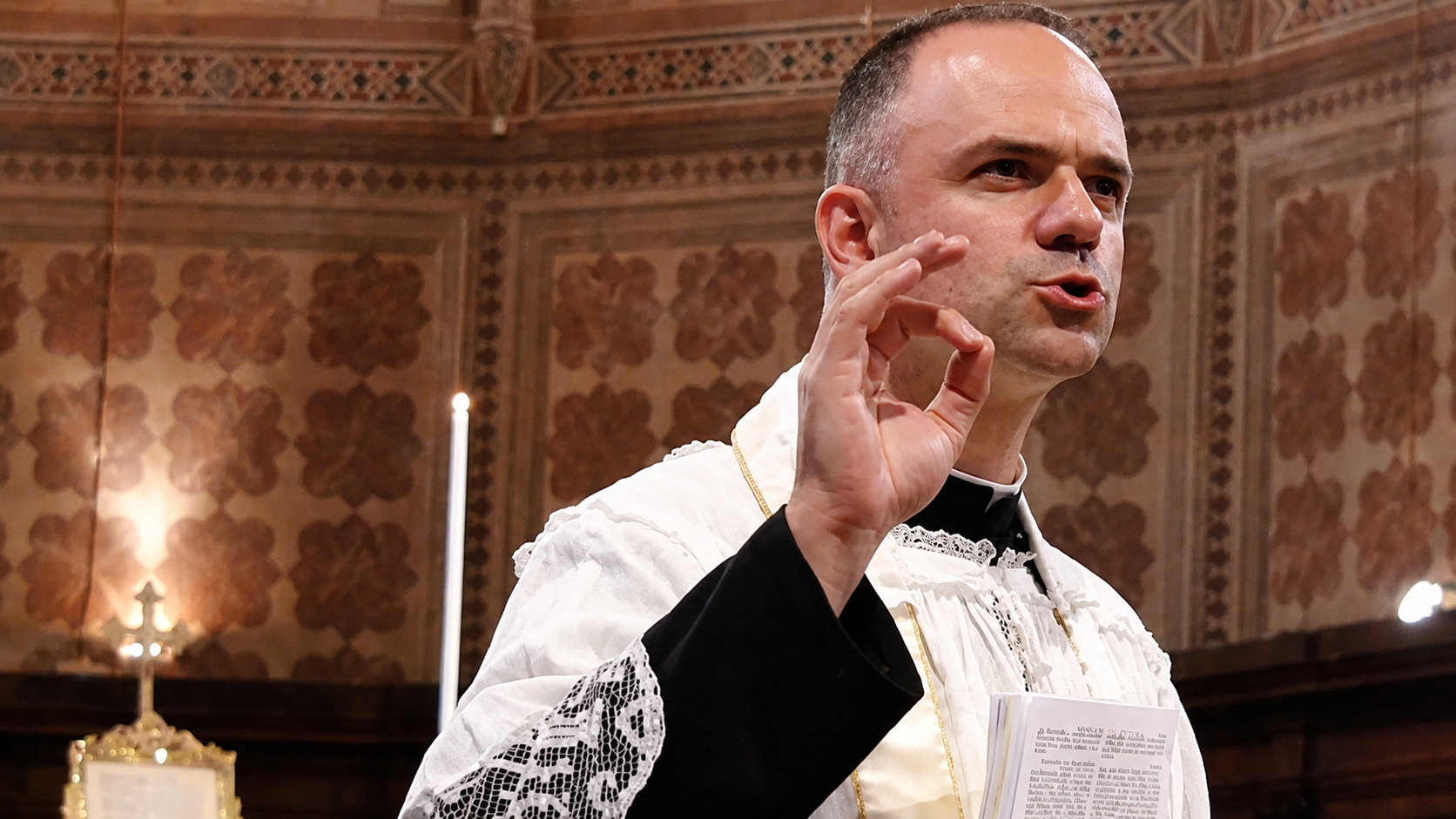
SSPX superior: consecrations ‘even more necessary in 2026’ The Society of St Pius X has defended its decision to proceed with episcopal consecrations this summer, with its Superior General warning that any declaration of excommunication or schism against the Society “would be objectively unjust”. In a letter addressed to SSPX priests ahead of the consecrations due to take place at Écône on 1 July, Fr Davide Pagliarani said the “state of necessity” invoked by Archbishop Marcel Lefebvre in 1988 was “even more evident in 2026”. “While the state of necessity could already be invoked in 1988, this state of necessity is, unfortunately, even more evident in 2026,” he wrote. The text, dated 7 March and released publicly by the Society on 21 May, was accompanied by an introduction from the SSPX Secretary General, Fr Foucauld le Roux, who said the purpose of publishing the letter was to help clergy and faithful prepare spiritually for the ceremony. “This text does not revisit the question of the consecrations themselves, but is devoted to recalling the spirit in which they must be prepared for and lived,” Fr le Roux wrote. The publication of the letter comes four months after the SSPX announced that bishops would again be consecrated at its seminary in Switzerland, the site of Archbishop Lefebvre’s consecrations in June 1988. Those consecrations, carried out without papal mandate, led Rome to declare that Archbishop Lefebvre, Bishop Antonio de Castro Mayer and the four newly consecrated bishops had incurred automatic excommunication. Although the excommunications of the surviving bishops were lifted by Pope Benedict XVI in 2009, the Society remains canonically irregular and without official status in the Church. In his latest letter, Fr Pagliarani repeatedly insisted that the SSPX was acting out of fidelity to the Catholic Church rather than separation from it. “The Society is nothing more than a means of remaining faithful to the Church,” he wrote. “If we are taking exceptional measures today to preserve the faith, the Holy Sacrifice of the Mass, and the priesthood, it is because we want the whole Catholic Church – and every soul without distinction – to be able to benefit freely from them one day. All this belongs to the Church, and we are only its guardians.” Fr Pagliarani also directly addressed the prospect of fresh sanctions from Rome, stating that the Society neither desired nor celebrated such a development. “If we come to be declared excommunicated and schismatic, this would not mean that we seek such a sanction or rejoice in it, for it would be objectively unjust,” he wrote. Furthermore, Fr Pagliarani wrote: “It is one thing to rejoice in receiving a new humiliation to offer to God, and it is quite another to rejoice in an evil and an objective injustice that causes scandal to the whole Church.” The SSPX superior urged members to avoid bitterness and resentment during the controversy surrounding the consecrations, warning against triumphalism and hostility towards Church authorities. “We must always show kindness,” he wrote. “When there is no understanding on the other side, when there is not even a willingness to listen to what we have to say and understand our reasons, it is very easy – humanly speaking – to fall into resentment.” He added that members should remain “firm and gentle at the same time”, “especially towards the hierarchy of the Catholic Church”. The letter contains repeated references to charity and suffering, including a lengthy citation from St John’s Gospel. “It is with this same charity that, now more than ever, we must love souls and Holy Mother Church, even if its official representatives were to declare us excommunicated and schismatic once again,” Fr Pagliarani wrote, before quoting John 16:1-4: “They will put you out of the synagogues: yea, the hour cometh, that whosoever killeth you, will think that he doth a service to God.” Fr Pagliarani also rejected accusations that the SSPX had become a “parallel Church”, arguing instead that the Society existed to safeguard Catholic tradition until it could once again flourish throughout the wider Church. “We ask nothing for ourselves,” he wrote. “Our only reward will be to see one day Holy Mother Church reclaim her Traditions.” The Superior General described the debate surrounding the consecrations as “providential”, saying the issue had provoked concern throughout the Catholic Church. “The announcement on 2 February left no one in the Catholic Church indifferent,” he wrote. “Almost everyone feels concern and the need to express their approval or disapproval.” He added: “Sometimes words, opinions, and simple statements are no longer enough. They must be accompanied by meaningful actions that Divine Providence can use to shake consciences – and even the Church herself.” Fr Pagliarani concluded his letter by urging members and faithful to prepare for the consecrations through prayer and devotion to the Blessed Virgin Mary. “It is with these sentiments and this charity that we must prepare for the ceremony on 1 July,” he wrote, “and strive to prepare all the faithful under our care.” The tensions between the Vatican and the SSPX stem from the Second Vatican Council. Relations improved significantly during the pontificate of Pope Benedict XVI, who lifted the excommunications of the SSPX bishops and expanded permission for the celebration of the Traditional Latin Mass through Summorum Pontificum in 2007. Under Pope Francis, however, tensions between Rome and traditionalist groups deepened following the publication of Traditionis Custodes in 2021, which imposed major restrictions on the old rite of Mass. Despite those disputes, Pope Francis granted SSPX priests faculties to hear confessions during the Jubilee Year of Mercy before extending them indefinitely, while also allowing local bishops to delegate SSPX priests to witness marriages. Image credit: SSPX
May 22, 2026
Three monks flee Papa Stronsay monastery
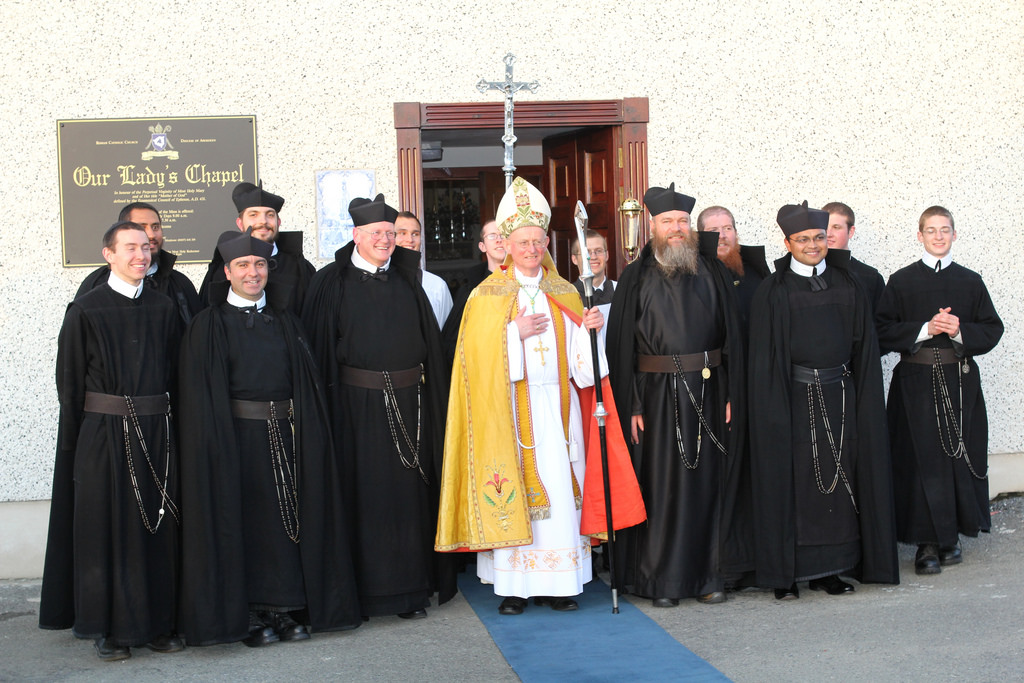
Three monks secretly left the Transalpine Redemptorists’ monastery on Papa Stronsay by boat after allegedly arranging their departure with the Diocese of Aberdeen without informing superiors Three monks of the Transalpine Redemptorists have left the order’s monastery on the island of Papa Stronsay after secretly arranging their departure from the remote Orkney community. The Press and Journal reported on 20 May that two priests and a subdeacon coordinated their exit with Bishop Hugh Gilbert of Aberdeen and left the island by boat without informing their superiors. The arrangement was allegedly discovered only on the day of their departure after the use of a monastery laptop came to light. The three men are understood to have left Papa Stronsay quietly and are now believed to be staying at an undisclosed location under the care of the Diocese of Aberdeen. Fr Anthony Mary, the superior of the community, criticised the manner of the departure and said the remaining members had been left without any explanation. “They tried to leave quietly, but it came to light on the very day they intended to go,” he said. “One of the fathers discovered it after they used a laptop without permission.” Describing the departure itself, Fr Anthony said the men had left without speaking to their superiors or fellow members. “They left on the evening boat, and we have heard nothing since – no word, no explanation, nothing,” he said. “It is as though we never existed.” The priest also alleged that Bishop Gilbert had “worked against us” and said repeated attempts to contact both the bishop and the departing clerics had produced no personal response. “I wrote to the bishop three times and to the priests four or five times,” he said. “There has been no reply to me personally. Recently, the bishop said he would respond at some stage. But trying to live as a good Catholic and follow the faith has become very difficult.” The congregation recently published a document rejecting the legitimacy of every pope since Pope Paul VI. The document, entitled The Dogma to Steer By , described Pope Leo XIV as a “pretender”, called for his replacement and declared the group’s intention to withdraw cooperation with the Vatican, which it accused of having been overtaken by “modernist enemies”. The document is interesting because it does not follow the usual norms of sedevacantism, where adherents normally reject the papacies since Pius XII or, on occasion, since Pius X. The monks, however, appear to accept John XXIII as a legitimate pope while rejecting the “papal pretenders Paul VI, John Paul II, Benedict XVI, Francis, and Leo XIV”, who, according to the text, “have engaged in actions embodying indifferentism”. The text also claims that the “Church has been infiltrated by enemies from at least the time of Pope Gregory XVI”, but that it is only since the Second Vatican Council that popes have “caused a spiritual catastrophe of the greatest imaginable proportions”. The monks also say that they are working and praying for an “Imperfect General Council”, in which “all the Catholic bishops of the world who have kept the true Faith” will “pronounce on the status of the present claimants to the papacy and restore order to the Church”. They continue that, until that day comes, which they acknowledge may still be some time away, they will seek to be “guided by the Magisterium of the holy Popes who have always taught the one true Faith in its integrity and purity”. Following publication of the text, Fr Michael Mary, founder of the Transalpine Redemptorists, reportedly came under investigation by Rome. Speaking separately, Fr Michael said the three men had left because of “theological differences” and had opposed the direction taken by the community. “We’ve lost three priests – two priests and a subdeacon – who have really not been in agreement from the beginning,” he said. “They hung on for quite a while, not wanting to abandon their vocations, but what we’ve come to now has been the last straw.” He added that the departing members had ultimately concluded they could no longer remain. “They were unable in their consciences to go along with us. So, they left us,” he said. The departures took place only weeks after the disappearance of Brother Justin Evans, 25, a member of the community who was reported “lost to the sea” on 11 April. Although a body was later recovered, it has not yet been positively identified. The Transalpine Redemptorists were founded in 1988 and were initially closely associated with the Society of St Pius X. Following Pope Benedict XVI’s lifting of the SSPX excommunications in 2009, the community entered into closer relations with Rome and was later recognised as a religious institute under the authority of the Diocese of Aberdeen.
May 22, 2026
Schneider, Murray and SSPX accuse Vatican of ‘complicity’ in promoting LGBT ideology
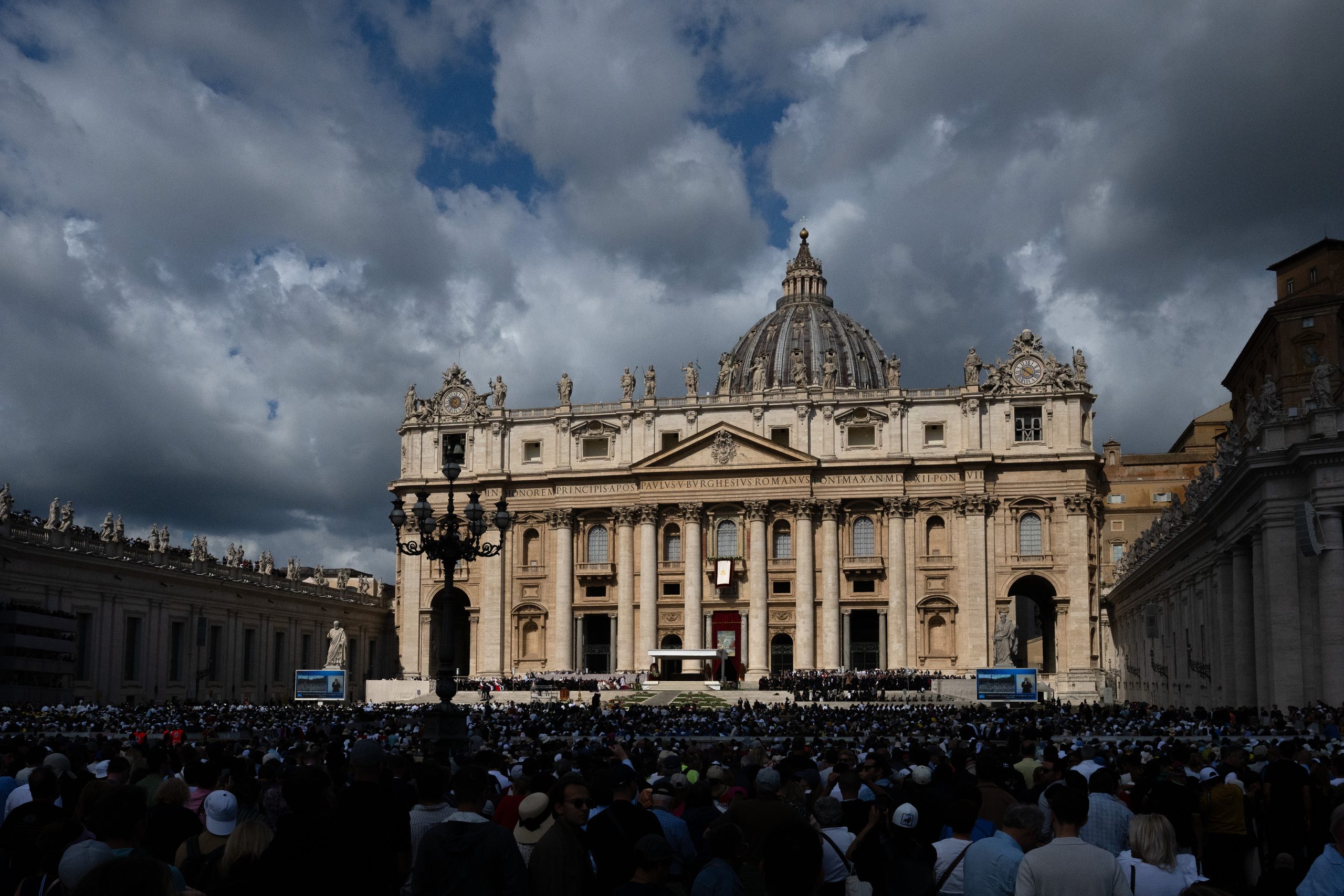
Bishop Athanasius Schneider, Fr Gerald Murray and the Society of Saint Pius X have accused the Vatican of being “complicit” in promoting homosexuality after the publication of the Synod Study Group 9 report The publication of Synod Study Group 9’s report has become a crisis and controversy that the Vatican cannot ignore, although such appears to be its current policy. Mounting criticism of the report – released by Study Group 9, born out of the Synod on Synodality – has already included cardinals such as Müller and Eijk, numerous priests and veteran commentators. Such rebuke has largely centred on the message contained within the report, which presented an unfiltered promotion of homosexual ideology and lifestyles whilst remaining notably quiet about Catholic teaching on the matter. But now attention is turning elsewhere as clerics accuse the Vatican of being complicit in promoting homosexuality by virtue of allowing the report to be published, and by the Vatican’s near silence in the face of the scandal. Speaking recently to Raymond Arroyo, Bishop Athanasius Schneider described the report as “a propaganda text, which very carefully and cunningly uses certain traditional documents or biblical expressions, but which fundamentally aims to promote the acceptance of homosexual ideology.” Such themes within the Study Group report are by no means surprising given that the group itself comprises a number of LGBT advocates, and Fr James Martin SJ was revealed to have had key influence in drafting it. But Schneider warned that the Holy See is far from being innocent. It was “issued by an organ of the Holy See,” he noted, and thus many Catholics will be led to believe that it is Church teaching. “The majority of ordinary Catholics are unaware of the distinctions between a magisterial text, a Vatican text, and a study group in the Vatican.” Therefore, he warned, “the message given to the entire world and to Catholics is that, from now on, the Holy See is basically accepting, de facto, same-sex relationships, same-sex activity and the so-called LGBTQ agenda, which is an un-Christian worldly ideology.” The General Secretariat of the Synod of Bishops has indeed sought to distance itself from the text, stating that “these reports cannot be attributed” to them, and that the group “worked, as is logical, autonomously.” However, for the auxiliary bishop – who has personally conveyed his concerns about the Church’s doctrinal crisis to Pope Leo XIV – such a response is lacking. “It’s not convincing at all,” he stated. “It is [the study group report] officially under a Vatican dicastery or organ called the Synod Secretariat, which has officially published [the text], though of course as a study group.” For the Synod Secretariat to assign responsibility to the Study Group is “a trickery to close our eyes,” opined Schneider, “and then to transmit, and be a propaganda platform for this homosexual ideology – to infect ever more the Catholic Church through the acceptance of this style of life.” The auxiliary of Astana, Kazakhstan, is known for being outspoken in his ecclesial commentaries. But he is not alone in his thoughts on this point. Prominent canon lawyer and New York cleric Fr Gerald Murray also accused the Vatican of being at fault. Writing a commentary in The Catholic Thing , Murray attested that the Synod Secretariat “has become the Holy See’s officially sponsored agent of destruction of Catholic doctrine, which is disparaged and dismissed as being deductive principles set forth in an immutable and rigid manner – sterile, regressive and ossified statements, as being ‘pre-packaged’ doctrines, which are merely abstractions and theories.” Murray, like Schneider, is a cleric in good standing with the Church and walks a fine line between highlighting doctrinal crises and moral relativism while also promoting loyalty to the See of Peter, in contrast to those tempted to argue that the See is vacant. His commentary is unabashed when law, morals or doctrine are at stake. “Why would the Synod of Bishops publish interviews with men who reject Catholic teaching on the nature of marriage, inspired as it is by the Holy Spirit, as part of its effort to discern the workings of the Holy Spirit in the Church today?” he queried. “This Vatican-sponsored destructive subversion must come to an end now,” wrote Murray. “Souls are endangered by the scandalous false teachings being propagated by the Synod. Pope Leo needs to strengthen the brethren in the Faith by putting an end to this poisonous betrayal of God’s truth.” The Vatican’s response appears to be limited simply to the perfunctory hand-washing attempt by the Synod Secretariat, who are doubtless relying on the natural continuation of the news cycle and the lack of attention given by many Catholics to the details. Yet for the Society of St Pius X, turning a blind eye to such events is not an option. The state of emergency within the Church is worse now than in 1988, the SSPX’s superior general has repeatedly stated during the spring. Outlining the Holy See’s “complicity” with the LGBT lobby – as reportedly evidenced by Fiducia Supplicans and the conciliatory approach to the German bishops – the Society pointed to the Study Group report as the final piece of the puzzle. Fiducia Supplicans destroyed the Holy See’s ability to clamp down on LGBT promotion, the Society argued, whilst simultaneously “faith and moral conviction are deserting the Curia”. “If anyone doubts this, let them read the report of Study Group No. 9, which aligns with the Synodal Path and its conclusions on the LGBT issue,” the Society’s official news portal argued. “While we wait for the ‘dialogue’ to produce ‘consensus’ between Rome and the German Catholic Church, the problem is spreading among German Catholics and beginning to cross borders, with the blessing of the Curia. Under these circumstances, we must speak of complicity.”
May 22, 2026
Spain’s religious orders turn to professional investment managers
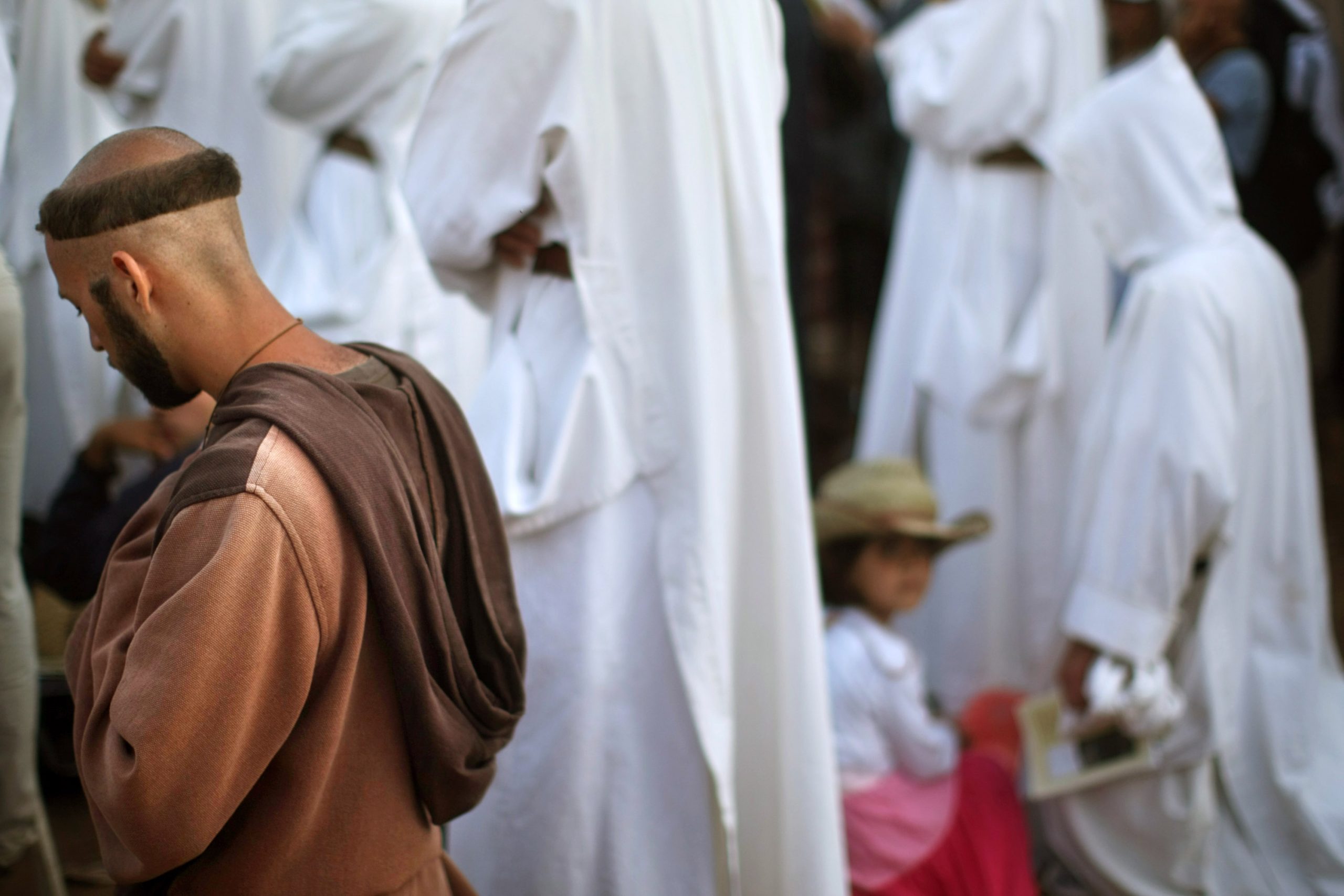
Religious orders and dioceses across Spain are increasingly turning to professional investment managers and ethically screened funds as ageing communities, falling vocations and rising maintenance costs force Catholic institutions to modernise their finances Spain’s religious orders are increasingly turning to professional investment managers and ethical funds as declining vocations, ageing communities and rising maintenance costs force Catholic institutions to modernise the way they manage their finances. According to Bloomberg News, the change was evident during a seminar held at the Theological Institute of Religious Life in Madrid, where members of religious congregations met bankers and financial advisers to discuss investment strategies, artificial intelligence and the economic uncertainty caused by Donald Trump’s second term in the White House. The gathering is indicative of a shift taking place across the Spanish Church, which has traditionally relied on donations, rental income and a system allowing taxpayers to allocate 0.7 per cent of their income tax to the Catholic Church. But falling numbers in religious life and growing financial pressures have led many dioceses and congregations to professionalise the management of their assets. Figures published by the Spanish bishops’ conference show the number of men and women in religious orders in Spain fell by around 45 per cent between 2014 and 2024. The number of priests has also continued to decline during the same period, though recent years have seen a small increase in the number of seminarians. Many religious communities possess valuable property portfolios, including schools, hospitals, convents and apartments in major cities, but these assets have not always been managed with profitability in mind. Guillermo Vanrell, head of finance and administration for a diocese in eastern Spain, said he was struck by the outdated state of Church administration when he first entered the role more than a decade ago. “I hadn’t seen an Olivetti typewriter since I was a kid,” he said, recalling how receipts were still being produced manually. He said diocesan investments had been concentrated in fixed-term deposits and banking products with little long-term strategy behind them. Since then, he has worked to modernise accounting systems and restructure investments while monitoring financial markets more closely. The scale of Church assets can vary widely between religious institutions. Smaller congregations often struggle with limited resources, while larger orders may oversee international portfolios worth hundreds of millions of euros. Many institutions must also navigate both civil and canon law obligations, particularly where schools, hospitals and heritage properties are concerned. The growing complexity of Church finances led CaixaBank and the Universidad Pontificia Comillas in Madrid to establish Spain’s first postgraduate programme dedicated to the administration of ecclesiastical property and religious institutions. Some congregations have been forced to make difficult decisions about properties they can no longer afford to maintain. The owners of Hospital La Milagrosa in Madrid sought outside advice when the cost of modernising the hospital became unsustainable. The religious order eventually reached an agreement with the Vithas Group, which now manages the hospital and has pledged to invest €30 million in renovations, while the congregation retained ownership of the property itself. As Church institutions become more active investors, Vatican guidance has increasingly shaped how Catholic organisations approach financial markets. In 2022 the Pontifical Academy of Social Sciences published Mensuram Bonam , a document setting out “faith-consistent investing” guidelines for Catholic institutions following a series of financial scandals linked to Vatican finances. The document warned against investments in industries connected to weapons, pornography, contraception and addictive products while encouraging support for businesses linked to sustainability, human dignity and social responsibility. María Canel, who oversees the finances of the Religiosas de la Pureza de María near Barcelona, said there had once been “a fear of investing”, but that attitude had changed significantly. She recalled rejecting a fund after discovering that it included investments linked to the arms industry despite assurances that it complied with Catholic social teaching. The demand for ethically screened investments has contributed to the growth of explicitly Catholic funds in Spain. According to financial advisers, around a dozen such funds now operate in the country with combined assets worth approximately €650 million. Many are linked to major banking groups including Santander, Sabadell and Ibercaja, although independent firms also operate within the sector. Earlier this year the Vatican Bank, working alongside Morningstar, launched two equity indices designed to comply with Catholic ethical principles. Companies listed within the indices include Deutsche Telekom, ASML, Apple, Nvidia and Tesla.
May 21, 2026