

Latest
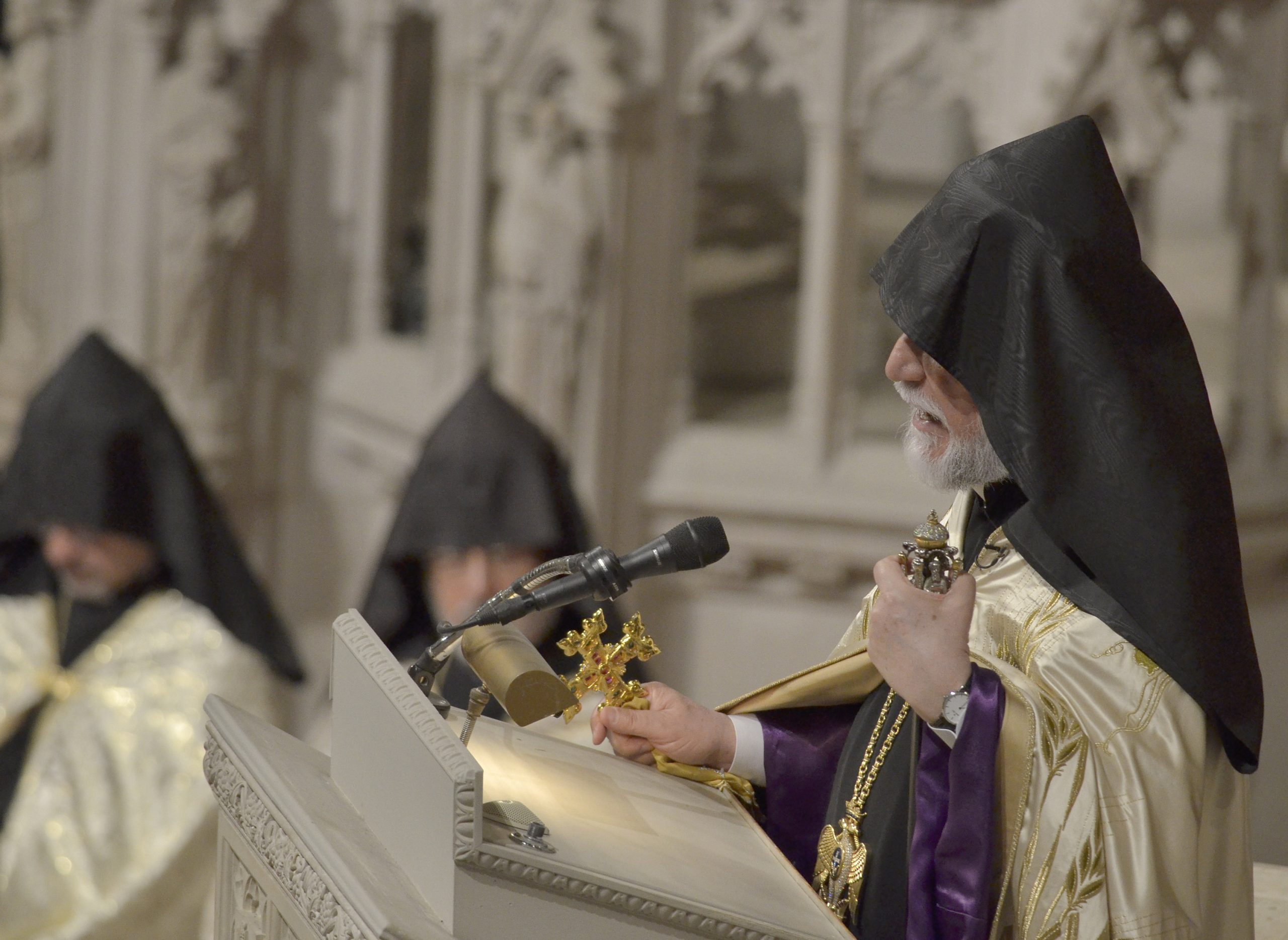
Armenian Church says Pope Leo XIV discussed possibility of a “Third Vatican Council”
The Armenian Apostolic Church has said that Pope Leo XIV and Catholicos Aram I discussed the possibility of convening a “Third Vatican Council” during a private meeting at the Vatican focused on Christian unity, Artsakh and the Middle East The idea of convening a “Third Vatican Council” was discussed during a private meeting between Pope Leo XIV and Catholicos Aram I at the Vatican. The meeting took place on May 18 and focused on Christian unity, the plight of displaced Armenians from Artsakh, the continuing detention of Armenian prisoners in Baku and the situation in Lebanon. While the Vatican’s own account of the audience made no mention of a council, a statement released by the Armenian Apostolic Church said the two Church leaders discussed “the establishment of a common date for Easter, a day of commemoration for all martyrs, and the convening of a Third Vatican Council”. According to the statement, Aram I stressed the “urgent necessity” of such initiatives for the life of the “universal Christian Church”. The Armenian Church added that Pope Leo XIV expressed “understanding and support” concerning the issues raised during the meeting. No details were given about what form a Third Vatican Council might take or whether it would involve only the Catholic Church or a wider ecumenical gathering of Christian Churches. The Second Vatican Council, convened by Pope John XXIII in 1962 and concluded under Pope Paul VI in 1965, remains the most recent ecumenical council of the Catholic Church. Speculation about a future council has surfaced periodically in recent decades, though no pope has publicly advanced plans for another ecumenical council. The proposal emerged during a broader conversation between Leo XIV and Aram I concerning the condition of Christians in the Middle East and relations between Churches. According to the Armenian statement, Aram I also raised the issue of Artsakh and the right of displaced Armenians to return “under international guarantees”. He further stressed the need to protect Armenian churches and historical monuments in accordance with international law. The Catholicos additionally referred to the continuing detention of former Artsakh officials and political leaders held in Baku, saying their release remained an urgent matter. The meeting also addressed Lebanon, where Aram I underlined the importance of preserving the sovereignty of the Lebanese state and ensuring the authority of the government throughout the country. He also spoke of the importance of Israel withdrawing from southern Lebanon and respecting existing ceasefire agreements. The Armenian statement said the two Church leaders also discussed ecumenical relations and the future direction of inter-Church dialogue. Aram I emphasised that alongside theological discussions, “moral and ethical issues” should occupy a greater place within ecumenical cooperation and international Christian initiatives. The Vatican has sought closer ties with the Oriental Orthodox Churches since the Second Vatican Council, with relations between Rome and the Armenian Apostolic Church improving markedly during the pontificates of Pope St John Paul II, Benedict XVI and Francis. Pope Francis maintained warm relations with Armenian Christian leaders and frequently referred to the suffering of Armenian Christians in the Middle East. In 2015 he described the mass killing of Armenians under the Ottoman Empire as “the first genocide of the 20th century”. Aram I, who has led the Catholicosate of the Great House of Cilicia since 1995, has long been active in ecumenical affairs and previously served as moderator of the World Council of Churches.
May 21, 2026
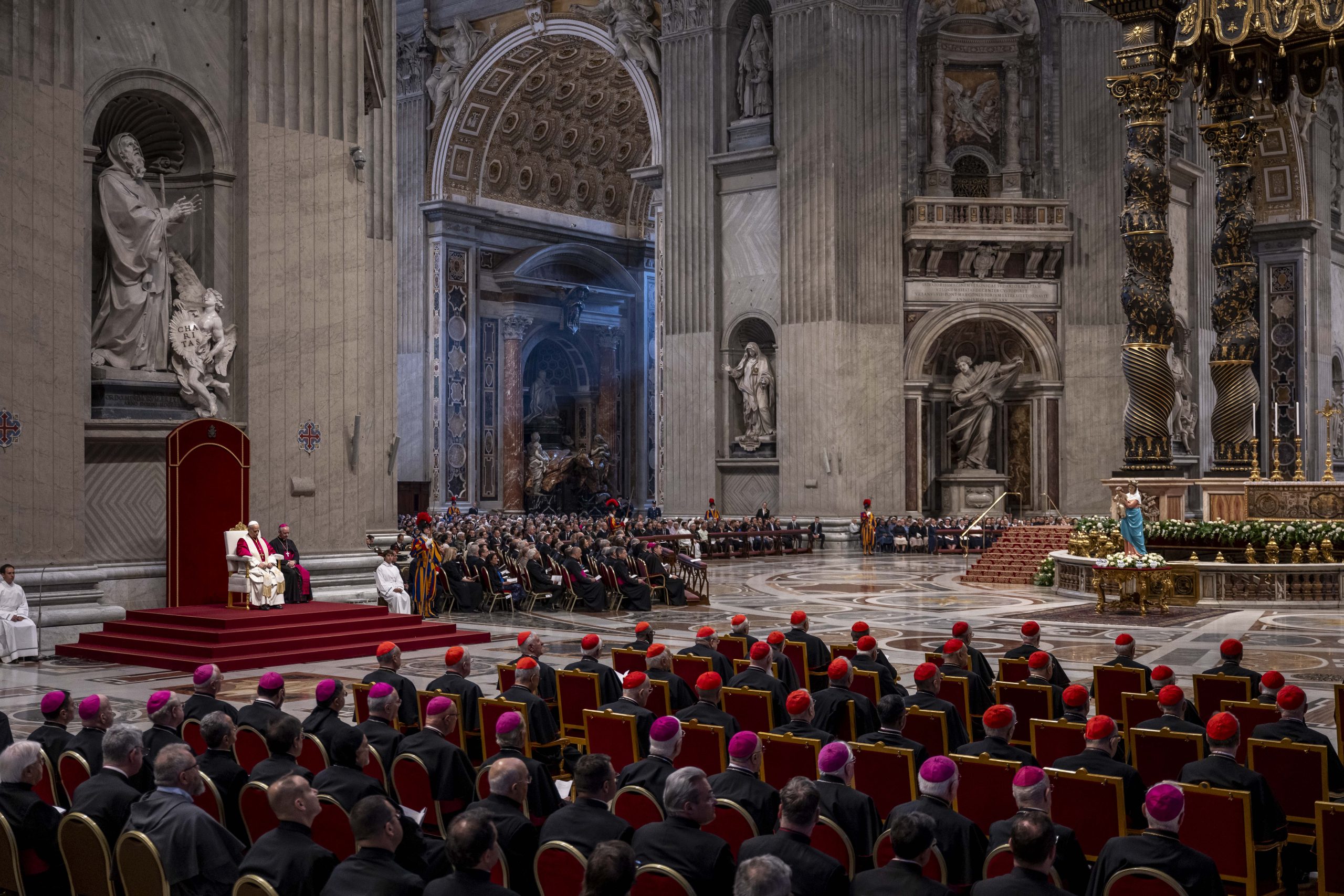
Vatican confirms global synodal assemblies ahead of Rome gathering in 2028
The Vatican has confirmed that dioceses across the world will spend the next two years preparing for a major “Ecclesial Assembly” in Rome in 2028 as part of the next phase of the Synod on Synodality The Vatican has unveiled a detailed timetable for the next phase of the Synod on Synodality, confirming that dioceses across the world will spend the next two years preparing for a major ecclesial assembly in Rome in October 2028. Entitled Towards the Assemblies 2027-2028 , the text presents the next stage of synodality. The process will culminate in what the Vatican is calling an “Ecclesial Assembly”, distinct from a Synod of Bishops but intended to gather representatives from across the global Church for a final act of discernment in Rome. The document, published on May 20 by the General Secretariat of the Synod, sets out the “stages, criteria, and tools for preparation” that will guide local Churches through what Rome describes as the “implementation phase” of the synodal process launched by Pope Francis in 2021. Under the plan, dioceses, bishops’ conferences and continental episcopal bodies will each hold assemblies between 2027 and 2028 aimed at assessing how the Synod’s final document is being put into practice. The Vatican said the process would culminate in an Ecclesial Assembly in Rome “together with the Holy Father”. The text divides the process into four stages titled “Recollecting”, “Interpreting”, “Orienting” and “Celebrating”. The first phase, scheduled for the first half of 2027, will involve diocesan and eparchial assemblies intended to evaluate the reception of the Synod’s final document at local level. Bishops will oversee the preparation of narrative reports describing “what concrete form of a missionary synodal Church and what new paths of synodality are emerging” within their communities. Dioceses will also prepare letters addressed to other Churches highlighting what the Vatican described as “the principal fruits that have emerged in the process of implementing the synod”. National and regional bishops’ conferences will then gather during the second half of 2027 to prepare theological-pastoral reports before continental assemblies take place during the opening months of 2028. Those continental meetings will produce “perspective reports” that will contribute to the drafting of the instrumentum laboris , or working document, for the Rome assembly. The final stage will take place in October 2028 at the Vatican. Although officials have repeatedly insisted the gathering will not constitute another Synod of Bishops, the new document states that the assembly’s conclusions will be “offered to the Holy Father as the fruit of the process of discernment”. The text places strong emphasis on papal oversight throughout the process, concluding that the entire journey will take place “under the guidance of the Holy Father”. The publication provides the clearest indication yet that Pope Leo XIV intends to continue the synodal project initiated by his predecessor. Since his election, the Pope has repeatedly referred to synodality as a defining characteristic of ecclesial life, describing it as “a style of cooperation” and an exercise in listening. The Vatican stressed that the implementation phase was not intended to reopen the consultation process that began in 2021, but rather to assess what has already been achieved since the Synod’s conclusion. “It is not a matter of repeating the Synod consultation, nor of adding further tasks to the ordinary life of communities,” the document states, “but rather of rereading what has already been experienced, recognizing its fruits and difficulties.” Cardinal Mario Grech, Secretary General of the Synod, said the assemblies were intended to be “a profound ecclesial and spiritual experience of discernment”. “What we are proposing to the local Churches is not an additional task, but rather a time of shared discernment and thanksgiving, in which to reread together what the Spirit is causing to grow in the Church and to recognize the steps we are called to take,” His Eminence said. The document also calls for broad participation within the assemblies themselves. It says organisers should ensure “balance between men and women and among different generations”, while also involving priests, deacons, Religious, members of ecclesial movements and “persons living in situations of fragility or marginality”. It adds that “particular care should be devoted to the involvement of parish priests”. Representatives of other Christian communities and religions may also take part “where appropriate”. Responsibility for organising the assemblies will rest with diocesan bishops at local level, presidents of bishops’ conferences nationally, and the heads of continental ecclesial bodies at regional level. The Vatican further encouraged organisers to continue using “conversation in the Spirit”, the discussion method strongly promoted during the Synod assemblies in Rome in 2023 and 2024. The implementation phase formally began after the late Pope Francis approved the Synod’s final document last year and handed it directly to the Church without issuing a separate post-synodal apostolic exhortation. Before his death, Francis repeatedly described synodality as irreversible and insisted the process marked a new way of governing and listening within the Church. Materials produced during each stage will be submitted to the Synod Secretariat according to a fixed timetable. Diocesan reports must be completed by June 30, 2027, bishops’ conference reports by December 31, 2027, and continental reports by April 30, 2028 ahead of the final assembly in Rome.
May 21, 2026
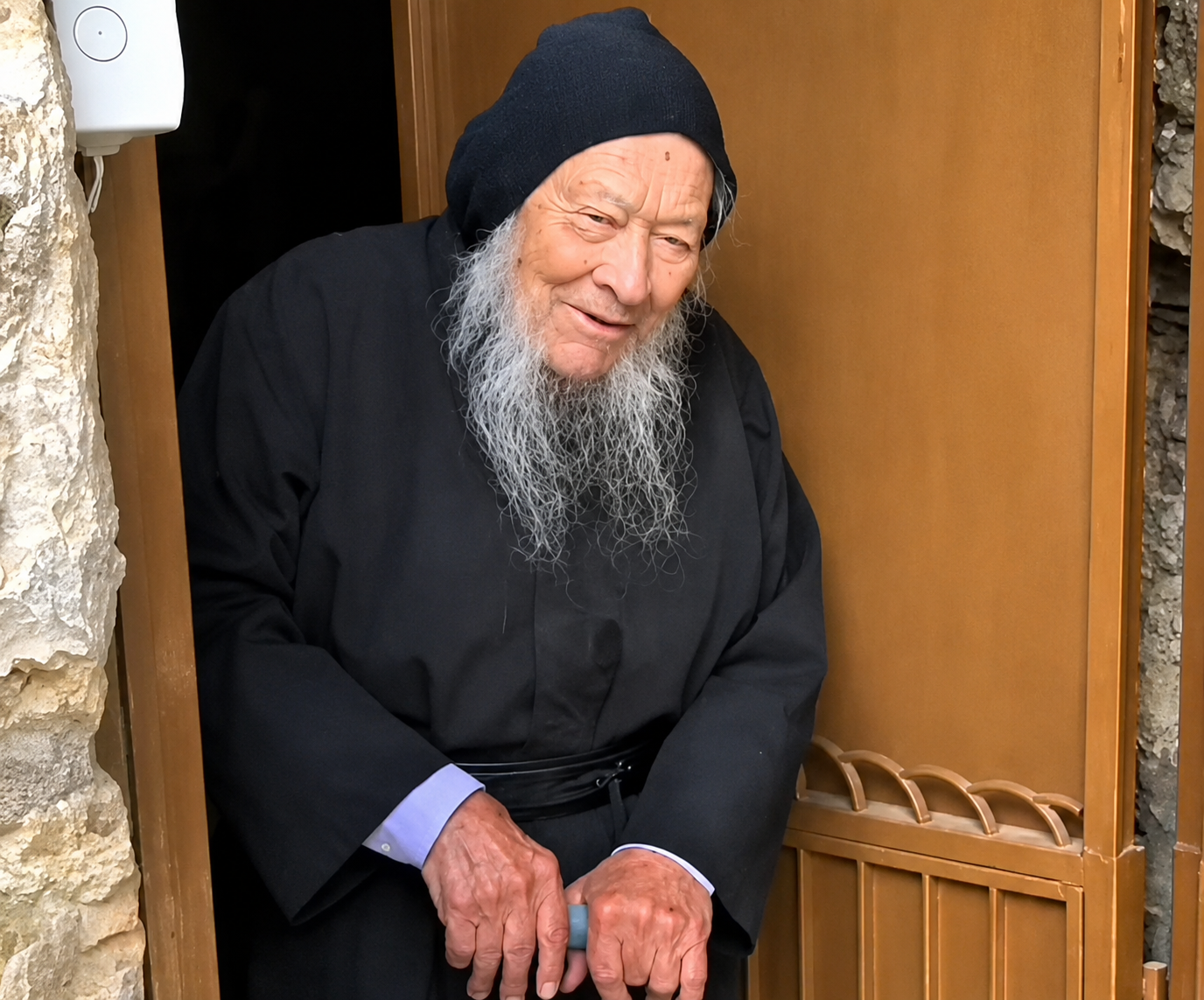
Maronite hermit Father Dario Escobar dies aged 92
Father Dario Escobar, the Colombian-born Maronite hermit reported to have spent 14 hours a day in prayer in Lebanon’s Qadisha Valley, has died aged 92 Father Dario Escobar, priest and hermit, has died aged 92. He was born in Medellín, Colombia, in 1934, a city which Pablo Escobar also called home, though the two were unrelated. He came from an affluent family and excelled academically, becoming a polyglot and later lecturing in theology and Biblical Greek, according to the Beiruter . It was in the United States, where Father Escobar was living in the 1990s, that he first heard of the Qadisha Valley, “Qadisha” meaning “holy” in Aramaic, the language traditionally associated with Jesus. He had already transferred to the Maronite rite when a Lebanese priest visiting Miami told him of the place, where Christians have sought solitude for the past fifteen hundred years. He left the United States for Lebanon, where he tried various forms of religious life before joining the Lebanese Maronite Order and settling at the Hermitage of Our Lady of Hawqa in the Qadisha Valley in 2000. Renowned for his asceticism, it was reported that the priest spent 14 hours a day in prayer, three working, two reading spiritual texts, and five asleep. He used a stone as a pillow and adhered to a vegetarian diet, with food provided by his garden and donations from visitors. He also made a point of adopting the Lebanese culture in which he found himself, learning Arabic and making a full transition to the Maronite rite. He embraced the Maronite rite completely. He prayed in the tradition of the Lebanese Church. He learned Arabic. He cared deeply about Lebanese politics, following events through the accounts of visitors. He prayed daily for the country and never left it again. His life naturally brings to mind Saint Charbel Makhlouf, also a Maronite, also a hermit and of the same monastic order. Beatified by Pope Paul VI in 1965 and canonised in 1977 in the final canonisation of his pontificate, Saint Charbel lived a life of asceticism and Eucharistic devotion in 19th-century Lebanon. Today he remains the most recognisable Maronite saint and the first Maronite monk to be formally canonised in the modern era. In the later years of his life, a sort of cult following developed around visiting Father Escobar in the hills of the Qadisha Valley. He was reportedly happy to converse with visitors, living a less secluded life than some of the other hermits who inhabited the area. In the final years of his life he was moved to the Monastery of Saint Boula in Hawqa, as climbing the hills to his hermitage had become too difficult. He will be buried at Monastery of Saint Anthony of Qozhaya, famous for the Grotto of Saint Anthony the Great, another renowned hermit. Image credit: X@SacerdosMariae
May 21, 2026
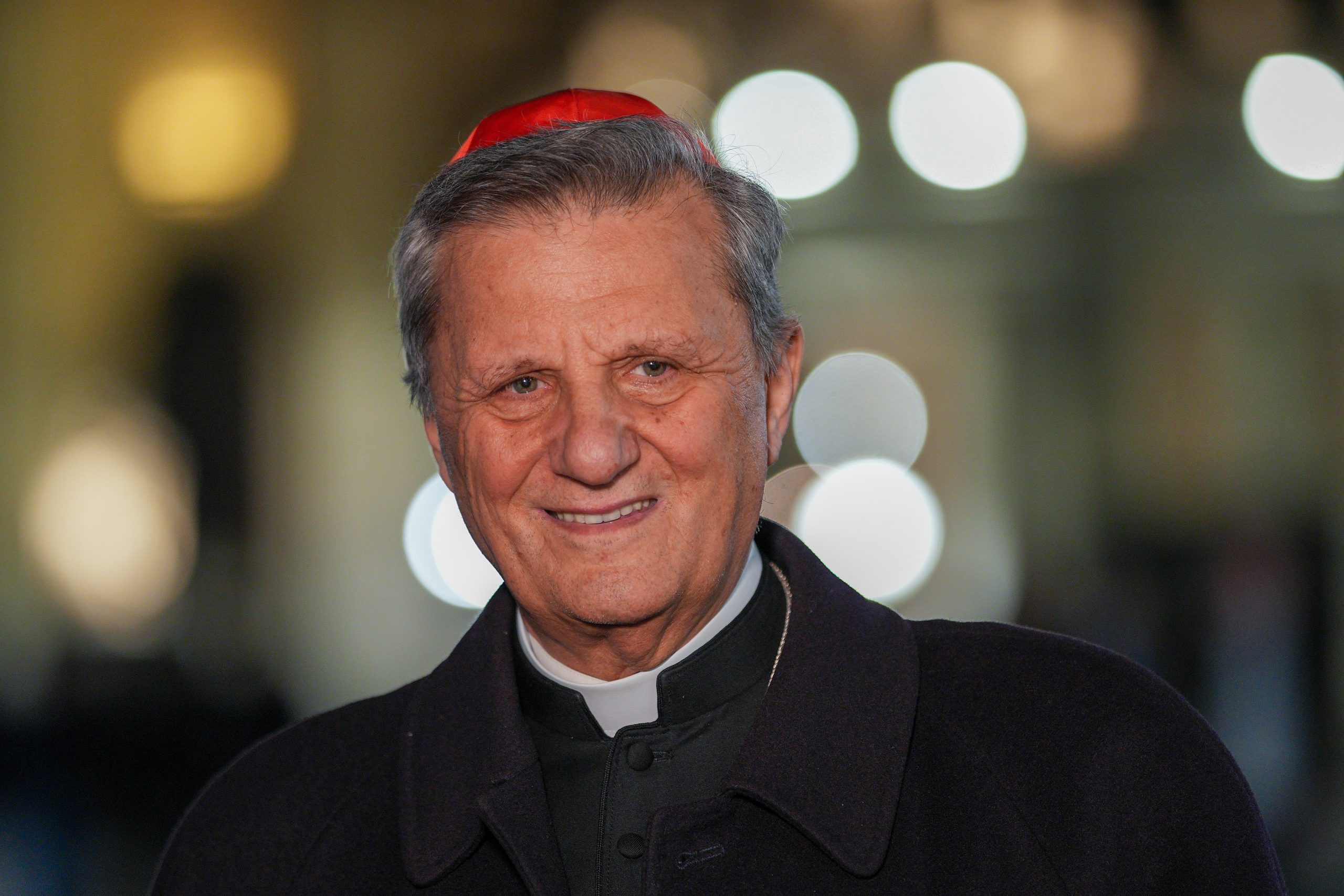
Cardinal Grech speaks on the Synodal Path and the Vatican’s Synod on Synodality
Cardinal Mario Grech has addressed the Synodal Path and the Vatican’s Synod on Synodality during a discussion at the Katholikentag in Germany Cardinal Mario Grech has said that Germany’s Synodal Path and the Vatican’s Synod on Synodality are guided by “the same protagonist: the Holy Spirit”. Speaking at the Katholikentag on May 17, the Secretary General of the Synod of Bishops rejected the idea that synodality was rooted in parliamentary manoeuvring or majority rule, insisting instead that it was a process of discernment guided by the Holy Spirit. “The Holy Spirit does not create a sum of opinions, but harmony, a symphony,” Cardinal Grech said, according to Katholisch.de. His Eminence said synodality should be understood as a “symphony of communion” and stressed the relationship between local Churches and the universal Church. “There is neither a universal Church without local Churches nor a local Church without the universal Church,” His Eminence said. According to Katholisch.de, the remarks came during a public discussion in which theology student Finja Miriam Weber, a member of the German Synodal Assembly, questioned Cardinal Grech’s comparison of the Church to a symphony orchestra. Weber asked who decides “who is allowed to play which instrument”, adding that women are barred from certain positions in the Church “simply because she is female”. Cardinal Grech replied: “Jesus composes the symphony and the Holy Spirit conducts.” According to reports from the event, the exchange was cut short when the moderator ended the discussion before it could continue further. Katholisch.de later reported that Cardinal Grech approached Weber afterwards and told her: “We need people like you.” The intervention is likely to attract attention because Cardinal Grech became one of the leading figures behind the late Pope Francis’s push for synodality. The Maltese prelate was appointed Pro-Secretary General of the Synod of Bishops by Pope Francis in October 2019, succeeding Cardinal Lorenzo Baldisseri the following year. During that period, Cardinal Grech participated in the Synod of Bishops for the Pan-Amazon region and served on the commission responsible for drafting the synod’s final document. In one of his first interviews after his appointment, Cardinal Grech spoke of a Church developing “a greater feminine face that would also mirror Mary’s face”. During the Covid-19 pandemic in 2020, the cardinal also drew controversy after criticising what he described as an overreliance on sacramental life among Catholics unable to attend Mass during lockdown restrictions. “It is of concern that someone feels lost outside of the Eucharistic or worship context, for it shows an ignorance of other ways of engaging with the mystery,” Cardinal Grech said at the time. Pope Francis created Cardinal Grech a cardinal in November 2020, assigning him the Roman deaconry of Santi Cosma e Damiano. He has since been appointed to a number of Vatican bodies, including the Dicastery for Bishops and the Supreme Tribunal of the Apostolic Signatura. In recent years Cardinal Grech has repeatedly defended synodality as a model for the future life of the Church. In a 2024 interview, His Eminence said synodality could help the Church move from “uniformity of thought” towards “unity in difference”.
May 20, 2026
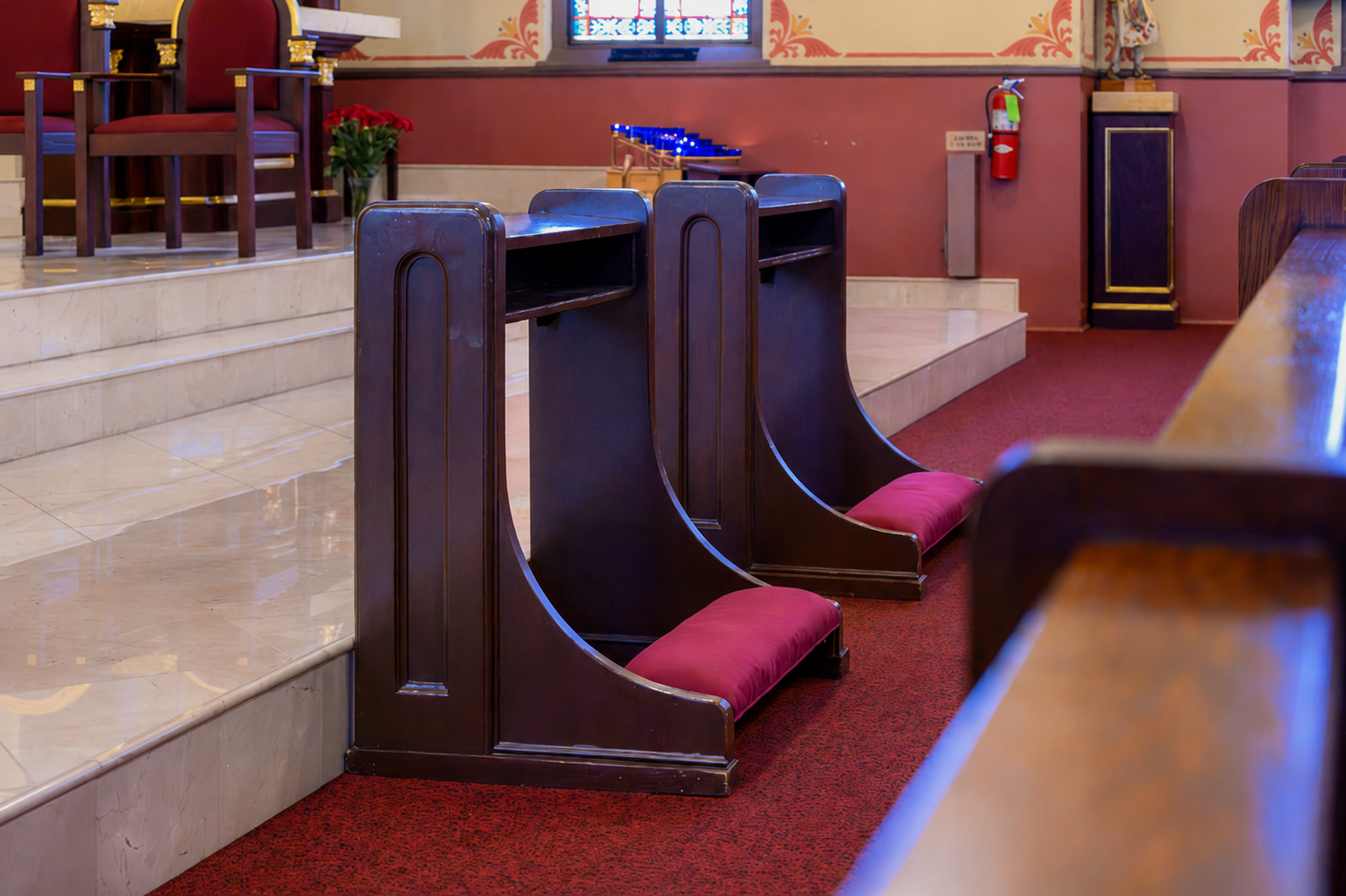
Costa Rican archbishop bans kneelers for Communion in churches
The Archdiocese of San José in Costa Rica has ordered that kneelers are no longer to be installed for the distribution of Holy Communion The Archbishop of San José in Costa Rica has ordered that kneelers are no longer to be placed in churches for the distribution of Holy Communion. The measure was set out in a circular dated May 13 and signed by Fr Francisco Morales González, the episcopal delegate for liturgy, acting on the instruction of Archbishop José Rafael Quirós Quirós. The document was issued following questions raised in recent weeks about the installation of kneelers in some churches for communicants wishing to receive Holy Communion on the knee. “From now on, kneelers are not to be installed in churches for the distribution of Communion,” the circular letter stated. The archdiocese said the decision had been taken because the presence of kneelers could lead some members of the faithful to conclude that kneeling was “the only form established by the Church” for receiving Holy Communion. The circular also argued that kneelers could impede access for elderly worshippers and those with mobility difficulties who are accustomed to receiving Communion standing. While the decree effectively prohibits the installation of kneelers during Communion, the archdiocese stressed that Catholics still retain the right to receive the Eucharist while kneeling. The document cited Redemptionis Sacramentum , the 2004 Vatican instruction on certain matters concerning the Eucharist, together with Benedict XVI’s apostolic exhortation Sacramentum Caritatis , both of which reaffirm that communicants may not be refused Holy Communion for choosing to receive kneeling. “No minister can impose a single way of receiving Communion,” the letter said, reiterating that the faithful remain free to receive either standing or kneeling, and either on the tongue or in the hand, in accordance with the norms permitted by the Church. The move has nevertheless been interpreted by some Catholics as a discouragement of the increasingly visible practice of kneeling for Communion, particularly among younger worshippers and those drawn to more traditional forms of Catholic piety. Although the universal law of the Church permits communicants to receive kneeling, episcopal conferences in many countries obtained permission for standing to become the normative posture. In 2002 the Vatican’s Congregation for Divine Worship stated that communicants who chose to kneel could not be denied the sacrament on those grounds. The ruling was later reinforced in Redemptionis Sacramentum , which declared: “It is not licit to deny Holy Communion to any of Christ’s faithful solely on the grounds, for example, that the person wishes to receive the Eucharist kneeling or standing.” Archbishop Quirós, who has led the Archdiocese of San José since 2013, has not publicly commented beyond the contents of the letter.
May 20, 2026
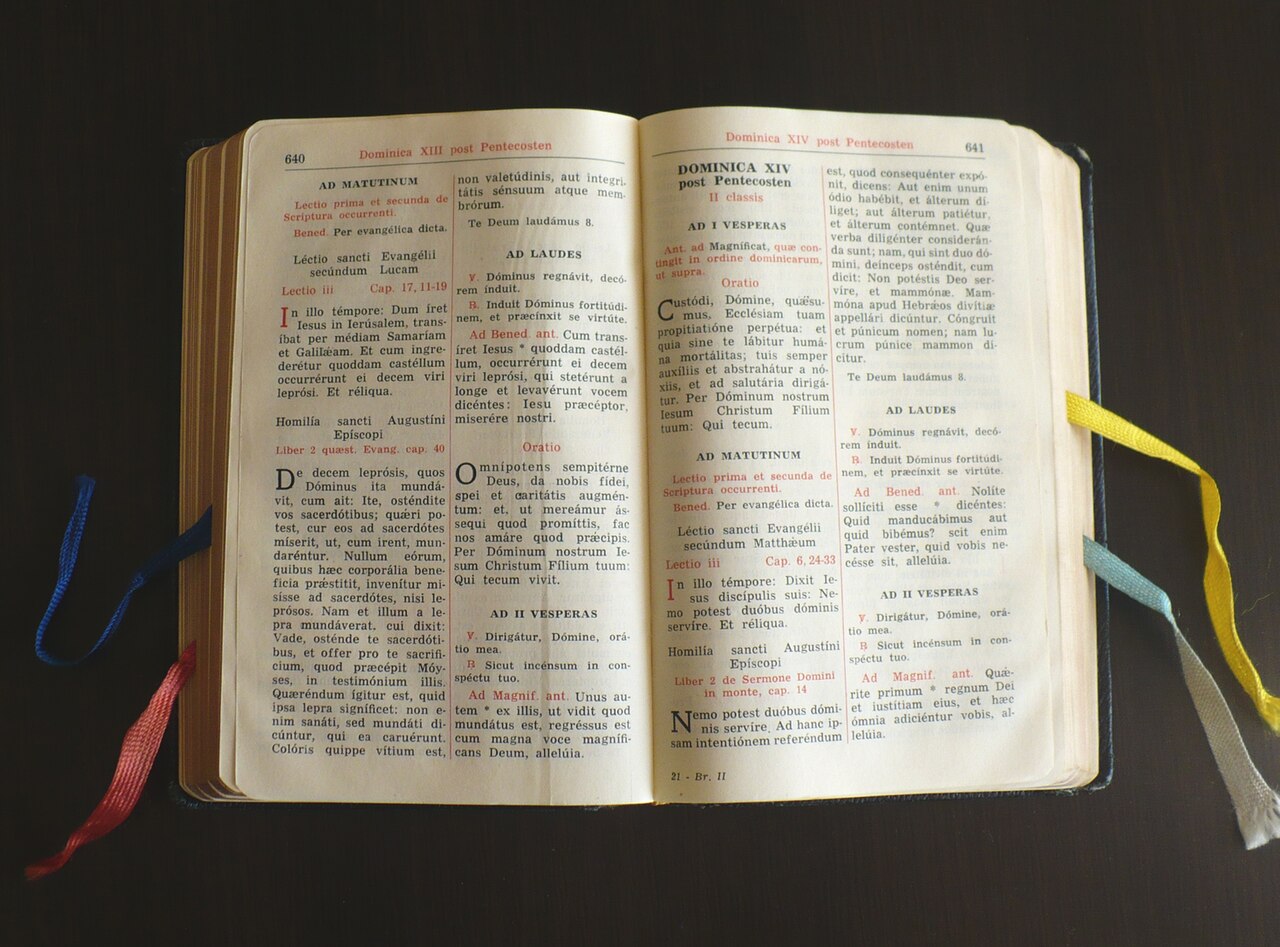
Inside Introíbo: the free Latin Mass app turning phones into missals
A new app designed to help Catholics navigate the Traditional Latin Mass has been downloaded thousands of times within days of launch. Built by convert Holden Cole, Introíbo includes the full 1962 Missal, Divine Office, rosary, traditional calendar and more, all completely free and available offline In recent years there has been a sustained and growing interest in the Traditional Latin Mass. Cradle Catholics and converts alike have found a depth and beauty in the older form of the liturgy that stands in contrast to the perhaps well-intentioned, if misguided, reforms erroneously inspired by the Second Vatican Council which have, in some places, turned liturgy into entertainment. This transformation of the liturgy into entertainment is an attempt to be “relevant” in the modern world. However, relevance, meaning to be closely connected or associated with modernity, is precisely what many people crossing the threshold of a church seek to avoid. There is little attraction in getting up on a Sunday morning to hear more of the contemporary culture that is corrosive to the human heart. If schools, media and workplaces already provide a steady diet of “progressiveness”, why would people want to go to church for more of the same? For many, the Latin Mass is the antithesis of this progressiveness. However, those who begin attending the Latin Mass often find themselves plunged into something radically different. The ancient, yet new, liturgy can be difficult to follow, conducted in another language and according to a different calendar. While the mystery and subtlety entice the would-be Mass attender, the sound catechesis that once helped the faithful enter into these mysteries has been lost through generational neglect. Fortunately, the new generation of converts to the ancient liturgy has brought with it a healthy dose of convert’s zeal, inspiring new ways of introducing the Traditional Latin Mass to the next generation. One such example is the app Introíbo , which offers users the complete 1962 Missal, the Divine Office, the rosary in Latin, the Stations of the Cross and the traditional calendar all in one place. Designed for practical use, the app automatically opens each day to the liturgical feast and its rank, the season, the properly observed traditional calendar, the day’s penitential observance and a psalm verse in both Latin and English. From there, users can access the Mass, including the full Ordinary of the 1962 Roman Missal with the proper texts for every day of the liturgical year, alongside the Roman Canon in parallel Latin and English text. The app also includes an examination of conscience and a library of traditional prayers. There is even a small school for learning ecclesiastical Latin through the prayers themselves, as well as spiritual practices drawn from the saints. Holden Cole, the app’s creator, is himself a convert, having recently celebrated three years since his reception into the Church. Initially attending a Novus Ordo Mass, he was first introduced to the older form of the liturgy by the Priestly Fraternity of St Peter in Florida. “I completely fell in love with the Latin Mass,” Cole explains. “Since then I’ve gone every Sunday, sometimes several times a week if I can. It is the thing that has most deepened my Catholic faith.” His motivation for building the app was born primarily out of necessity. “I was looking for something useful, something that had the Mass prayers on a phone and could help me appreciate the Latin more deeply.” Despite having no publicity team behind him, Cole’s app has been an immediate success, having been downloaded 3,500 times in its first week. He remains ambitious about its future and is keen to continue devoting his time to the project. “It doesn’t feel like work when I’m doing it. It’s more a labour of love.” There is still more he hopes to add, explaining: “The app is still a work in progress. I still have a roadmap I’m working through with ideas for future features.” Perhaps most remarkably, Cole has kept the app free, with no adverts or tracking, and has made it fully available offline. His hope is simply that others might have their faith enriched by the ancient liturgy that has so enriched his own. Readers who wish to find out more or download the app themselves should visit: introiboapp.com
May 20, 2026