

Vatican
Pope Leo XIV’s first year has brought calm, not resolution
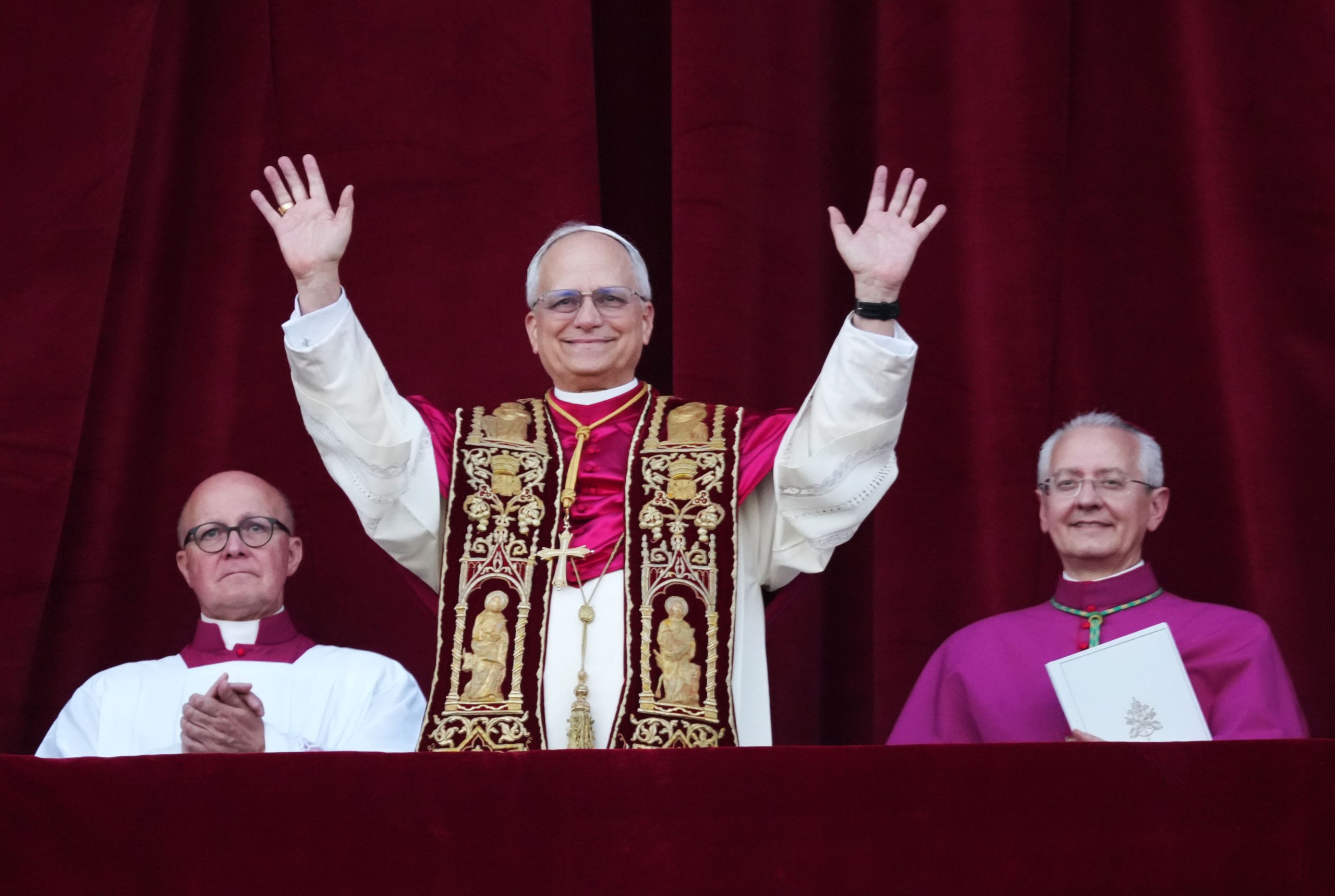
One year after his election, Pope Leo XIV remains widely respected and personally popular, yet many of the deepest crises inherited from Francis remain unsettled Greeting the eager eyes of the world for the very first time one year ago, Leo XIV laid out his papal style by citing his spiritual father, St Augustine. Twelve months later, the Church he inherited remains largely just as troubled, and though Leo himself is beloved by many, he is yet to deliver notable resolutions to the various conflicts in the manner that was predicted of him. Emerging onto the Loggia in the early evening of May 8, 2025, Leo XIV presented a genial figure and, bedecked in the traditional mozzetta and stole rejected by Pope Francis, was greeted warmly. For all the rhetoric about necessary change proposed by ardent papal apologists during the Francis era, Leo’s use of traditional papal attire made an instant and undeniable positive impression on the crowd. In assessing his first year as pope, it is clear that those who immediately sought to portray him as a reborn St Pius X or an ardent champion of the most heterodox causes have both been confounded. Francis’ reign led to continuous spicy headlines, and his off-the-cuff remarks brushed aside centuries of Tradition in favour of the Argentine’s personal theology. Leo is not as easy to pin down: he is neither revolutionary nor a “rigid” traditionalist. If a label is needed, Leo appears to resemble John Paul II more than his other two immediate predecessors, for both better and worse: charismatic in character, quietly and confidently rooted in his own persona, conservative to a certain extent in liturgy and reverent, but not ardently traditional, orthodox in morality, but sometimes seemingly blind to pressing issues, or simply reluctant to act. For those to whom the latter part of such an assessment seems too critical, one must not forget that a number of pressing scandals and personal appointments remain unaddressed. True, Leo’s style does not appear oriented towards instant action, nor towards breaking the laws of diplomatic courtesy. That can indeed be a positive trait – especially after a pontificate of such turmoil, but in some cases, such as the immense scandal and ecclesial devastation caused by the Francis-era appointment of Cardinal Victor Manuel Fernández, urgent action is not just appropriate but necessary. So what are the most controversial issues Leo has inherited? There is, of course, the infamous Sino-Vatican deal, but given that it is not due for renewal until 2028, Leo will likely feel less pressure over it. So far, though, the Leonine Vatican has continued the previous style of appeasement towards Beijing, seemingly allowing China to pull the strings. This is in large part due to Cardinal Pietro Parolin remaining as Secretary of State. Amoris Laetitia and the scandal of allowing the divorced and “re-married” to receive Communion remain as grave a crisis as when the document was signed by Francis in 2016. Leo has convened a meeting of bishops to discuss the matter in October, and it is the opinion of this correspondent that, at that event or shortly afterwards, the American pope might overturn this element of Francis’ text, albeit in a veiled manner. Should he fail to do so, however, it will likely be seen as one of the most egregious moments of his pontificate. Fiducia Supplicans also remains in force, although Leo appears to have undermined the ill-fated text in recent weeks when he stated that “the Holy See has made it clear that we do not agree with the formalized blessing of couples, in this case homosexual couples, as you asked, or couples in irregular situations, beyond what was specifically, if you will, allowed for by Pope Francis in saying all people receive blessings.” Debate has raged over this line, as to whether Leo was supporting FS or rejecting it, but there is no doubt that the text calls for the blessing of couples and that, by prohibiting such blessings, Leo has softly closed the door. Herein lies the essence of much of Leo’s style. His is a gentle, diplomatic approach, and one much needed. Leo is never going to be the pope who formally overturns the actions of an immediate predecessor, unlike Francis. Rather, he favours re-presenting Catholic teaching anew, quoting just enough of Francis to show continuity in the papal line before then diverging from Francis in content in favour of the Church’s tradition. On more than one occasion, Leo has employed a trademark phrase of Francis’, used by the Argentine to cloud Church teaching, before adding his own twist in order to clarify the matter at hand. He is a man of purpose and of listening. Also evident from his speeches and homilies is the extent of his personal learning and active spirituality. Commenting at the time of his election, many cardinals praised his ability to build bridges between warring parties and satisfy everyone. So far, Leo has certainly attempted to do just that. On the issue of the traditional Mass, another problem inherited from Francis, he made waves by allowing Cardinal Raymond Burke to offer a high-profile Mass for the annual Latin Mass pilgrimage to the Vatican. It was an event laden with significance, and Leo even endured criticism for it from within the Curia. He believed strongly enough in the importance of allowing the event to proceed that he was willing to endure the grumblings of others. But at a certain point, the papacy will force him to act in a way that being a diocesan bishop and Curial prefect did not, namely to decide in such a way as to leave only one side happy. As pope, he has stated that his ministry “is distinguished precisely by this self-sacrificing love, because the Church of Rome presides in charity and its true authority is the charity of Christ.” Leo appears to be a man keen to honour truth, law and basic justice in a way that could not always be said of Francis. He is committed to a fairly permissive degree of listening to differing views and then acting with an informed mind. However, in order to preserve unity based on Christ, Leo will eventually have to leave the heterodox ecclesial lobby unhappy, and whether or not he has the strength to do so will determine the efficacy of his papacy.
May 8, 2026
Pope Leo responds to Trump’s latest attacks as Rubio readies for Rome
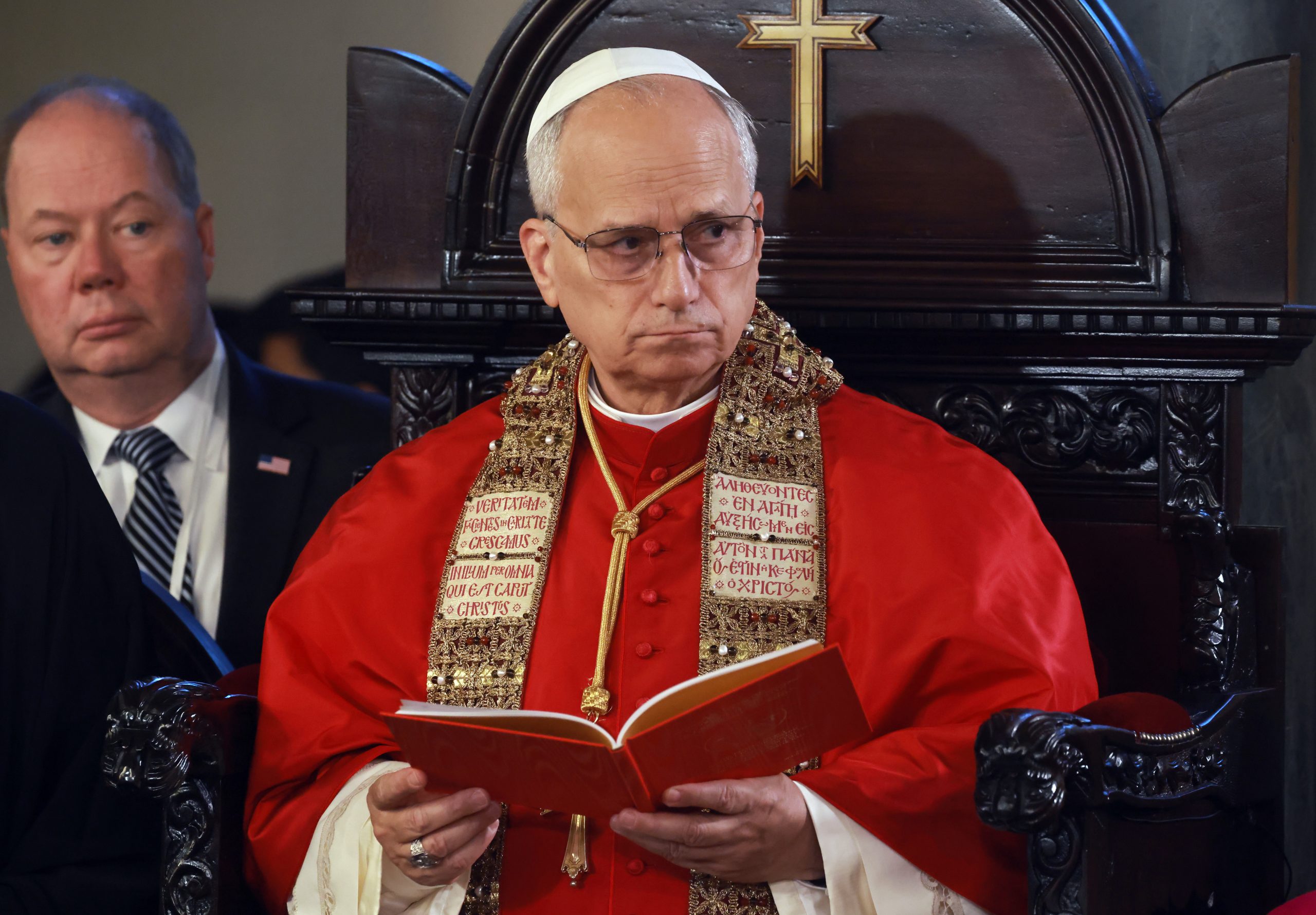
Pope Leo XIV has responded directly to Donald Trump’s criticism, stating that “there is no doubt” about the Church’s opposition to nuclear weapons The Holy Father Pope Leo XIV has responded to the latest criticism from Donald Trump. Speaking to reporters outside the the papal villa in Castel Gandolfo on Tuesday, May 5, the Pope said in Italian: “I have spoken out from the very moment I was elected, and now, as we approach the anniversary, I have said, ‘Peace be with you.’” The Pontiff added: “If anyone wishes to criticise me for proclaiming the Gospel, let them do so with truth.” Addressing Trump’s accusation that he was in favour of Iran possessing nuclear weapons, the Pope responded: “For years the Church has spoken out against all nuclear weapons, so there is no doubt about that.” The Pope concluded his remarks in Italian by saying: “I simply hope to be heard for the sake of the value of God’s words.” Speaking to another reporter in English, he continued: “I always believe that it’s much better to enter into dialogue than to look for arms and support the arms industry, which gains billions and billions of dollars each year, instead of sitting down at the table and solving our problems and using money to solve humanitarian issues and hunger in the world.” Trump’s latest remarks were delivered on Monday during an interview with Hugh Hewitt. He said: “The Pope would rather talk about the fact that it’s OK for Iran to have a nuclear weapon.” He continued: “And I don’t think that’s very good. I think he’s endangering a lot of Catholics and a lot of people.” The comments came after Trump posted on his social media platform, Truth Social, last month that the Pope was “WEAK on crime” and “terrible for foreign policy”, before later posting an image of himself depicted as Jesus. President Trump has consistently sought to justify the joint US and Israeli military action in Iran, which has an estimated death toll of 3,114 people, according to HRANA, including 1,354 civilians, of whom 207 were children. The Pope has responded to the war, and to various other conflicts around the world, by calling for peace. The disagreements come during an important diplomatic week for the United States and the Vatican, which will see Secretary of State Marco Rubio make a two-day visit to Italy and the Vatican. Alongside JD Vance, Rubio is often seen as the Catholic face of the Trump administration. Not always a practising Catholic, Rubio also attended the Church of Jesus Christ of Latter-day Saints as a child before returning to Catholicism with his family. He later drifted from the faith during the early years of his professional success. However, he subsequently returned, speaking of a renewed desire to receive the Eucharist, which he described as “the sacramental point of contact between the Catholic and the liturgy of heaven”. Rubio is often regarded as a calming presence within a volatile administration, a characteristic that was particularly evident in his 2026 Munich conference speech, which focused on shared American and European ideals and prompted the Latvian president to say that he “agreed with every single word”. Rubio is also a seasoned politician, having served as Senator for Florida since 2011. He speaks Spanish fluently and is the child of Cuban immigrants, sharing Pope Leo’s strong association with Latin America. The decision to send him at a time of deteriorating diplomatic relations between the Holy See and the United States therefore appears politically astute. Despite Trump’s apparent doubling down on criticism of the papacy, the administration is likely conscious of the potential ramifications of a public fallout with the spiritual leader of the United States’ 70 million Catholics. The Catholic voting bloc has supported every winning presidential candidate in recent US political history, with some polls placing Catholic support for Trump’s 2024 campaign as high as 57 per cent. In November, the United States midterm elections will see voters elect all 435 members of the House of Representatives and 35 Senate seats. Emerson College Polling currently gives the Democrats a 10-point advantage on the generic congressional ballot. If Republicans fail to reverse the current polling trend, the election could result in Democrats taking control of the House and being able to block much of Trump’s legislative agenda. Rubio will also seek to smooth relations with Italy, where Giorgia Meloni, a long-time Trump ally, has taken exception to Trump’s remarks about the Pope, describing them as “unacceptable”. Relations have further deteriorated over the Italian Prime Minister’s refusal to involve Italy in the war with Iran, with Trump responding: “I’m shocked at her. I thought she had courage, but I was wrong.” With Viktor Orbán recently ousted after 16 years in power, Trump is left with relatively few close allies governing in Europe. Much of his remaining European political support now comes in the form of opposition figures such as Nigel Farage, Marine Le Pen and Mateusz Morawiecki. Rubio has attempted to play down the timing of the diplomatic visit, telling reporters in the White House briefing room that it was a trip “we had planned from before” and that “the trip is really not tied to anything other than the fact that it would be normal for us to engage with them [the Church]”. Secretary of State Marco Rubio will visit Vatican City on Thursday, May 7, where he will have an audience with Pope Leo XIV at the Apostolic Palace, scheduled for 11.30am. According to the White House, the meeting will focus on the Middle East and mutual interests in the Western Hemisphere. On Friday, Rubio will meet Prime Minister Giorgia Meloni and Foreign Minister Antonio Tajani to discuss what the White House has described as “shared security interests and strategic alignment”.
May 7, 2026
Pope Leo expected to visit France in September
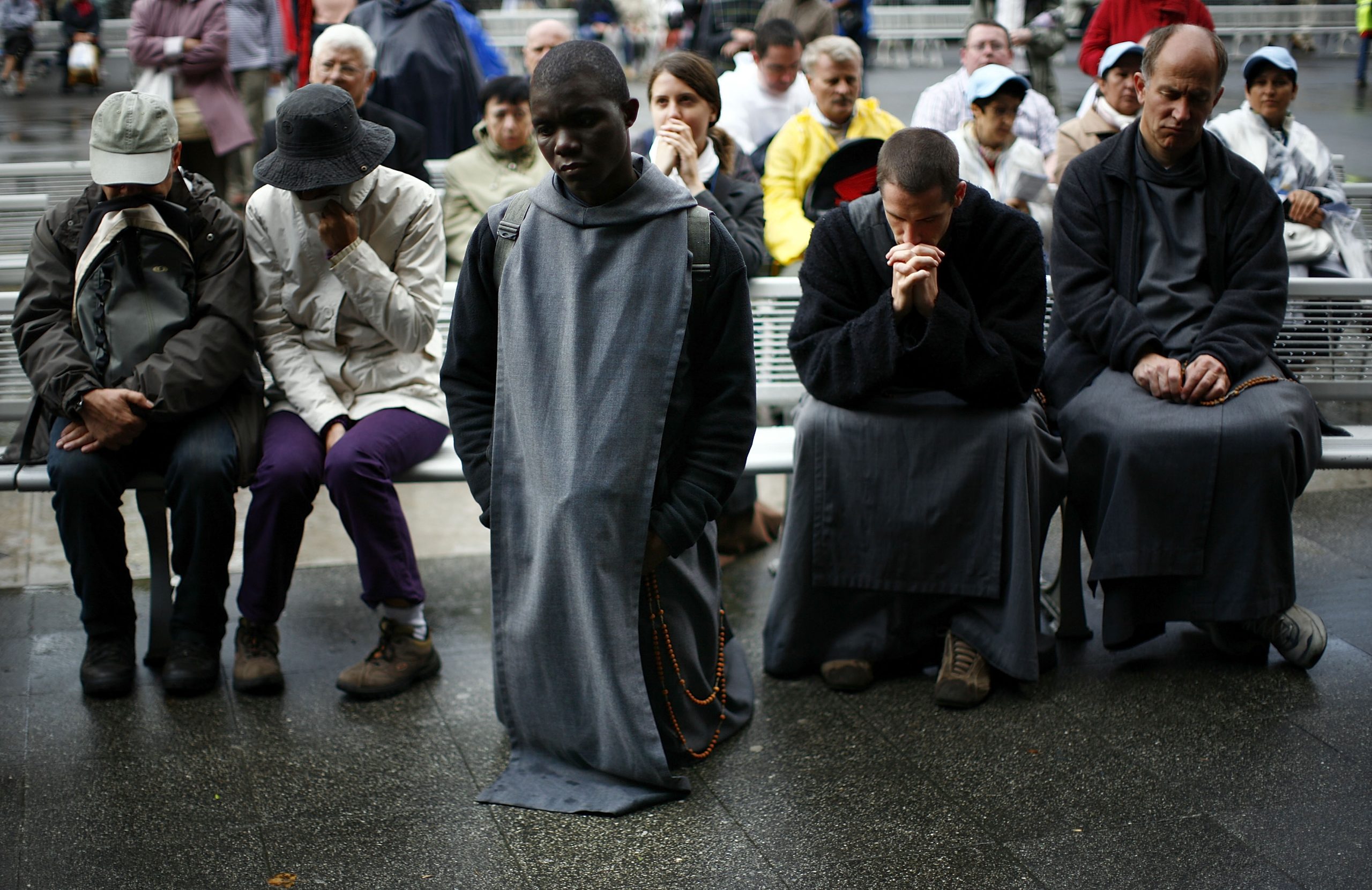
Pope Leo XIV is expected to visit France at the end of September, with Paris and Lourdes among the proposed destinations. The Vatican has yet to formally confirm the journey, which would follow the Pope’s June visit to Spain Pope Leo XIV is expected to visit France at the end of September in what would be his second visit to a European Union country outside Italy since his election last year. The proposed journey was announced by the French Bishops’ Conference on May 6, which said the Pope could travel to Paris and Lourdes, although the Vatican has yet to formally confirm the visit. The invitation was extended by Cardinal Jean-Marc Aveline, president of the bishops’ conference, in coordination with the Apostolic Nuncio, Archbishop Celestino Migliore, and was also supported by President Emmanuel Macron during a meeting with the Pope in Rome on April 10. In a statement issued by the conference, the bishops said: “The Catholic Church in France is preparing to welcome Leo XIV.” They added that, since his election one year ago, “several bishops” had invited the Pope to visit the country before Cardinal Aveline formally renewed the invitation on behalf of the episcopate. The statement said the proposed journey “could take place at the end of September” and noted that “on various occasions, Leo XIV has expressed the great esteem he holds for our country and its spiritual history”. Cardinal Aveline said he had held “several working sessions” with the Pope, including one last week, during which a draft programme was prepared. “His visit would be an opportunity to share with the Pope what our Church in France is experiencing and to let ourselves be encouraged by his words,” the cardinal said. The bishops added that the faithful were being asked “to support the preparation of this event through prayer” while awaiting the official announcement from the Holy See. The expected visit follows the publication of the programme for Pope Leo’s apostolic journey to Spain from June 6 to June 12, his first visit to the country as pontiff. During the six-day trip, he is scheduled to visit Madrid, Barcelona, Montserrat, Las Palmas de Gran Canaria and Santa Cruz de Tenerife. The itinerary includes meetings with King Felipe VI and Queen Letizia, Spain’s political authorities and the country’s bishops, along with Masses in Madrid, Barcelona and the Canary Islands. The Pope is also expected to visit migrants, prisoners, charity workers and young people during the journey. Among the principal events of the Spanish visit will be a Corpus Christi procession in Madrid, a gathering with the diocesan community at the Santiago Bernabéu Stadium and the inauguration of the Tower of Jesus Christ at Barcelona’s Basilica of the Holy Family. The Pope is also due to visit the Benedictine Abbey of Montserrat, which recently marked the millennium of the monastery’s foundation. The abbey remains closely associated with the history of Catalonia and the suffering of the Church during the Spanish Civil War, when a number of its monks were killed. France has received several papal visits in recent decades, including journeys by Pope John Paul II and Pope Benedict XVI. Pope Francis travelled to Marseille in 2023 and to Corsica in 2024, though neither was considered a full state visit to France.
May 7, 2026
Vatican synod reports propose new model for choosing bishops
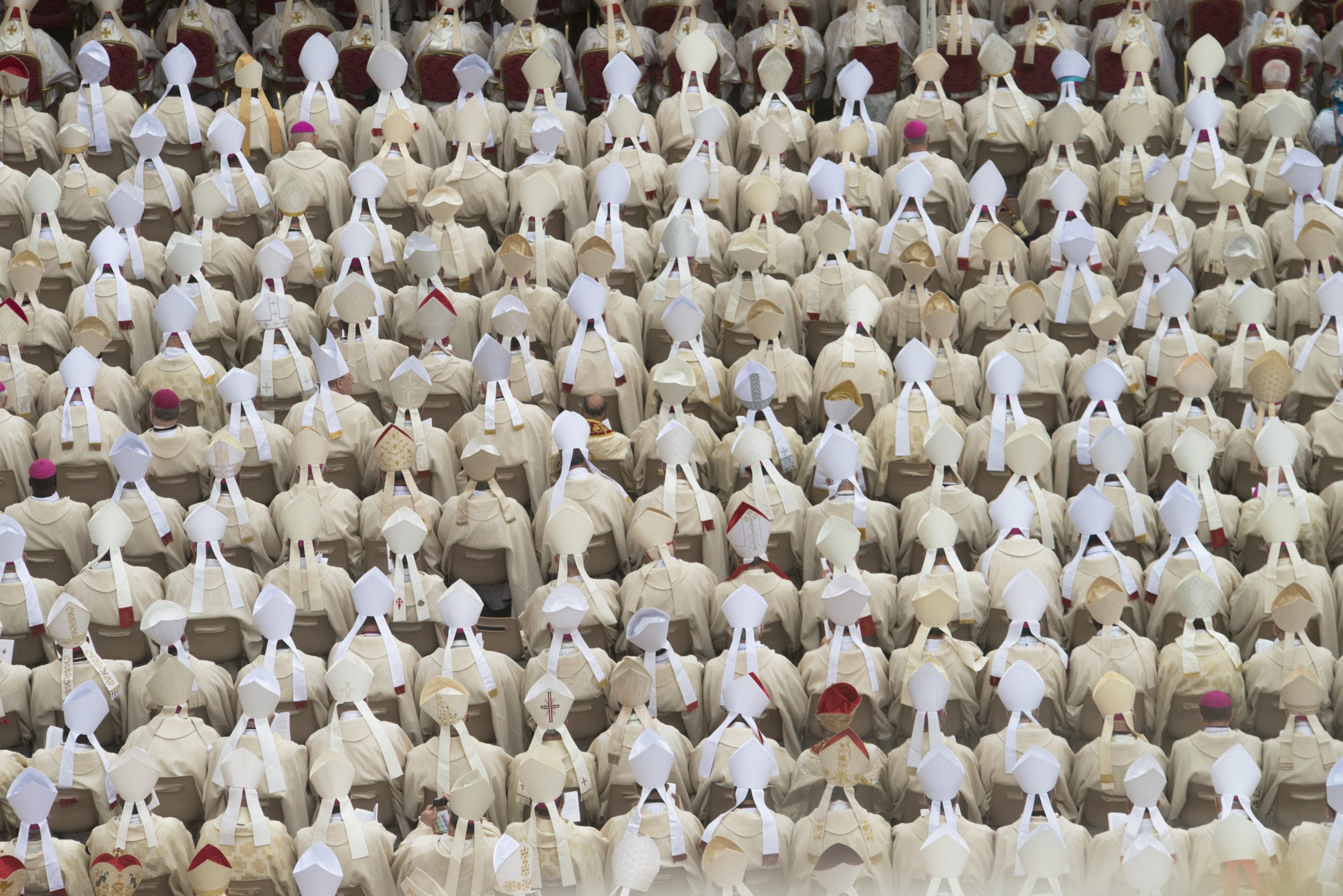
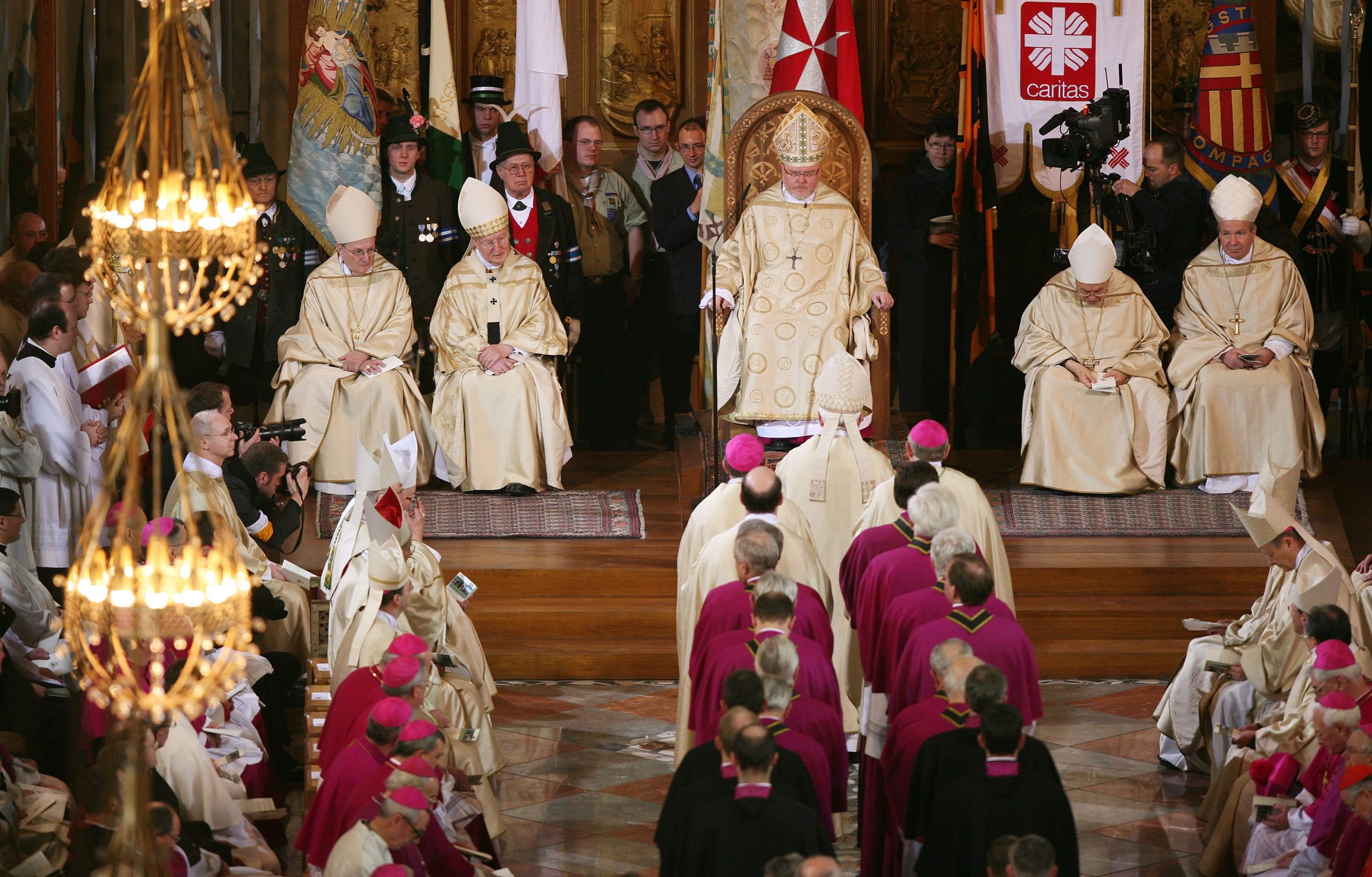
New Vatican synod reports set out proposals to widen consultation in the selection of bishops and introduce new methods for addressing doctrinal questions The Vatican has released new synodal reports outlining proposed criteria for the selection of bishops and new methods for addressing doctrinal and pastoral questions. The texts, published by the General Secretariat of the Synod of Bishops and overseen by Cardinal Mario Grech, include the first part of the final report of Study Group No. 7 on some aspects of the person and ministry of the bishop (in particular: criteria for selecting candidates to the episcopacy, the judicial function of bishops, the nature and structure of ad limina Apostolorum visits) from a missionary synodal perspective, together with the final report of Study Group No. 9 on theological criteria and synodal methodologies for shared discernment of emerging doctrinal, pastoral and ethical issues. Introducing the documents, Cardinal Grech said: “Discernment lies at the heart of selecting a bishop,” a motif in line with the wider synodal emphasis on listening and participation. The report on bishops states that “there is no shepherd without a flock, and no flock without a shepherd”. It sets out a number of qualities expected of candidates, including the ability to “build communion”, “engage in dialogue”, and demonstrate “deep knowledge of local cultures”. It also calls for apostolic nuncios to adopt “a synodal and missionary profile”, adding that they should be capable of recognising those same characteristics in potential candidates for the episcopate. A more structured consultation process is proposed for dioceses approaching an episcopal succession. The report states: “As an episcopal succession approaches, the bishop is to convene the presbyteral council and the diocesan pastoral council, whose members express, in a collegial manner, an opinion on the needs of the diocese and submit to the bishop – in a sealed envelope – the names of priests they consider suitable for the episcopate.” It adds: “Where possible, consultation is also to include the cathedral chapter, the finance council, the lay council, and representatives of consecrated persons, young people and the poor.” The document further recommends that consultation should involve “an equivalent number of consecrated men and women, laymen and laywomen” in order “to bring out the truth as fully as possible”. Provision is also made for the ongoing formation of clergy, with the suggestion that dedicated teams be established to assist bishops. In cases of a vacant see, the report proposes the creation of diocesan committees that may be consulted by the apostolic nuncio “to clarify the state of the diocese, the profile of the new shepherd, and possible candidates”. Alongside these measures, the report calls on the dicasteries of the Roman Curia to review their procedures “in a more synodal direction” and suggests the introduction of periodic independent evaluations of the selection process. The companion report on theological discernment proposes what it describes as a “change of paradigm” in addressing difficult questions facing the Church. Drawing on the witness of the early Church in the Acts of the Apostles, it highlights the importance of unity amid cultural diversity. It states that the term “emerging” should be preferred to “controversial” when referring to such questions, explaining that “the aim is not merely to resolve problems but to build the common good through relational conversion, shared learning and transparency”. The document introduces what it calls the “principle of pastorality”, adding that “there can be no proclamation of the Gospel without taking responsibility for the interlocutor, in whom the Spirit is already at work”. It sets out three methodological steps: “listening to ourselves, listening to reality, and convening different forms of knowledge”, and reiterates that “conversation in the Spirit remains the privileged tool for developing an ecclesial culture of synodality”. The report also indicates areas where these methods are to be applied, including the experience of Catholics with homosexual tendencies and questions relating to active nonviolence. It emphasises the importance of testimony, stating that lived experience should serve as “the starting point for paths of ethical and theological discernment”. The publication of the synodal reports of Study Groups No. 7 and No. 9 represents a structural reconfiguration within the Church, as both documents shift the centre of gravity from a hierarchical model towards one governed by process, consultation and “discernment”. This begins in the framing of Study Group No. 7. Under “Purpose and Scope” (p. 3, §a–b, e–g), the report states: “The Assembly calls for a review of the criteria for selecting candidates for the episcopate, balancing the authority of the apostolic nuncio with participation of episcopal conferences. There are also requests to expand consultation with the faithful People of God…” It continues: “The relevant canons of the Code of Canon Law … must be adapted in accordance with the synodal spirit of the following proposals.” The subordination of canon law to a “synodal spirit” reverses the traditional order, and while it does not explicitly say so, it places the Church’s law within a contemporary process. The shift becomes more pronounced in the section on discernment within the local Church (pp. 5–6, §c–g). The report states: “The bishop must convene the presbyteral council and the diocesan pastoral council … each of these bodies will collegially formulate a written opinion … [and] submit … the names of priests … suitable for the episcopate.” It adds: “Where circumstances allow, the cathedral chapter, the diocesan finance council, the lay council, the unions of consecrated men and women, and diocesan groups that institutionally represent youth and the poor should also be convened.” This is not consultation in the traditional sense, but formalises a structured, representative process of nomination. The inclusion of “groups that institutionally represent youth and the poor” introduces categories that are sociological rather than ecclesial and are not rooted in God. Historically, while acclamation by clergy and people existed, it was precisely curtailed to avoid factionalism and politicisation. The same dynamic appears in the section on a vacant see (pp. 6–7, §b–d): “A Committee for the Provision of the Local Church is established … composed of two diocesan priests … two consecrated men or women and two laypersons … The nuncio relies on this committee … to receive opinions on possible candidates.” In effect, this creates a standing local body that mediates between Rome and the diocese in the nomination of a bishop. The proposed model, even if not formally altering doctrine, introduces a practical expectation of local participation that approximates a nomination process. The development continues in the criteria for bishop candidates themselves (p. 4, §b–c): “It is necessary to consider … his ‘synodal competencies’ … openness to complexity, a disposition towards innovation, the ability to adapt to new situations.” These criteria stand alongside, and risk displacing, the traditional requirements set out in canon 378: sound doctrine, good morals, piety and prudence. The emphasis shifts from what a bishop is to how he operates within a process. If Study Group No. 7 alters governance, Study Group No. 9 addresses doctrine more directly. In its introductory framework (pp. 3–6), the report states that the synodal process “calls for a conversion of heart and mind as well as a transformation of practices” and explicitly prioritises method: “priority to ‘how?’ … favouring ‘the account of the lived experience of the People of God, read and interpreted ecclesially in the light of Revelation’ rather than ‘abstract theoretical assumptions’.” This is a decisive methodological claim. It shifts the starting point of theological reflection from revealed truth, as authoritatively taught, to experience interpreted within a communal process. The report makes this explicit in its call for “a paradigm shift” and a “shared commitment to a historical, experiential, and practical hermeneutics that is genuinely human” (p. 8 ff.). The tension becomes acute in the application of this method. In the section on “emerging issues” (p. 23 ff.), the report selects the experience of persons with same-sex attraction as a test case. The annexed testimonies are not incidental illustrations; they are the material for discernment. Annex A1 (Portugal) states: “The real sin was not my love, but my lack of trust in His desire for my fulfilled life.” It describes a same-sex partner as a “husband” and rejects approaches centred on chastity. Annex A2 (USA) is more explicit: “My sexuality isn’t a perversion, disorder, or cross; it’s a gift from God… If I could choose to be gay, I would.” The difficulty lies in how the report uses these testimonies. They are presented as voices to be “listened to” within a process of discernment that seeks “possible pathways”. The underlying pattern across both documents is therefore the same: the Church hierarchy is reframed as facilitation. While not alien to Catholic life, this is a sign a rebalancing that places pressure on the Church’s traditional understanding of herself. Photo credit: Jeffrey Bruno from New York City, United States – Canonization 2014- The Canonization of Saint John XXIII and Saint John Paul II, CC BY-SA 2.0, https://commons.wikimedia.org/w/index.php?curid=32427716
May 6, 2026
Newly surfaced Vatican letter rejects German blessing proposals
A newly surfaced letter from the Dicastery for the Doctrine of the Faith, dated November 2024, rejects Germany’s plans for formal blessings of couples in irregular unions, warning they risk resembling a sacramental rite and contradict Fiducia supplicans A letter from the Dicastery for the Doctrine of the Faith has emerged rejecting proposals from Germany for the formalised blessing of couples in irregular unions. The document, published in Spanish on X by Fr Jorge Enrique Mújica, head of the news site Zenit, was signed by Cardinal Víctor Manuel Fernández, dated November 18 2024 and addressed to Bishop Stephan Ackermann. It concerns a pastoral handbook prepared in Germany under the title Blessings for couples who love one another . The text had been submitted to Rome ahead of a planned vote by the German bishops. Citing Fiducia supplicans , the dicastery states: “The Church does not have the power to confer its liturgical blessing when that would somehow offer a form of moral legitimacy to a union that presumes to be a marriage or to an extra-marital sexual practice.” It continues: “With such blessings ‘nothing is intended to be legitimised, but only to open one’s life to God’ … nor to ‘sanction … anything’, but only to ask for God’s help ‘to live better’.” The letter raises concern that the German text refers explicitly to the blessing of “a union” and envisages an “official regulation” by pastors, adding that such an approach risks becoming “the object of a true and proper ‘acclamation,’ a gesture that is normally foreseen in the matrimonial rite”. It concludes that “one in fact seems to aim at legitimising the status of such couples, in a sense contrary to what is affirmed by Fiducia supplicans ”. It further reiterates that the declaration excludes any practice that could resemble a sacramental rite, stating that blessings must not “become a liturgical or semi-liturgical act, similar to a sacrament” and insisting: “For this reason, one must neither promote nor provide for a ritual for the blessings of couples in an irregular situation.” The dicastery also criticises the proposed handbook for internal inconsistency. While it speaks of “spontaneity and freedom”, it nevertheless provides a fixed structure for the celebrations. The letter notes that “a fixed formulary is then offered for their realisation, contradicting what was previously affirmed” and adds that “a sort of liturgy or para-liturgy is prescribed with regard to the blessing of same-sex couples”. The publication of the letter follows recent comments by Pope Leo XIV, who addressed the issue during a press conference on a return flight from Africa. He said: “The Holy See has made it clear that we do not agree with the formalised blessing of (homosexual) couples … or of couples in irregular situations, beyond what … was allowed for by Pope Francis in saying all people receive blessings.” His Holiness added: “When a priest gives the blessing at the end of Mass … there are blessings for all people,” before referring to Pope Francis’s phrase “tutti, tutti, tutti”, and warning that “to go beyond this today … could cause more disunity than unity”. Despite the intervention from Rome, bishops in Germany have defended the proposals. Bishop Georg Bätzing said the practice “serves the people” and “does not jeopardise the unity of the Church”, while acknowledging differences within the wider Church. The guidelines were developed jointly with the Central Committee of German Catholics, whose president, Irme Stetter-Karp, said they are intended to provide blessings “for couples who do not wish to enter into a sacramental church marriage or for whom such a marriage is not an option”, adding: “There is no possibility of confusing it with the sacrament of marriage.” In Munich, Cardinal Reinhard Marx has instructed clergy to follow guidance under the title Segen gibt der Liebe Kraft . In a letter to clergy and pastoral staff, he wrote: “To all couples who love each other and seek a blessing from the Church for their partnership, I wish that they may feel God’s grace in this blessing.” The directive states that “no couple should be turned away” and requires that priests unwilling to conduct such blessings refer couples to another minister. The archdiocese has also confirmed that training sessions for clergy and pastoral workers will begin in June to support the implementation of the policy across parishes.
May 4, 2026
US seeks to reset Vatican ties as Rubio heads to Rome
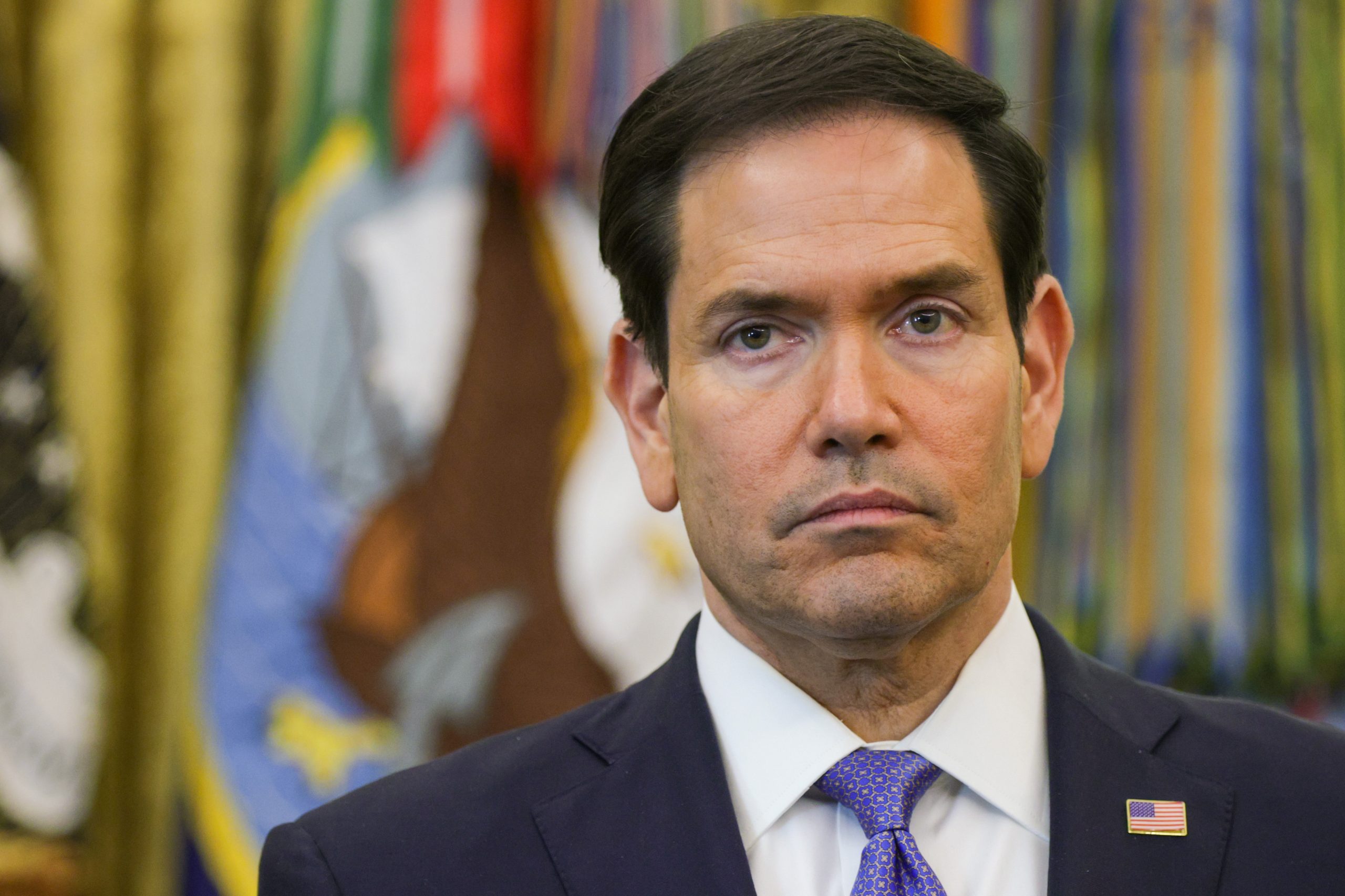
Marco Rubio is set to meet Pope Leo XIV and Cardinal Parolin in Rome, as Washington moves to ease tensions with the Vatican after recent clashes over Iran and criticism from President Trump The United States Secretary of State, Marco Rubio, is expected to arrive in Rome on 7 May for meetings with Vatican and Italian officials, in what is understood to be an effort by Washington to stabilise relations. The visit, confirmed by the Holy See Press Office, will include a meeting with the Pope and talks with Pietro Parolin, as well as senior figures within the Italian government. It comes almost a year to the day since the election of Pope Leo XIV, and marks the first senior-level engagement between the current US administration and the Vatican since the deterioration in relations prompted by the President’s remarks about the pontiff. Over the past month, President Donald Trump has publicly criticised Pope Leo in recent weeks over the Holy See’s opposition to the United States’ military action against Iran. In one post circulated on social media, the President described the Pope as “WEAK on Crime, and terrible for Foreign Policy”. The Vatican has not issued an official response to Rubio’s visit, but the Holy See has continued to articulate its position on the conflict. Speaking to journalists last month while travelling to Africa, Pope Leo said he had “no fear of the Trump administration, or speaking out loudly of the message of the Gospel”. The Pope has repeatedly criticised the use of military force, warning against what he described in a separate address as the actions of “tyrants” who expend vast resources on warfare. Rubio’s presence in Rome is also expected to include discussions with Italian officials, amid signs of strain between Washington and Rome. Italy’s Prime Minister, Giorgia Meloni, had been regarded as a close ally of the Trump administration, but relations have cooled following her criticism of the US position on Iran and her public disapproval of the President’s remarks about the Pope. She described the attacks as “unacceptable”, placing her government at odds with Washington on both diplomatic tone and policy substance. According to Italian press reports, Rubio’s visit was communicated to the government in Rome through diplomatic channels, with indications that efforts have been underway to “rebuild the bridge” between the two countries. Meetings are expected to include Foreign Minister Antonio Tajani, with further contacts under discussion. It remains unclear whether a meeting with Meloni herself will take place. The wider diplomatic context has been further complicated by tensions between the United States and other European allies. Recent statements from Washington have included threats to reassess troop deployments in Europe, including in Italy, Germany and Spain, following criticism from European leaders over the Iran campaign. Italian Defence Minister Guido Crosetto has rejected suggestions that Rome has failed to support US operations, particularly in relation to maritime security. Rubio’s role as a senior Catholic within the administration has been noted. The timing of the visit, with the United States approaching midterm elections later this year, has also attracted attention. Catholic voters remain a significant voting bloc in American politics, having come out in support for all presidential victories in recent history. Trump himself received an estimated 57 per cent of the Catholic vote in 2024. Whether Rubio’s meetings in Rome will succeed in easing tensions remains to be seen, but the decision to send the Secretary of State signals an acknowledgement within Washington that the President is seeking to ease relations with the Vatican.
May 4, 2026