

The Vatican
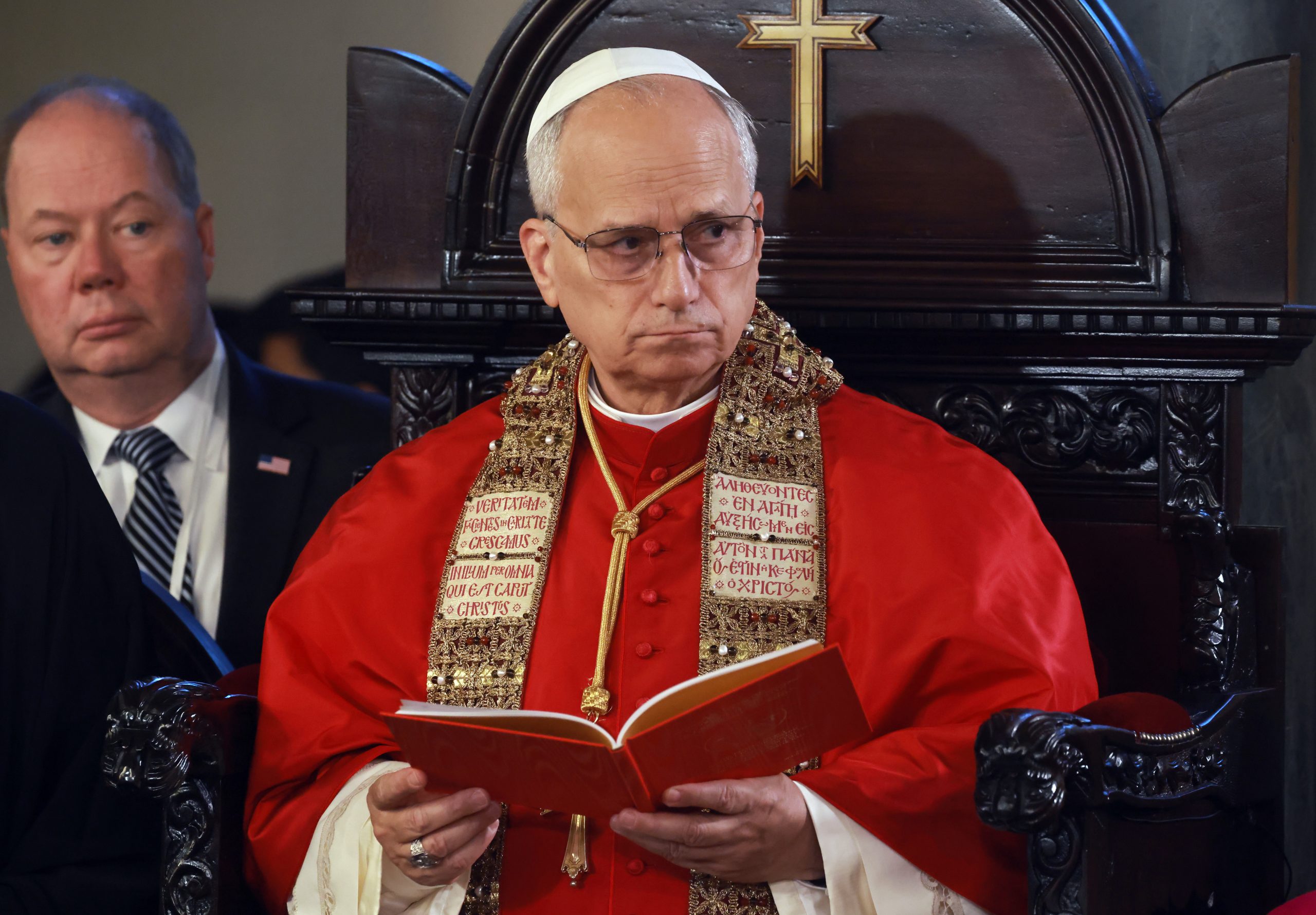
Pope Leo XIV’s first encyclical now expected later this month
Pope Leo XIV’s first encyclical, expected to address artificial intelligence, international peace and the crisis in international law, is now expected later this month after the Holy See Press Office indicated an announcement regarding the document will be made on May 22 Pope Leo XIV’s first encyclical, which was widely reported as being due to be signed today, is now not expected to be signed and published until later this month. According to reports from the German Catholic news agency KNA, it had been due to be signed on May 15. However, Matteo Bruni, director of the Holy See Press Office, told journalists that an announcement regarding the document will be made on May 22. Circulating under the provisional title Magnifica Humanitas , it is expected to address a range of issues including artificial intelligence, international peace and what sources describe as a crisis in international law. The encyclical follows earlier indications that the Holy See had been preparing a document focused specifically on artificial intelligence. At the beginning of February, reports pointed to work under way on a text examining the ethical and anthropological implications of emerging technologies. Pope Leo XIV has already spoken about the risks associated with technological development, warning of the dangers posed by “uncontrolled technology” and stressing the importance of safeguarding human dignity. According to reports, the encyclical will also address geopolitical instability and the perceived weakening of international legal structures. The document is expected to set out the Church’s response to some of the principal challenges facing humanity in the 21st century. The anticipated date of May 15 would have matched the signing and publication of Rerum Novarum , Pope Leo XIII’s best-known encyclical, which was issued on May 15, 1891. The document is regarded as the foundational text of modern Catholic social teaching and addressed the condition of workers during the industrial age. The same date was chosen in 1931 by Pope Pius XI for Quadragesimo Anno , which developed the Church’s teaching on social order and introduced the principle of subsidiarity. Thirty years later, on May 15, 1961, Pope John XXIII promulgated Mater et Magistra , which focused on economic justice and social development. However, with an announcement now expected on May 22, it is possible that the release date may instead coincide with John Paul II’s Ut Unum Sint , on ecumenism, which was issued on May 25, 1995, or Pope Leo XIII’s Annum Sacrum , which was issued on May 25, 1899 and consecrated the entire human race to the Sacred Heart of Jesus. The expected treatment of artificial intelligence would build on recent Vatican teaching. In January 2025, the Dicastery for the Doctrine of the Faith and the Dicastery for Culture and Education issued Antiqua et Nova , a joint note on “the relationship between artificial intelligence and human intelligence”. The document said AI could bring “important innovations” but warned that it also carried the danger of deepening inequality, manipulating public opinion and expanding “the instruments of war well beyond the scope of human oversight”. It added that artificial intelligence “should not be seen as an artificial form of human intelligence, but as a product of it”, and insisted that it “should be used only as a tool to complement human intelligence rather than replace its richness”. As yet, no date has been confirmed and the title Magnifica Humanitas remains provisional.
May 15, 2026
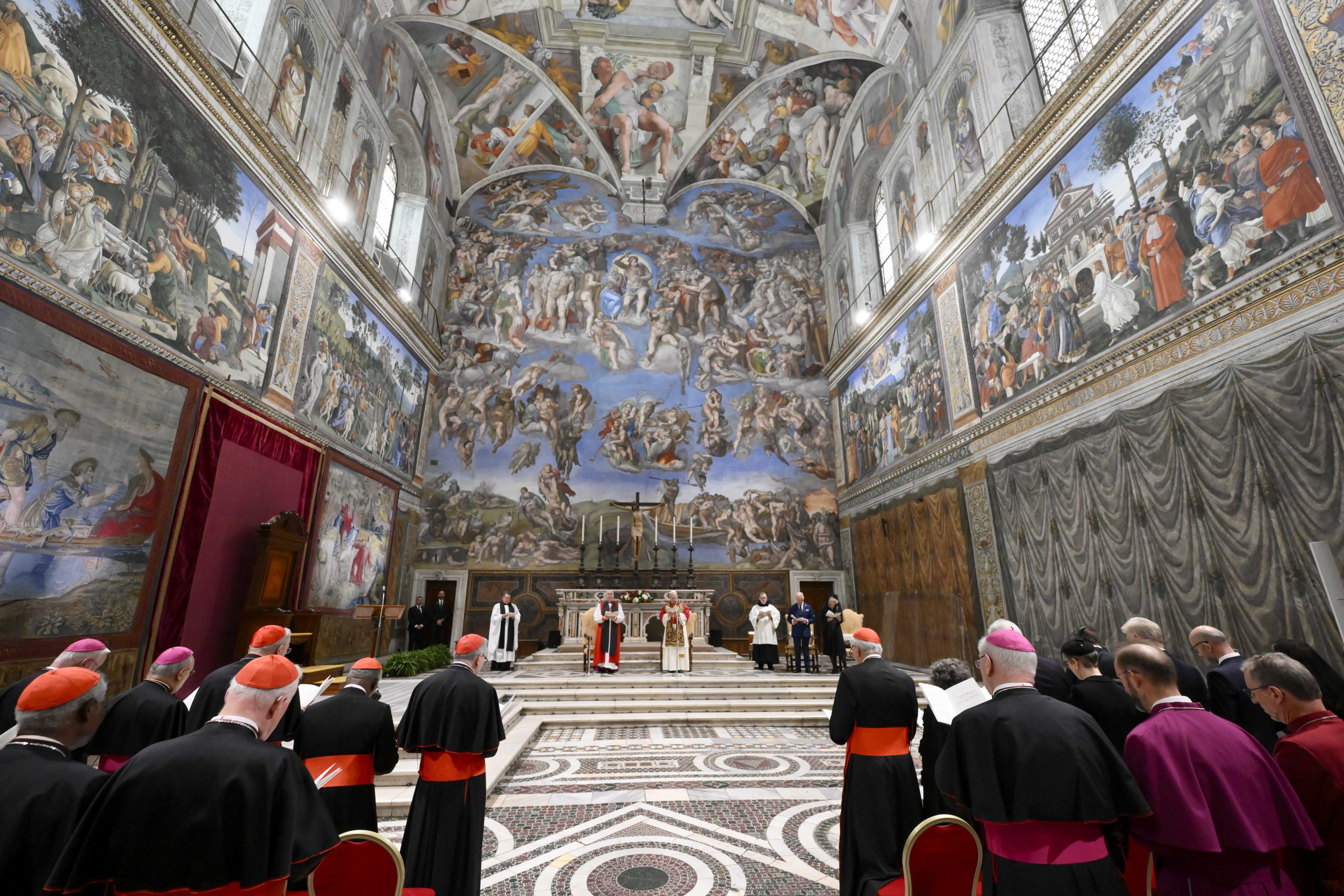
Vatican and US embassy clarify Iran ambassador’s papal honour
The Vatican and the United States Embassy to the Holy See have issued clarifications after Iranian media reports claimed Pope Leo XIV had personally granted a special honour to Iran’s ambassador to the Holy See The Vatican and the United States Embassy to the Holy See have both issued clarifications after Iranian media reports claimed that Pope Leo XIV had personally granted a special honour to Iran’s ambassador to the Holy See. Mohammad Hossein Mokhtari, the Iranian ambassador, was among 13 diplomats who received the Grand Cross of the Order of Pius IX during a ceremony held in the Vatican on May 12 for ambassadors who had completed at least two years of service accredited to the Holy See. Iranian state-linked outlets described the award as a significant gesture by the Pope towards Tehran, with some reports claiming the distinction recognised the ambassador’s efforts “to promote messages of peace, justice, and opposition to warmongering”. Iranian press suggested that “the award and the pope’s denunciation of the aggression are closely linked to the ongoing efforts of the Iranian embassy at the Vatican to promote messages of peace, justice, and opposition to warmongering”. The reports prompted criticism on social media and led to public clarification from both the Vatican and the American diplomatic mission to the Holy See. In a statement published online, the United States Embassy to the Holy See said: “Contrary to some reports, Pope Leo has not bestowed an exclusive special honour on the Iranian Ambassador to the Holy See. This decoration is given to all accredited ambassadors to the Holy See after 2+ years of service and has been standard practice for many years.” The Holy See press office confirmed the same account in comments to journalists, stating that the honour “is an award bestowed upon ambassadors after two years of service at the Holy See”. The Vatican added: “Yesterday, the Sostituto presented it to 13 ambassadors, including Iran’s ambassador.” The ceremony took place on the anniversary of Pope Leo XIV’s election and was presided over by Archbishop Paolo Rudelli, the substitute for general affairs of the Secretariat of State (Sostituto), who presented the insignia and official parchments to the diplomats. The certificates accompanying the awards were signed by Cardinal Pietro Parolin, the Vatican Secretary of State. The Order of Pius IX, also known as the Pian Order, is one of the principal papal orders of knighthood and is regularly conferred upon heads of state, royalty and ambassadors accredited to the Holy See. Although the Supreme Order of Christ and the Order of the Golden Spur formally rank above it, both honours have effectively fallen dormant. In practical diplomatic terms, the Order of Pius IX is regarded as the Holy See’s highest active distinction. The order was restored by Blessed Pius IX in 1847, though its origins date back to the 16th century under Pope Pius IV. Recent recipients have included King Charles III, who received the honour during his visit to the Vatican, as well as King Juan Carlos I of Spain, King Albert II of Belgium and King Carl XVI Gustaf of Sweden. Recipients of the Grand Cross wear a dark blue sash edged in red, together with a silver breast star bearing the insignia of the order. The original members of the order historically formed part of the papal lay court and accompanied the pope in ceremonial and official duties within the Apostolic Palace.
May 15, 2026
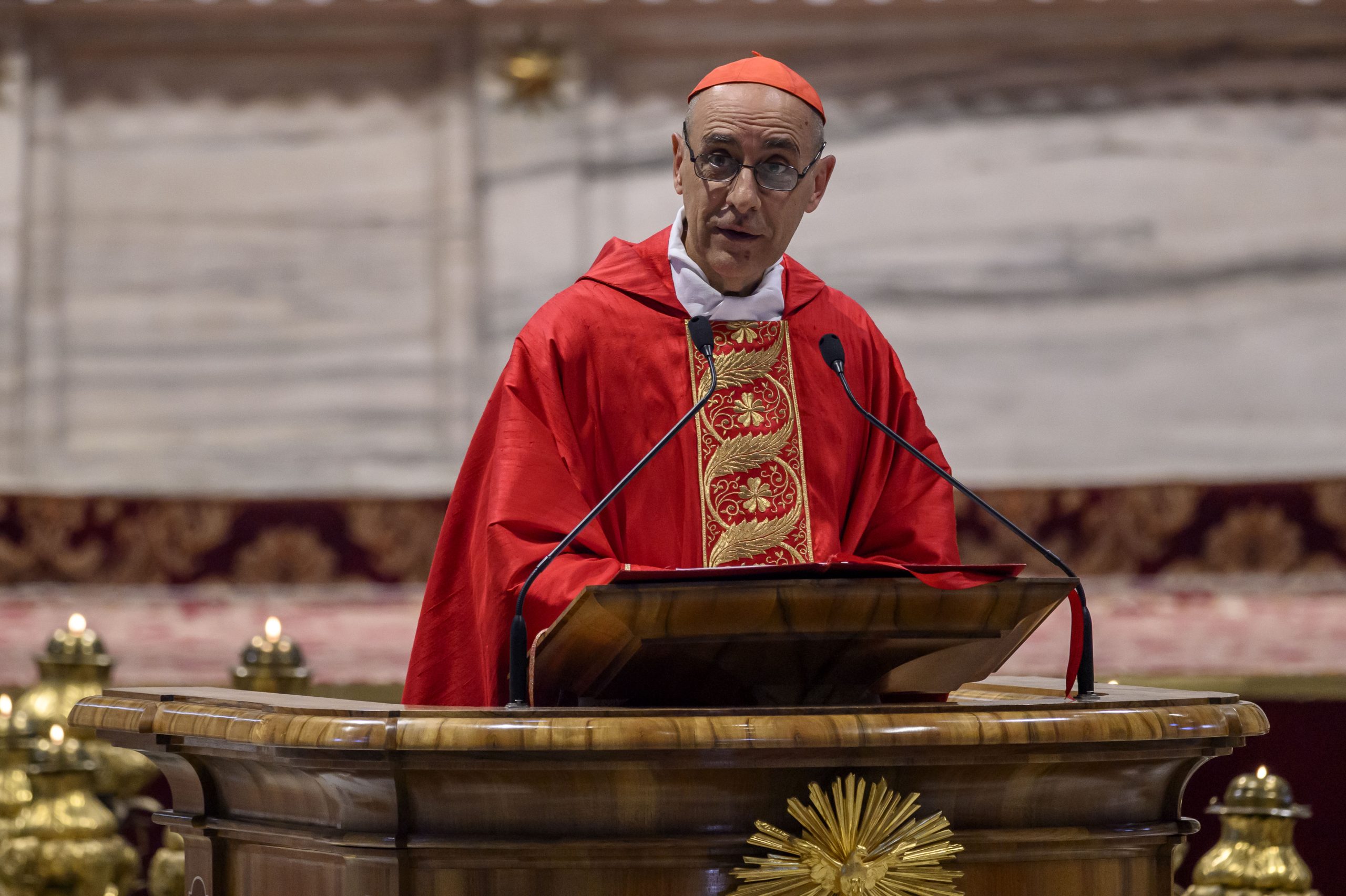
Cardinal Fernández releases statement on SSPX episcopal consecrations
Cardinal Víctor Manuel Fernández, Prefect of the Dicastery for the Doctrine of the Faith, has released a statement warning that planned episcopal consecrations by the Society of St Pius X risk constituting “a schismatic act” Cardinal Víctor Manuel Fernández has warned that the Society of St Pius X risks committing “a schismatic act” through episcopal consecrations without papal approval, in the first public intervention since the meeting with the SSPX on 12 February. In a statement released by the Dicastery for the Doctrine of the Faith on 13 May, the prefect said the planned SSPX episcopal ordinations “do not have the corresponding pontifical mandate” and reiterated the penalties attached under canon law to such an action. “The episcopal ordinations announced by the Priestly Society of Saint Pius X do not have the corresponding pontifical mandate,” Cardinal Fernández said. “This gesture will constitute ‘a schismatic act’ (John Paul II, Ecclesia Dei , n. 3), and ‘formal adherence to the schism constitutes a grave offense against God and entails the excommunication established by Church law’ ( ibid ., 5c; cf. Pontifical Council for Legislative Texts, Explanatory Note , 24 August 1996).” The statement concluded: “The Holy Father continues in his prayers to ask the Holy Spirit to enlighten the leaders of the Priestly Society of Saint Pius X so that they retrace their steps regarding the very serious decision they have taken.” The intervention followed reports earlier on Wednesday morning by Vatican correspondent Nico Spuntoni in the Italian newspaper Il Giornale that the Dicastery for the Doctrine of the Faith was preparing a text concerning the Society and the limits of its relationship with Rome. While no formal canonical decree has yet been issued, Cardinal Fernández’s statement closely resembles the warning sent to Archbishop Marcel Lefebvre shortly before the episcopal consecrations at Écône in 1988. On 17 June 1988, Cardinal Bernardin Gantin, prefect of the Congregation for Bishops, issued a public canonical warning to Lefebvre after the French archbishop announced that he intended to consecrate four bishops without pontifical mandate. “Since on June 15, 1988 you stated that you intended to ordain four priests to the episcopate without having obtained the mandate of the Supreme Pontiff as required by Canon 1013 of the 1983 Code of Canon Law, I myself convey to you this public canonical warning,” Cardinal Gantin wrote. His Eminence continued: “If you should carry out your intention as stated above, you yourself and also the bishops ordained by you shall incur ipso facto excommunication latae sententiae reserved to the Apostolic See in accordance with Canon 1382.” The letter concluded with a direct appeal to Lefebvre “in the name of Jesus Christ” to reconsider what it described as a grave act against the unity of the Church. Furthermore, the statement’s citation of a 1996 explanatory note issued by the Pontifical Council for the Interpretation of Legislative Texts recalls one of the strongest Vatican texts ever published on the canonical status of the SSPX. The 1996 document stated that the 1988 consecrations represented “the consummation of a progressive global situation of a schismatic character” and said that “the whole Lefebvrian movement is to be held schismatic”. It added: “As long as there are no changes which may lead to the re-establishment of this necessary communion, the whole Lefebvrian movement is to be held schismatic, in view of the existence of a formal declaration by the Supreme Authority on this matter.” The explanatory note also addressed Catholics attending SSPX chapels and clergy belonging to the Society. It distinguished between occasional attendance at SSPX liturgies and what it called “formal adherence to the schism”. According to the document, such adherence involved “a free and informed agreement with the substance of the schism” together with an external manifestation of separation from ecclesial communion. The text said that in the case of SSPX priests and deacons “there seems no doubt that their ministerial activity in the ambit of the schismatic movement is a more than evident sign” of formal adherence. The SSPX was founded in 1970 by Archbishop Lefebvre, a former superior general of the Holy Ghost Fathers and one of the leading conservative critics of Vatican II. Tensions between the Society and Rome escalated throughout the 1970s and 1980s over liturgical reform, ecumenism, collegiality and religious liberty. The crisis culminated on 30 June 1988 when Lefebvre consecrated four bishops at Écône without papal approval. The Holy See responded by declaring that Lefebvre, Bishop Antônio de Castro Mayer and the four newly consecrated bishops had incurred automatic excommunication. Two days after the consecrations, Pope St John Paul II issued the motu proprio Ecclesia Dei adflicta , describing the consecrations as “a schismatic act”. Relations improved significantly under Pope Emeritus Benedict XVI. In 2009 he lifted the excommunications of the four bishops as part of an attempt to facilitate reconciliation, though the Society’s canonical status remained unresolved. Pope Francis later granted SSPX priests faculties to validly hear confessions during the Year of Mercy, later extending the provision indefinitely. Local bishops were also authorised under certain conditions to delegate SSPX priests to witness marriages. Despite those concessions, doctrinal discussions between Rome and the Society have remained stalled for years, particularly over the interpretation of Vatican II and the authority of post-conciliar reforms. The Vatican statement issued on Wednesday is the first direct intervention from the doctrinal dicastery since the 12 February meeting with SSPX superior Fr Davide Pagliarani, which the dicastery described as “cordial and sincere”. The DDF reiterated that the ordination of bishops without a mandate from the Roman Pontiff would entail “a decisive rupture of ecclesial communion”, namely “a schism”, with “grave consequences for the Society as a whole”, the dicastery noted. For that reason, it proposed suspending the episcopal ordinations announced for 1 July 2026, which had been declared without papal approval. However, the SSPX rejected the proposal in a communiqué and decided to proceed with the episcopal consecrations.
May 13, 2026
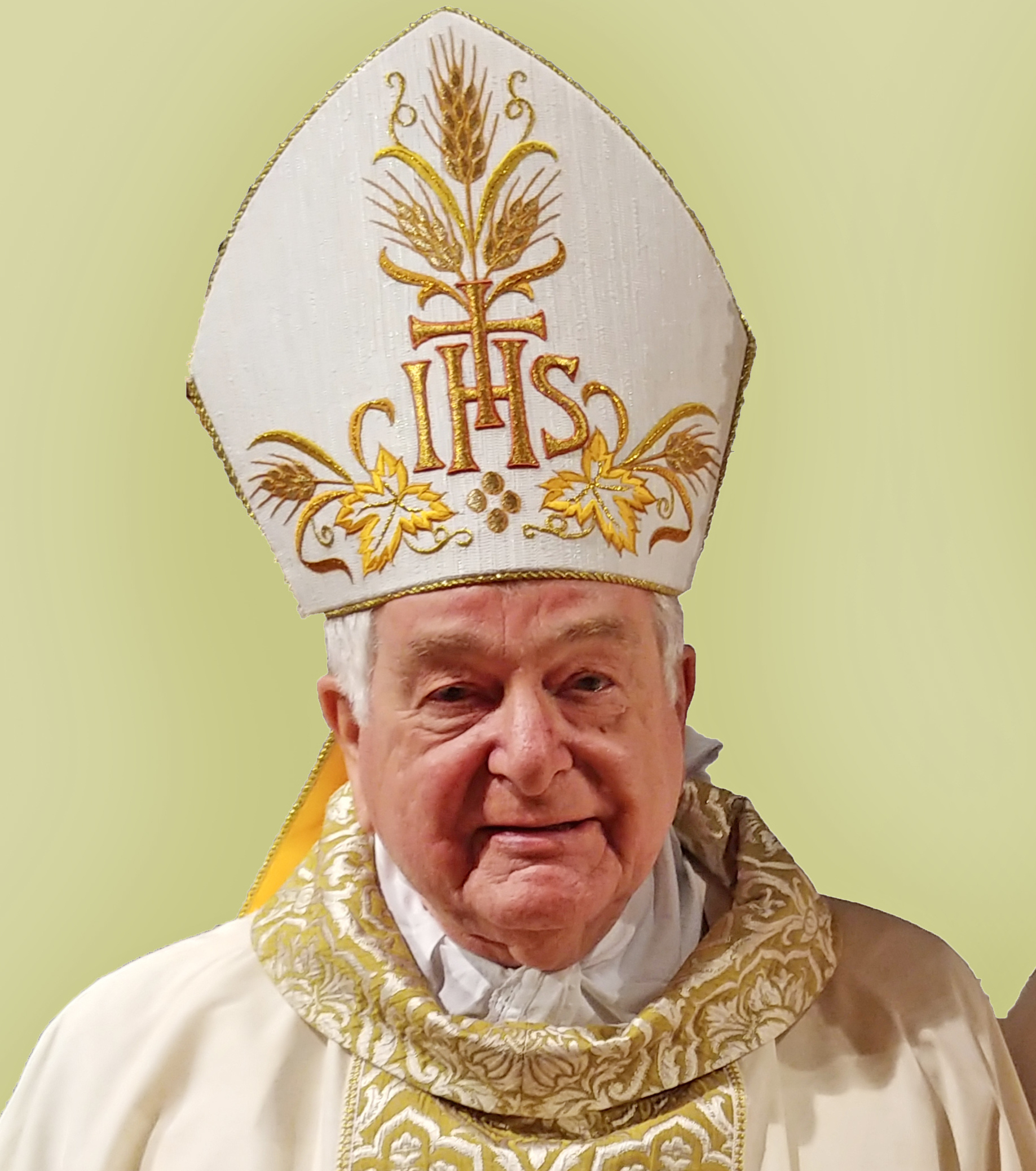
Cardinal Emil Paul Tscherrig, first non-Italian nuncio to Italy, dies aged 79
Cardinal Emil Paul Tscherrig, the first non-Italian to serve as Apostolic Nuncio to Italy and San Marino, has died at the age of 79. The Swiss diplomat served the Holy See across four continents during a diplomatic career spanning almost five decades and later took part in the 2025 conclave as a cardinal elector Cardinal Emil Paul Tscherrig, the former Apostolic Nuncio to Italy and San Marino and the first non-Italian to hold the post, has died at the age of 79. His death on 12 May was confirmed by multiple Vatican sources to AdVaticanum and reported by the Italian outlet Silere Non Possum . No cause of death has yet been announced. Born in Unterems, Switzerland, on 3 February 1947, Tscherrig was ordained a priest for the Diocese of Sion on 11 April 1974. He later earned a doctorate in canon law from the Pontifical Gregorian University in Rome before entering the diplomatic service of the Holy See in 1978. Over the following decades, he served in apostolic nunciatures across the world, including in Uganda, South Korea, Mongolia and Bangladesh, while also working in the Secretariat of State during the pontificate of Pope St John Paul II. In 1996, Pope St John Paul II appointed him titular archbishop of Voli and Apostolic Nuncio to Burundi. Cardinal Angelo Sodano, then Secretary of State, presided at his episcopal consecration in Rome on 27 June that year. Tscherrig later represented the Holy See across the Caribbean, serving as nuncio to Trinidad and Tobago, the Dominican Republic, Jamaica, Grenada, Guyana, Saint Lucia, Saint Vincent and the Grenadines and the Bahamas, before receiving further appointments to Barbados, Antigua and Barbuda, Suriname and Saint Kitts and Nevis. In 2004, he was appointed Apostolic Nuncio to South Korea and Mongolia by Pope St John Paul II, before Pope Emeritus Benedict XVI named him nuncio to the Nordic countries in 2008, with responsibility for Sweden, Denmark, Finland, Iceland and Norway. He was appointed Apostolic Nuncio to Argentina on 5 January 2012. Following the election of Pope Francis in March 2013, Tscherrig revealed that the newly elected pontiff had telephoned him personally on the night of the conclave to ask that Argentine bishops and faithful not travel to Rome for the inauguration Mass. According to Tscherrig, Pope Francis said they should instead “give to the poor what they would have spent on the journey”. In September 2017, Pope Francis appointed him Apostolic Nuncio to Italy and San Marino, making him the first non-Italian diplomat ever chosen for the role, a position traditionally reserved for Italians because of its importance in relations between the Holy See and the Italian episcopate. Francis later elevated him to the College of Cardinals during the consistory of 30 September 2023, assigning him the deaconry of San Giuseppe in Via Trionfale. At the time of his death, Cardinal Tscherrig was a member of the Supreme Tribunal of the Apostolic Signatura, the Dicastery for Bishops, the Dicastery for the Causes of Saints and the Dicastery for Evangelisation. He also served on the Commission of Cardinals for the Supervision of the Institute for the Works of Religion, commonly known as the Vatican Bank. He retired as nuncio to Italy and San Marino in March 2024 and later participated as a cardinal elector in the 2025 conclave. Image credit: By Pufui PcPifpef – Own work, CC BY-SA 4.0, https://commons.wikimedia.org/w/index.php?curid=110190296
May 12, 2026
Pope Leo XIV’s first year and the future of the Traditional Mass
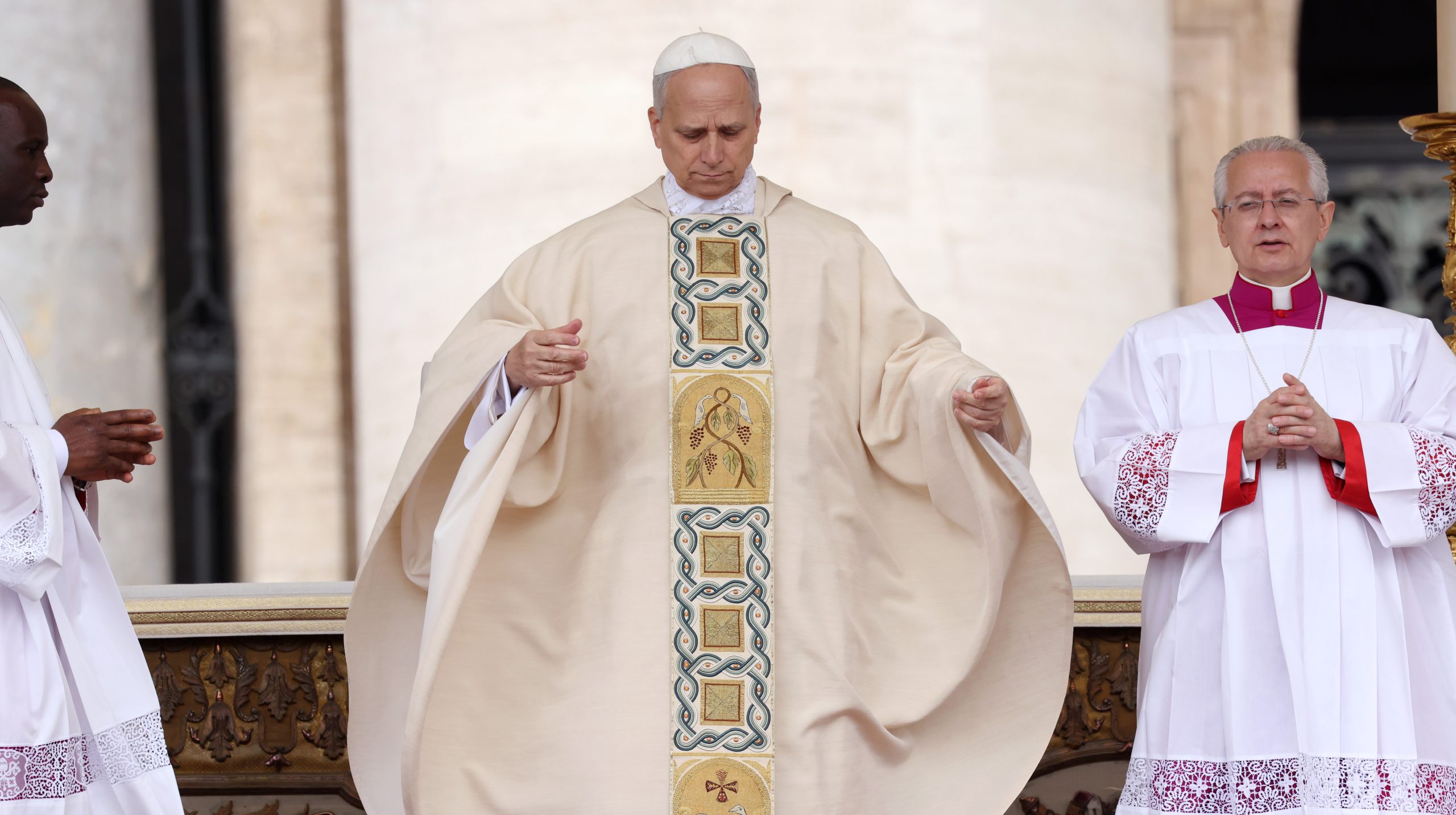
Dr Joseph Shaw, philosopher and chairman of the Latin Mass Society, examines Pope Leo XIV’s approach to the Traditional Mass, Traditionis Custodes and the question of the SSPX a year after the Pope’s election. The first question for the Catholic press about a new pope is inevitably where he sits on the ideological spectrum: will he support readers’ causes and punish their opponents? Popes are complicated figures, however, and do not arrive neatly labelled. The first indication of the Holy Father’s ideological allegiance came before his election, when the journalist Jaime Gurpegui encountered Austin Ivereigh and Fr James Martin SJ in a street in Rome. It was a moment when Cardinal Prevost’s handling of a clerical abuse case in his former diocese in Peru was being discussed in the media, and Ivereigh was upset about this. The encounter suggested that two of the best-known supporters of Pope Francis regarded Prevost as “their man”. His election a few days later was indeed welcomed by many who had been looking for a “continuity candidate” to continue the work of Pope Francis. What we have been told about the conclave suggests a more complicated story, however. The progressives’ candidate was Cardinal Pietro Parolin, the Secretary of State; conservative cardinals had backed the Hungarian Cardinal Péter Erdő. The story appears to be that the conservative bloc of votes went to Prevost, as a compromise candidate, after the initial ballots, before Parolin’s supporters accepted the inevitable. There are many possible explanations for why Fr Martin’s favoured candidate did not immediately secure the support of the largest bloc of more liberal cardinals, and we will never know all the factors involved. Now he is Pope, we can more usefully judge him by his actions. The very first thing we saw of the newly elected Pope Leo when he appeared on the balcony and greeted the people was that he was wearing the traditional red papal mozzetta, a garment worn by all the modern popes except Pope Francis. Indeed, Leo wears it frequently on formal occasions, for example when first meeting the President of Italy. To read this as a rebuke to Francis might be too strong, but it adjusts the dial of formality, a dial that every pope can turn as he sees fit. In the same spirit, he has restored the throne used at public Masses by Pope Benedict and rejected by Pope Francis. Pope Leo has also undone a series of decisions made by Pope Francis. The issues involved are not headline-grabbing: a reorganisation of the Diocese of Rome; the rent charged to cardinals and others in housing owned by the Vatican; the role of the Vatican Bank in regulating financial matters; and a commission to promote fundraising. If there is a political angle to these, it may have more to do with personalities than deep theological principles. Nevertheless, it reminds us that what one pope does, another can undo: a reality demonstrated by Pope Francis himself when he overturned the legal framework established by his predecessor, Pope Benedict XVI, for the Vetus Ordo. One rumour that circulated around Pope Leo when he was first elected was that he himself had celebrated the Traditional Mass. No witness to these celebrations was willing to be identified, however, and the rumour now appears to be untrue. What he has done, on the subject of the Traditional Mass, is give permission for its celebration by Cardinal Raymond Burke in St Peter’s in October 2025, as the centrepiece of the annual traditionalist Ad Petri Sedem pilgrimage. It is unclear whether he will grant permission again this year. He may have been displeased by the triumphalist tone of some of the media coverage of last year’s Mass, which was attended by an overflowing congregation. Nevertheless, he has continued his series of private audiences with supporters and representatives of the Vetus Ordo, including Cardinal Raymond Burke, the most powerful and consistent supporter of the ancient liturgy in the Curia; Bishop Athanasius Schneider of Kazakhstan, its best-known episcopal supporter; Fr John Berg, the Superior General of the traditionalist Fraternity of St Peter; and Prof Stephen Bullivant, a sociologist of religion whose most recent research, soon to be published, concerns Catholics attached to the Traditional Mass in the United States. Unsurprisingly, Pope Leo has also seen many people from other parts of the spectrum of opinion, including the ubiquitous James Martin SJ, but he has not found time to see Fr Davide Pagliarani, Superior General of the traditionalist but canonically irregular Society of St Pius X. No one could begrudge Pope Leo speaking to people on all sides of the argument in order to inform himself, but excluding Fr Pagliarani is not easy to understand. The SSPX is planning to carry out the consecration of new bishops without the permission of the Holy See, an act that would incur automatic excommunication for those most directly involved and, it is widely argued, would trigger a formal schism. These consecrations are scheduled for July 1 and inevitably form a backdrop to everything else connected with the traditional liturgy. The founder of the SSPX, the French Archbishop Marcel Lefebvre, carried out such consecrations in 1988. This led to the excommunication of the consecrators and those consecrated, but was also the occasion for Pope St John Paul II to approve new priestly institutes dedicated to the Traditional Mass which distanced themselves from Lefebvre. Pope St John Paul II was at pains to distinguish the question of the liturgy from the question of obedience, writing in his Apostolic Letter Ecclesia Dei that traditional Catholics had a “rightful aspiration” to the ancient Mass, an aspiration that should be met in the context of healthy liturgical pluralism. Pope Francis appeared to merge the two issues in 2021, in his own Apostolic Letter Traditionis Custodes and the accompanying letter, when he suggested that the Vetus Ordo and liturgical pluralism were intrinsically problematic. The closest we have yet come to a fresh statement of policy from Pope Leo is his message to the bishops of France, conveyed to a meeting of their Episcopal Conference in a letter from Cardinal Parolin. This asked them to look for “practical solutions” to the question, with a view to “the generous inclusion of persons sincerely attached to the Vetus Ordo”. The irony of this letter is that what is stopping bishops finding practical solutions is papal legislation – Traditionis Custodes – which prevents them from setting up personal parishes, recognising new “groups” of the faithful attached to the Traditional Mass, allowing recently ordained priests to celebrate the Vetus Ordo publicly, and fostering long-standing celebrations in parishes without permission from the Dicastery for Divine Worship: a permission that has not always been forthcoming. There are many ways in which Traditionis Custodes could be neutralised, not all of which require a humiliating public renunciation of Pope Francis’s thinking. One indication of a change in the way the law is being applied was given when Britain’s papal nuncio told the bishops of England and Wales that permissions would be granted for the celebration of the Traditional Mass in parish churches. This would be enough to relieve many local frustrations and conflicts, but it would not be enough to rebuild trust with the SSPX. If Pope Leo wants to begin doing that, something more public and dramatic will be required. Now that a full year has passed since his election, we may see some bolder moves from the Holy Father, such as changes of personnel: for example, the Prefect of the Dicastery for Divine Worship, Cardinal Arthur Roche, has so far been kept in post despite being past retirement age. On the SSPX, it would be surprising if any pope watched a group move into schism with indifference: we will see whether Pope Leo finds his inner John Paul II.
May 8, 2026
Pope Leo XIV’s first year has brought calm, not resolution
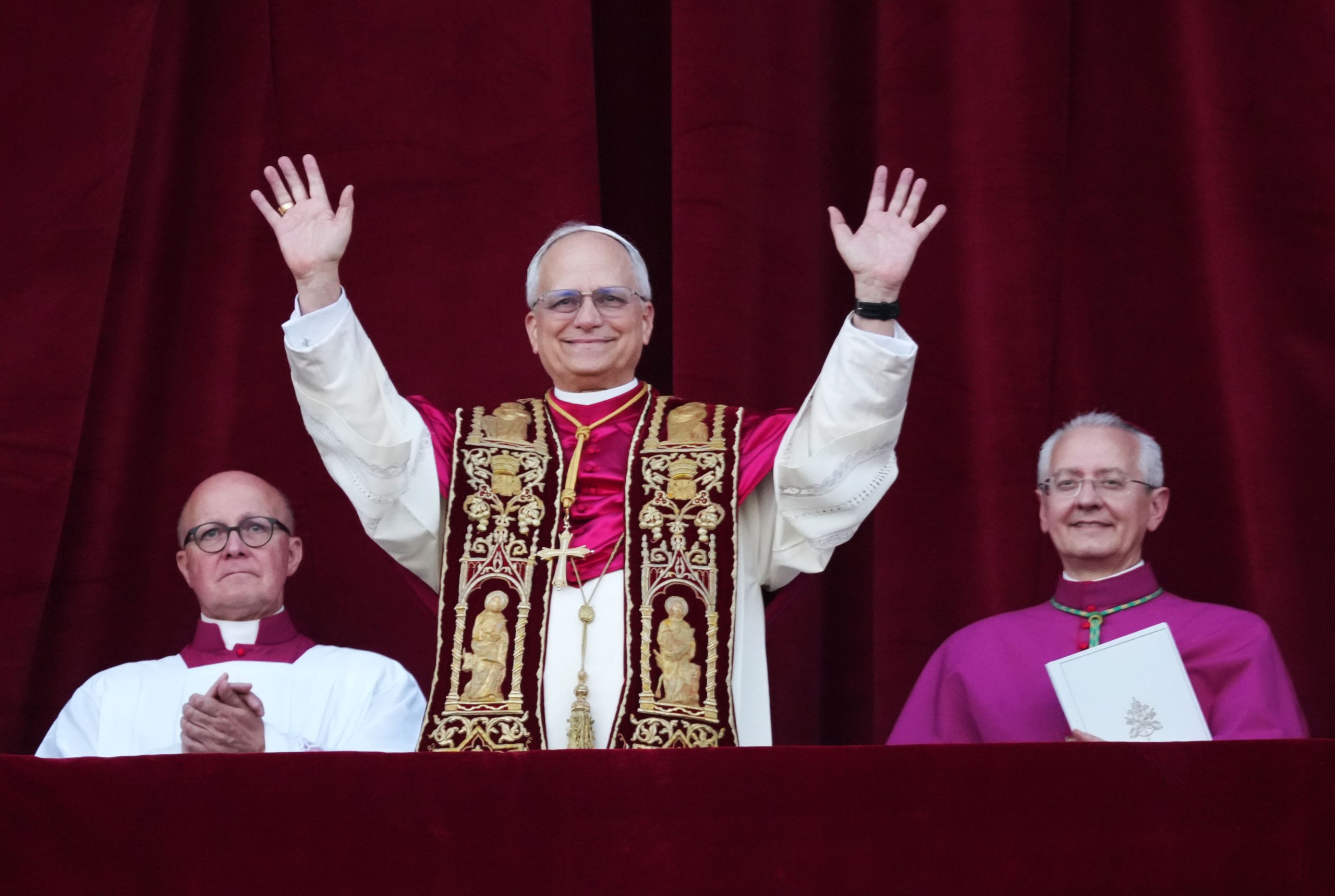
One year after his election, Pope Leo XIV remains widely respected and personally popular, yet many of the deepest crises inherited from Francis remain unsettled Greeting the eager eyes of the world for the very first time one year ago, Leo XIV laid out his papal style by citing his spiritual father, St Augustine. Twelve months later, the Church he inherited remains largely just as troubled, and though Leo himself is beloved by many, he is yet to deliver notable resolutions to the various conflicts in the manner that was predicted of him. Emerging onto the Loggia in the early evening of May 8, 2025, Leo XIV presented a genial figure and, bedecked in the traditional mozzetta and stole rejected by Pope Francis, was greeted warmly. For all the rhetoric about necessary change proposed by ardent papal apologists during the Francis era, Leo’s use of traditional papal attire made an instant and undeniable positive impression on the crowd. In assessing his first year as pope, it is clear that those who immediately sought to portray him as a reborn St Pius X or an ardent champion of the most heterodox causes have both been confounded. Francis’ reign led to continuous spicy headlines, and his off-the-cuff remarks brushed aside centuries of Tradition in favour of the Argentine’s personal theology. Leo is not as easy to pin down: he is neither revolutionary nor a “rigid” traditionalist. If a label is needed, Leo appears to resemble John Paul II more than his other two immediate predecessors, for both better and worse: charismatic in character, quietly and confidently rooted in his own persona, conservative to a certain extent in liturgy and reverent, but not ardently traditional, orthodox in morality, but sometimes seemingly blind to pressing issues, or simply reluctant to act. For those to whom the latter part of such an assessment seems too critical, one must not forget that a number of pressing scandals and personal appointments remain unaddressed. True, Leo’s style does not appear oriented towards instant action, nor towards breaking the laws of diplomatic courtesy. That can indeed be a positive trait – especially after a pontificate of such turmoil, but in some cases, such as the immense scandal and ecclesial devastation caused by the Francis-era appointment of Cardinal Victor Manuel Fernández, urgent action is not just appropriate but necessary. So what are the most controversial issues Leo has inherited? There is, of course, the infamous Sino-Vatican deal, but given that it is not due for renewal until 2028, Leo will likely feel less pressure over it. So far, though, the Leonine Vatican has continued the previous style of appeasement towards Beijing, seemingly allowing China to pull the strings. This is in large part due to Cardinal Pietro Parolin remaining as Secretary of State. Amoris Laetitia and the scandal of allowing the divorced and “re-married” to receive Communion remain as grave a crisis as when the document was signed by Francis in 2016. Leo has convened a meeting of bishops to discuss the matter in October, and it is the opinion of this correspondent that, at that event or shortly afterwards, the American pope might overturn this element of Francis’ text, albeit in a veiled manner. Should he fail to do so, however, it will likely be seen as one of the most egregious moments of his pontificate. Fiducia Supplicans also remains in force, although Leo appears to have undermined the ill-fated text in recent weeks when he stated that “the Holy See has made it clear that we do not agree with the formalized blessing of couples, in this case homosexual couples, as you asked, or couples in irregular situations, beyond what was specifically, if you will, allowed for by Pope Francis in saying all people receive blessings.” Debate has raged over this line, as to whether Leo was supporting FS or rejecting it, but there is no doubt that the text calls for the blessing of couples and that, by prohibiting such blessings, Leo has softly closed the door. Herein lies the essence of much of Leo’s style. His is a gentle, diplomatic approach, and one much needed. Leo is never going to be the pope who formally overturns the actions of an immediate predecessor, unlike Francis. Rather, he favours re-presenting Catholic teaching anew, quoting just enough of Francis to show continuity in the papal line before then diverging from Francis in content in favour of the Church’s tradition. On more than one occasion, Leo has employed a trademark phrase of Francis’, used by the Argentine to cloud Church teaching, before adding his own twist in order to clarify the matter at hand. He is a man of purpose and of listening. Also evident from his speeches and homilies is the extent of his personal learning and active spirituality. Commenting at the time of his election, many cardinals praised his ability to build bridges between warring parties and satisfy everyone. So far, Leo has certainly attempted to do just that. On the issue of the traditional Mass, another problem inherited from Francis, he made waves by allowing Cardinal Raymond Burke to offer a high-profile Mass for the annual Latin Mass pilgrimage to the Vatican. It was an event laden with significance, and Leo even endured criticism for it from within the Curia. He believed strongly enough in the importance of allowing the event to proceed that he was willing to endure the grumblings of others. But at a certain point, the papacy will force him to act in a way that being a diocesan bishop and Curial prefect did not, namely to decide in such a way as to leave only one side happy. As pope, he has stated that his ministry “is distinguished precisely by this self-sacrificing love, because the Church of Rome presides in charity and its true authority is the charity of Christ.” Leo appears to be a man keen to honour truth, law and basic justice in a way that could not always be said of Francis. He is committed to a fairly permissive degree of listening to differing views and then acting with an informed mind. However, in order to preserve unity based on Christ, Leo will eventually have to leave the heterodox ecclesial lobby unhappy, and whether or not he has the strength to do so will determine the efficacy of his papacy.
May 8, 2026