

Latest
A (Catholic) Communist Manifesto
Is the future of Catholicism communal? Oscar Yuill argues that Catholics should begin thinking seriously about communal living and sets out his proposals for a new Catholic land movement When, late last year, I moved into a comfortable house in East Sussex (specifically Brighton), my dream of living on a Catholic commune of the Dorothy Day variety faded into the background. Until, that is, I realised that one of my favourite writers, the painter-poet David Jones, had joined a Catholic artists’ commune in Ditchling, a mere twenty-minute drive away. I then discovered that my soon-to-be newborn son’s godparents, as well as a growing number of our fellow parishioners, are entertaining similar notions. Coincidence began to look a lot like providence; the dream, a reality. Reality, of course, has the especially unwelcome habit of asserting itself. The obstacles to realising anything like a Catholic commune are, in Britain at least, legion. Even on privately owned land, the building of so much as a toilet, let alone a chapel, requires planning permission from the local council. There are agricultural restrictions on what and how much one can grow. Tax law is, as ever, a living nightmare, which is to say naked, broad-daylight, open, overt, explicit, gleeful, unapologetic robbery achieved by means of a Byzantine labyrinth of small print, instilling in the taxpayer a sense of Kafkaesque futility and ultimate despair. Still, it is precisely these hindrances that incentivise the growing anti-statism, not to be confused with libertarianism, that animates people like me to think of these alternative living arrangements. Catholics especially must now ask whether the country in which they live is a country in which they have a secure future. Our moral convictions have long been ridiculed, amounting to a sort of de facto criminalisation. Now, though, the persecution is increasingly de jure , as shown by Isabel Vaughan-Spruce’s numerous arrests and, recently, criminal charge. Nor is it difficult to imagine a future in which Parliament passes a more subtle version of the Terminally Ill Adults (End of Life) Bill, or, as I like to call it, Harold Shipman’s Law, under which Catholics faithful to the duty of palliative care, including towards their only family members, face significant legal repercussions. The Covid lockdowns showed that the State is quite willing to prevent, with force if necessary, the celebration of Easter. The rapid growth of Islam, driven not just by mass immigration but by a dismal indigenous fertility rate, seems likely to drive distinctly Christian moral values farther and farther from the range of tolerable opinion. Moreover, Britain is perched atop a number of economic time bombs, such as the inevitable implosion of the pension system. Inflation remains high, wages stagnant, debt astronomical. Trump’s (i.e. Israel’s) war against Iran will be seen by future historians as a catalyst for our impending financial meltdown. All will be affected. If, then, the “prepper” mentality has begun to seep into the Christian mindset, that is because the writing is very much on the wall. But since when was the Gospel an optimist’s creed? There was always a kind of improbable insanity to the command to give all that one has to the poor, to strive for meekness rather than pride, for forgiveness rather than revenge, for peace rather than conquest. Nietzsche called it “the transvaluation of values”; and indeed the whole history of Christendom could with justice be described as a periodic attempt to ask which values, exactly, it was committed to. As the meme puts it: Which way, western man? The Cluniacs and the Cistercians attest to this pattern of renewal. The Gospel refreshes and restores moribund people, places and institutions, much as the water from Christ’s side splashed onto Longinus’ eyes, healing his partial blindness. If, then, I am far from optimistic, I remain abundantly hopeful that, in the not too distant future, East Sussex, or Scotland or France or Italy (we have cast a wide net), may see the genesis of a Catholic land movement. Which brings me to the nub of this essay: by what Ordo shall our little community be governed? The Rule of Saint Benedict seems the obvious solution. Yet there is no getting round the fact that this foundational masterpiece of brevity, sanity and spiritual moderation is intended for monasteries proper. It also contains some quite hearty endorsements of corporal punishment, and, while my grandfather often spoke with misty-eyed nostalgia of “the cane”, our prospective communist gang would rather spare the rod. No, we shall need a more “contemporary” regula. To wit, I offer the following ten broad brushstrokes: To gain admittance, all visitors will be forced at hoe-point to recite the Nicene Creed. Roosters caught crowing during the Angelus shall be summarily casseroled. All conversation, including about the weather, shall be conducted in one of the eight Gregorian psalm tones. No less than 75 per cent of arable land shall at any time be dedicated to viticulture. A tiered system of preferential treatment shall apply to all Protestant visitors. Calvinists shall be informed that their accommodation, the pigsty, was double predestinated, so there’s no use complaining. Anglicans are required to fold thirty-nine articles of clothing before they are permitted to leave. Quakers must sit in silence for the duration of their stay. A large rock shall be placed at the highest point in the commune. Orthodox visitors must hug said rock while chanting “Peter, Peter, Peter,” etc. until such time as the Great Schism of 1054 is miraculously forgotten. We shall have a moat. State-employed homeschooling auditors shall be cast into the moat. Rescue to be contingent upon their observance of Rule No. 1. A feast day for G.K. Chesterton shall be inserted into the General Calendar; on this day, all fences shall be mended. Anyone found using technology invented after the Casio F-91W digital watch, the indisputable zenith of human technological achievement, shall be forced, again at hoe-point, into exile for an arbitrary period. The Casio rule is apt. I have owned several good mid-range watches. None of them lasted longer than three or four years, and I take care of my possessions. I then switched to using my smartphone, which simply increased the time I spent on my smartphone. So, I decided to go back to basics. The Casio F91-W has retained the same design for 35 years: a clock, an alarm clock and a stopwatch. It’s timeless (if you’ll pardon the pun), classless and reliable. It’s also painfully, albeit endearingly, unfashionable. Louis Theroux was seen sporting one in his documentary Inside the Manosphere , a refreshing Everyman rebuke of the gaudy Rolexes worn by his unwitting (and witless) victims. (It seems Osama bin Laden was also a Casio devotee, but the company chose not to lead with that particular endorsement.) It does the job. Three million are manufactured annually. The Amish would approve: they trial new technologies to determine whether they benefit the community. One thinks, as well, of the British economist E.F. Schumacher’s wheelbarrow. A Catholic convert, Schumacher wrote that good technologies should answer to needs, not desires; they are usually cheap and scalable, and tend to lighten labour without adding unnecessary headaches. The wheelbarrow was his favourite example: invented some 3,500 years BC, and still to be seen in every garden and building site in the world. Schumacher’s most famous book is titled Small Is Beautiful . That, it seems to me, must be the governing philosophy of any Catholic commune worth its salt, lest the whole enterprise degenerate into an unnecessarily cumbersome replica of the modern world, a sort of ridiculous LARP, instead of a haven from it. No use living off the land and praying by candlelight if one creeps back to the glowing laptop and the latest Catholic ragebait. The Pope said WHAT?! Indeed, much as the internet siphons people away into little cultic feedback loops, adherents of the Catholic land movement must guard against setting themselves over and above the “normie” world of everyday parish life. This is already a danger. Catholics attracted to communal living are likely sympathetic to the Traditionalist liturgical movement as a whole, and that movement, while often unfairly traduced, can no longer deny that parts of it harbour schismatic tendencies. Whatever one’s view of the SSPX’s planned consecrations this coming July, I suspect most fair-minded Catholics see both sides, it is difficult to deny how the Society may drift farther and farther from the centre and become, in the end, something like the Old Catholics: a voice crying wolf in the wilderness. Certainly, the perceived heroism in this stance can be attractive. But the octogenarian extraordinary Eucharistic minister at one’s local parish is as dear to God as the Texan Thomist whingeing about Pachamama for the third time that week. If there are no atheists in foxholes, there ought to be no Catholics in bunkers. A Catholic commune should be porous to outside involvement and contribution. A fine example is Worth Abbey, which I found, on my first visit, both mysteriously forbidding and delightfully welcoming. Visitors are free to peruse the gift shop, which has an electronic honesty box for payment, as well as the main church and the abbey grounds. But there are clear limits, too, as my wife and I found when a brother gently told us off for having trespassed, by accident, into the monks’ private gardens. Many of those monks have spent time living in Brighton as “Monks in the City”, an initiative for bringing the monastic mindset to the churn of secular city life, and they, in turn, are nourished by the lay concerns they encounter. We are treading carefully, my wife and I. To live on a commune, whether Catholic or tie-dyed-in-the-wool hippy, is no small ask, affecting everything from finance to privacy and healthcare to parenting. It may never happen. But I hope it does. The case is there: many young people already live with their parents to save money. A Catholic commune is, in one sense, merely a spiritualised extension of this intergenerational principle. And if such arrangements were the norm in the past, they may, perhaps, not be entirely abnormal in the future.
Jun. 1, 2026
Italian bishop urges Catholics to evangelise Muslims living in Europe
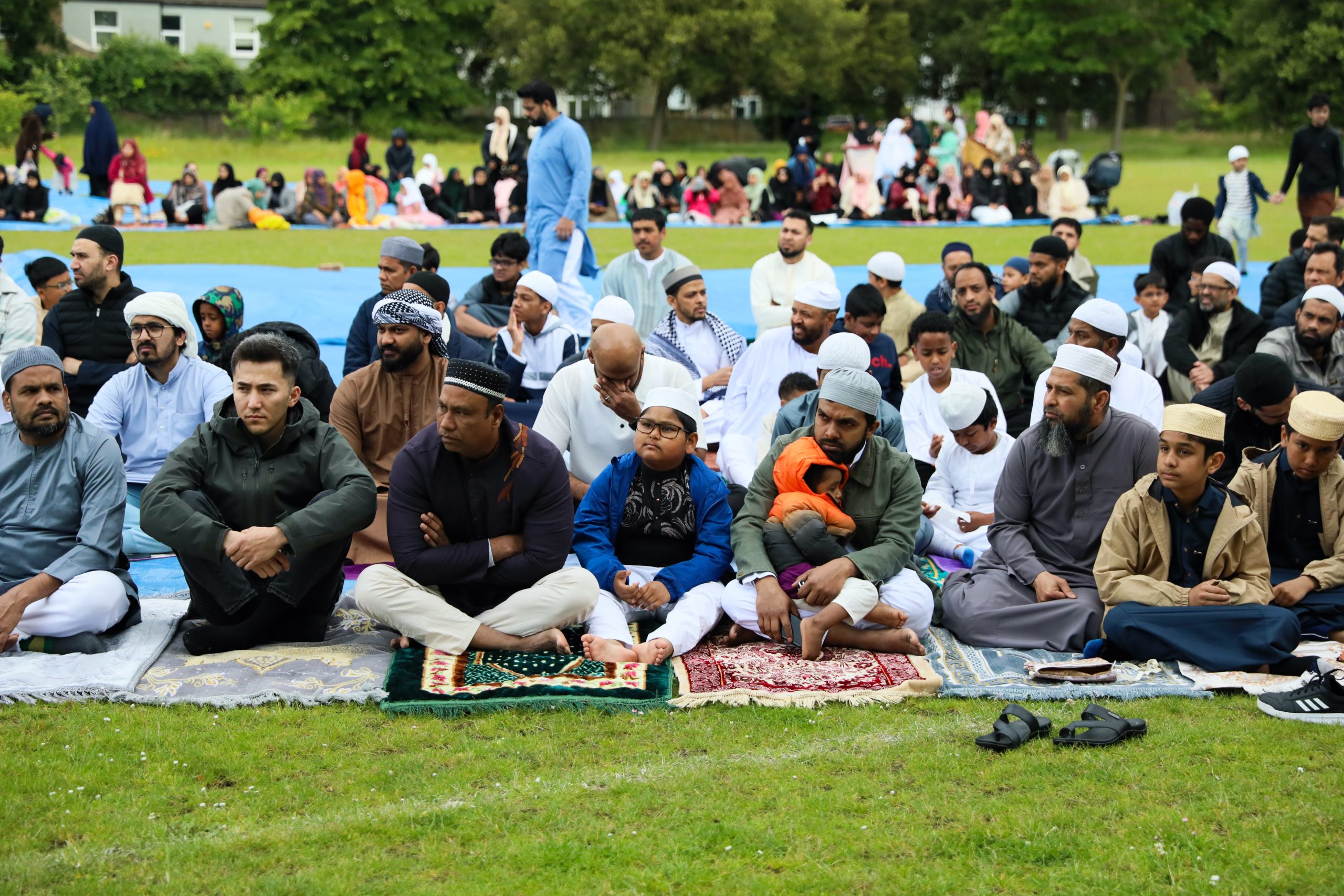
An Italian bishop has called on Catholics to share the Gospel with Muslim migrants and said that failing to proclaim Jesus Christ would amount to a betrayal of the Church’s mission An Italian bishop has urged Catholics to evangelise Muslims living in their communities, warning that failing to proclaim Jesus Christ would be a betrayal of the Church’s mission. In a pastoral letter issued for the Diocese of Ventimiglia-Sanremo, Bishop Antonio Suetta said Christians should welcome Muslim migrants with charity and respect while remaining committed to sharing the Gospel. “To neglect the proclamation of Jesus Christ would be to disregard His saving Cross and His universal mediation. Ultimately, it would be to betray our mission as the baptised,” the bishop wrote in a new diocesan pastoral letter, There Is No Greater Love Than This . The letter, published ahead of a diocesan initiative aimed at strengthening engagement with local Muslim communities, comes as parts of Italy continue to experience significant migration from North Africa and the Middle East. Drawing on the example of St Francis of Assisi’s encounter with Sultan al-Malik al-Kamil in Egypt during the Fifth Crusade in 1219, Bishop Suetta argued that Christians should neither conceal their faith nor approach Muslims with hostility. Instead, he pointed to the saint’s instructions in the Regula non bullata of 1221, which encouraged friars living among non-Christians to bear witness through the example of their lives while also proclaiming the Christian faith. The bishop said many Muslims arriving in Europe encounter a secularised society and often mistake moral decline for Christianity itself. “Muslims arriving in Western countries are often bewildered by the secularisation of society, as they tend, mistakenly, to be sure, yet understandably, to equate public immorality with the Christian faith,” he wrote. “Only when they come into contact with Christians who live consistently with their faith do they realise that secularisation is a corruption of Christianity; thus, they begin to discover the true face of Jesus.” While emphasising the importance of dialogue and collaboration, Bishop Suetta insisted that Christian witness could not stop at hospitality alone. “Hospitality and collaboration are, in themselves, two ways of bearing practical witness to true faith in Jesus,” the bishop said. “Such acts must always be accompanied by our spiritual identity, speaking of Jesus Christ not through imposition, but with love.” The bishop devoted a significant section of the letter to the Church’s missionary mandate, citing both St John Paul II and Pope Francis. He argued that the changing religious landscape of Europe meant that the traditional missionary territories of previous centuries were now present within Western societies themselves. “If in the past the mission ad gentes to non-Christians had as its privileged setting countries with a non-Christian majority, the time has now come to take up this responsibility here at home, particularly towards Muslim immigrants,” Bishop Suetta wrote. Among the most striking passages of the document is a comparison between evangelisation and rescuing a drowning person. “If we see someone struggling to climb out of a river, yet being swept away by the current, and we happen to have a rope to assist them, it would be an act of grave negligence not to throw that rope,” the bishop wrote. “How many Muslims living among Christians will turn to them on the Day of Judgment and ask: ‘Why did you not throw me the rope? Why did you not make the truth known to me?'” The pastoral letter was issued as the Church prepares to mark the 800th anniversary of the death of St Francis of Assisi and follows Pope Leo XIV’s decision to designate a special Year of St Francis from January 2026 to January 2027. The document also coincides with the 60th anniversary celebrations of Nostra Aetate , the Second Vatican Council declaration on relations between the Church and non-Christian religions..
Jun. 1, 2026
Inside the dissolution of the Marian Franciscans
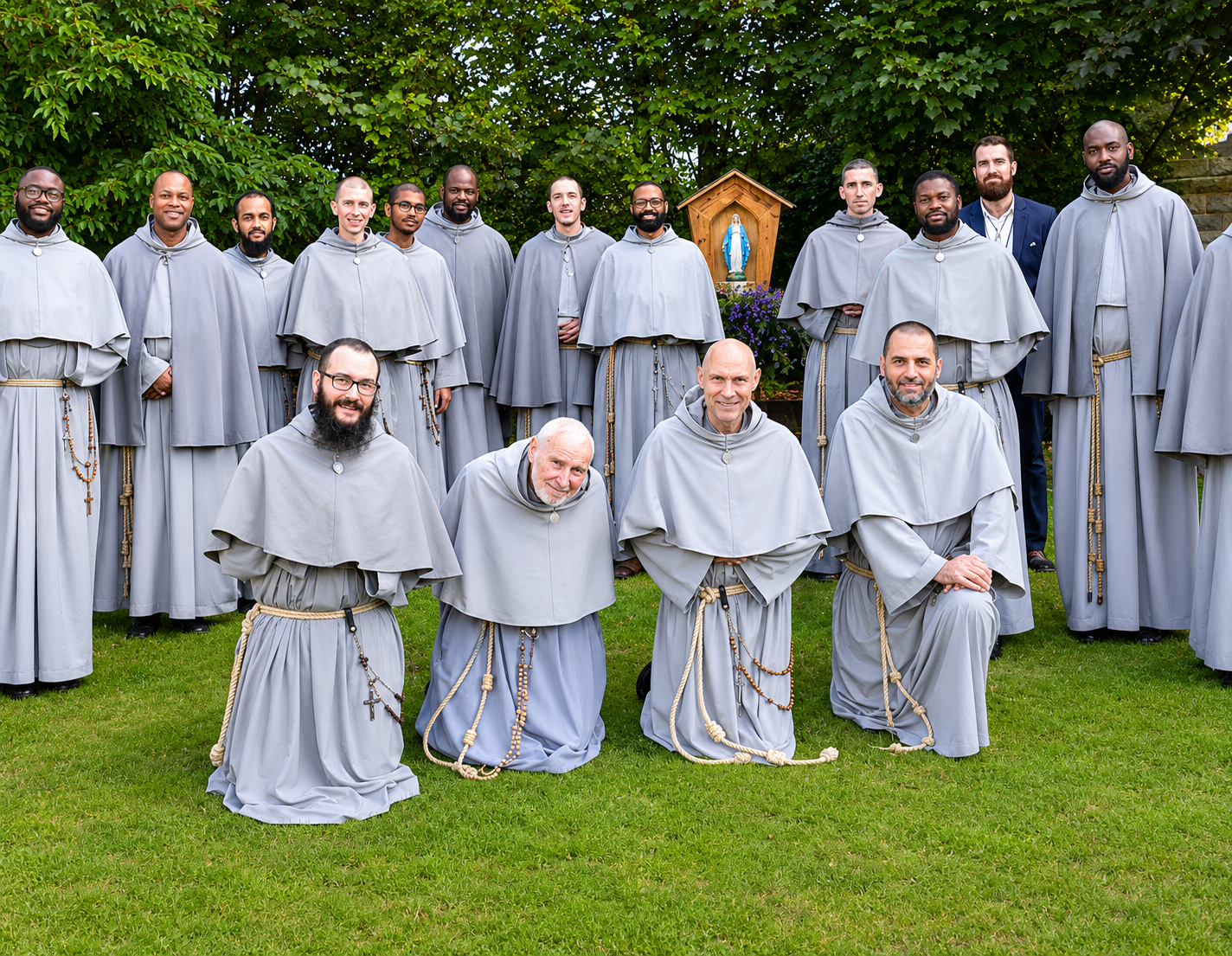
What led to the dissolution of the Marian Franciscans? As the community ceases to exist as a canonical entity, sources close to the friars point to events in Scotland The Marian Franciscans have been dissolved after Bishop Philip Egan of Portsmouth approved a request by the friars to suppress the community. The decision follows a vote by members of the Family of Mary Immaculate and St Francis on 27 April to seek dissolution after what they described as a period of discernment about their future in the United Kingdom. In a statement issued on 27 May, the friars said: “Despite growth in numbers and apostolic activity, it was not possible to secure the practical and canonical support needed for formation, sponsorship, and future priestly ordinations.” They added that “a range of options was explored” but none provided “a workable path” for the community to continue “in its present form”. The friars said the decision “is not the result of, or a reaction to, any single incident or series of incidents”, but arose from “broader questions about the future viability of the community and its mission in the UK”. Bishop Egan confirmed in a statement that he had accepted the request “after serious and careful consideration”. “The appropriate canonical and practical steps are now being taken,” he said. The bishop added that the friars intend “to join another association with a similar charism and in the coming months to relocate”. The Family of Mary Immaculate and St Francis was established in the Diocese of Portsmouth after Bishop Egan welcomed the friars in November 2014. The community assumed responsibility for St Mary’s Parish in Gosport and, in 2018, Bishop Egan formally erected the association. The friars subsequently established a second house in the diocese and developed apostolates that included parish ministry, retreats, preaching, publishing and online evangelisation. The community also ministered in London, including at Tyburn Convent. In 2022, members of the community relocated to the Diocese of Dunkeld after receiving the support of Bishop Stephen Robson. The move included Marian Franciscan sisters, and plans were explored for the acquisition of a friary, convent and chapel. Those plans came to an end in February this year when Bishop Andrew McKenzie informed the community that the proposed property purchase would not be ratified and that they would have to leave the diocese. The friars said supporters had credited the community with encouraging conversions, vocations, Marian devotion and greater participation in the sacramental life of the Church. Last year Fr Serafino Lanzetta, one of the community’s leading members, criticised the Vatican document Mater Populi Fidelis . He said the text represented “a significant downgrade” in the presentation of Mary’s role in salvation history and organised a filial appeal asking Pope Leo XIV to reconsider the document. Following the dissolution, the friars said priests incardinated in the Diocese of Portsmouth would be permitted to continue their apostolate at three existing locations within the diocese, including an Ordinariate church. Elsewhere, the community’s apostolates and activities will come to an end when the Marian Franciscans cease to exist as a canonical entity on 1 June. The friars and sisters will no longer remain members of the community, and transitional arrangements are being made through the Friends of the Marian Franciscans charitable trust. Bishop Egan acknowledged that the decision would be “a cause of sadness and concern for many people who have valued the ministry, prayer and pastoral presence of the friars”. He said the Diocese of Portsmouth “recognises with gratitude the ministry of the Marian Franciscans, and the prayer, generosity and friendship offered to them by the lay faithful and others who have supported the community over the years”. The bishop asked Catholics to “pray for the members of the community as they discern the next steps, and for all those who have been supported by their ministry”. The friars said the dissolution “marks the end of a distinctive chapter in contemporary Catholic life in the United Kingdom”, while expressing hope that “the spiritual fruits associated with it will endure and may one day return to Britain in a new form”. Neither the Marian Franciscans nor the Diocese of Portsmouth wished to comment further beyond their public statements. However, sources familiar with the situation suggested that the tensions which ultimately led to the community’s dissolution cannot be understood solely through the brief statements issued by the friars and the diocese. One source close to the community told Advaticanum that readers should be “reading between the lines” of the friars’ announcement. From this publication’s understanding, the issues stemmed from Scotland rather than Portsmouth. Several people familiar with events in Scotland pointed to difficulties that emerged after the arrival of Bishop Andrew McKenzie in the Diocese of Dunkeld. When the Marian Franciscans relocated part of their apostolate to Dundee in 2022 they had the support of Bishop Stephen Robson, who welcomed the friars and sisters and explored plans for a permanent home for the community. Those plans came to an abrupt halt in February 2025 when Bishop McKenzie informed the community that a previously discussed property acquisition would not proceed and that they would eventually have to leave the diocese, although the deadline was later extended until October 2026. From this publication’s understanding, Bishop McKenzie wanted an excuse to remove the community. Advaticanum has learned that concerns raised with diocesan authorities in Scotland included allegations of overly rigid attitudes among some members and questions surrounding the ages of certain novices and sisters entering religious life. The Diocese of Dunkeld has not publicly commented on such claims and has never publicly detailed the reasons behind its decision regarding the property purchase or the community’s future in the diocese. The developments followed years of uncertainty for communities attached to the traditional Latin Mass after Pope Francis issued Traditionis Custodes in 2021, placing new restrictions on celebrations of the older form of the Roman Rite. The Marian Franciscans later said that diocesan authorisation for celebrations of the traditional liturgy had become more restricted. While there were growing congregations, baptisms, Marian devotions and increasing numbers of young families at the community’s apostolates, the future of the institute remained unresolved. On 27 April this year, the friars voted to petition for dissolution, and on 24 May Bishop Egan issued the decree approving the suppression of the association.
Jun. 1, 2026
Why I built an app to pray the Latin Mass
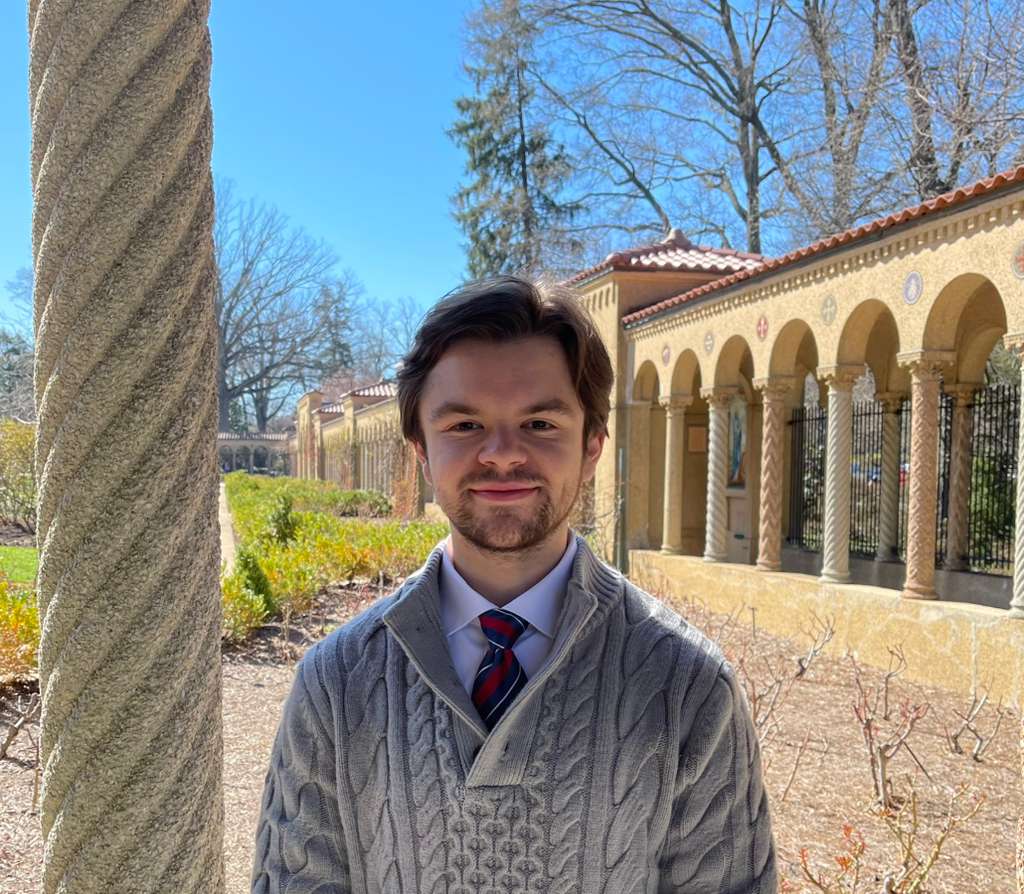
Just three years after entering the Catholic Church, Holden Cole built Introibo, an app designed to help Catholics pray the Mass, Office and Rosary in Latin. Here, he explains why Introibo began with a problem. I wanted a single place to pray the Mass, the Office and the Rosary in Latin, and to follow the liturgical year as the Church has prayed it for centuries. I could not find exactly what I was looking for, so I built it myself. The reason I wanted those things, however, goes back much further. I was raised Methodist, though “raised” is a generous word for what we actually did. We prayed at home sometimes. We almost never went to church. What I had instead of a churchgoing childhood was my grandmother’s house. She was Catholic, and her home was filled with statues of Our Lady, so I grew up without much religion but also without the anti-Catholic streak that a lot of Protestants pick up early. Mary was just there. In the corner of the living room, the way other people grow up with a piano nobody plays, Our Blessed Mother stood watching over us. By the time I got to college, I would have called myself agnostic. I was not hostile towards Christianity; I was bored by it. I started seeing the bulletins around campus for Bible studies and St Mary’s Catholic Center and something called RCIA, and I would notice them and keep walking. I was a freshman in 2020, which meant my first year of college took place on a laptop on the desk in my bedroom. Like a lot of people that year, I felt hollowed out, and I started to wonder whether this was really all there was. One afternoon I was low. Not depressed exactly, but close enough that the difference did not matter. I was at my desk. Then I prayed, just once, figuring it could not hurt. I cannot remember whether I said the words out loud or just in my head. I have struggled ever since to describe what happened next. The best I can say is that there had been a hole in my chest, or maybe in my soul, and it was filled almost instantly. What filled it was not physical, though I felt it in my body. It was a kind of warmth and presence and peace that I had not asked for. I do not want to oversell what happened. There was no vision and no voice and nothing dramatic about it. But it was real, and it was enough to make me want to know what had just happened to me. For the next two years I read. I read about every religion I could find, beginning with the dead ones and working my way slowly inward towards the ones that were still alive, and from there through history and theology towards Christianity. I read the early Church Fathers. From Justin Martyr to Ignatius of Antioch and on through the rest of them, I saw something I had not expected. There was one Church, the same Church, that ran in an unbroken line from the Apostles down through the centuries and was still here. The Catholic Church was not a later development that had drifted from a purer original. It was the original. I joined RCIA at St Mary’s Catholic Center in my senior year at Texas A&M. I told myself, and I meant it at the time, that I was only there to learn and that I was not going to convert under any circumstances, that I was there to find the holes in the story and walk away. Halfway through, I had to admit there were none. The objections I had carried in from a Protestant frame of mind, the Real Presence, praying to the saints, all of it, kept dissolving the more I read. Aquinas helped me. The Fathers helped me more, and at some point I became the main obstacle. I had to admit that there is no faith without doubt, and that I was not going to know everything in this life with the certainty I wanted. I had to trust the Church. I had to trust the men and women who had been working through these questions for centuries before I was born, who were, frankly, wiser than I am. That kind of trust is humility, not a failure of reason. RCIA usually takes a full year, but I was about to graduate and move to Washington for graduate school, so I completed both parts at once. I was received into the Church on Wednesday of the Sixth Week of Easter, 17 May 2023. That day is also a Minor Rogation Day, one of three the Church has set aside for centuries to fast and beg God for His mercy in the days before the Ascension. Rogare , in Latin, means to ask or to beg. It is perhaps providential that my journey, which started three years earlier with asking, should result in my being received into the Church on a Rogation Day. For the first two years after my confirmation I went to the Novus Ordo and I was happy, because I was a Catholic and I was not looking for anything else. Then I went home to Florida to visit my mother and visited an FSSP chapel where the Traditional Latin Mass was offered. I did not like it the first time. I could not follow what was happening. I did not know when to stand or kneel. I felt as though I had wandered into someone else’s prayer by mistake, and I almost wrote the whole thing off as a bad experience. I went back because I had heard too many people I respected speak about the old Mass with too much love for me to dismiss it after one visit. The second time it was different, and by the third time something had given way in me. What drew me in was the reverence, from the Gregorian chant to the incense, from kneeling at the rail to receive Our Lord to the prayers at the foot of the altar and the dozens of smaller prayers along the way that I had not even known existed. I came to love Low Mass especially. The long silences gave me room to be quiet before God, and to let Him be quiet in return. Somewhere in those weeks I realised that the old Mass was the same discovery I had already made in my reading, only now I was making it on my knees. The continuity I had followed into the Church through Justin Martyr and Ignatius of Antioch was the same continuity I was kneeling within in that little chapel. The Roman Rite as I was praying it is one of the oldest continuously prayed liturgies anywhere in the world, with a Canon whose words were already ancient when St Gregory the Great put his hand to them at the end of the sixth century. Almost every saint I had ever read about or loved had been formed by this Mass. My grandmother’s favourite, Padre Pio, offered it every morning of his priestly life, and offered it so slowly and so seriously that people travelled from across Europe to watch him. St Thérèse of Lisieux, whose Story of a Soul I had read more than once and whose Little Way had quietly reshaped the way I thought about holiness, had heard this Mass throughout her short life and had been sanctified within it. To kneel at the same rail and to hear the same Latin and to pray the same Canon they had prayed was to pray with them. I started going every Sunday I could, and as I prayed I found that I wanted, more and more, to understand what I was actually praying. I wanted to follow the propers for the day. I wanted to know the feast and its rank and the season of the liturgical year. I wanted to learn the Latin, not as a performance and not to show anyone anything, but because the prayers themselves are old and beautiful and mean something exact that the English does not quite capture. What I wanted, in short, was one thing that put it all in one place: the Mass with the day’s propers, the Office, the Rosary in Latin, the texts side by side so that I could actually read what I was hearing. I looked. I could not quite find what I was looking for, so I built one for myself. I called it Introibo, after the first word of the prayers at the foot of the altar. Introibo ad altare Dei . “I will go in to the altar of God.” I built it because St Carlo Acutis used what he had for the love of God, and I wanted to use what I had in the same way. I would have been content if no one else in the world had ever downloaded it, because it is the app I use every day. It opens each morning to the liturgical day itself, and from there to the Mass, the Office, the Rosary and the Stations of the Cross in Latin, an examination of conscience, a library of traditional prayers, a small school for learning ecclesiastical Latin through the prayers themselves, and the practices of the saints to follow throughout the year. It is free. It works fully offline. There are no adverts, no accounts and no tracking of any kind. I had never built an app before this one. I am not a developer. My undergraduate degree from Texas A&M is in business and my master’s degree from Georgetown University is in finance, and the closest I had come was a few tools I had put together for work and school over the years, none of which had ever lived on anybody’s phone. Three years on from my confirmation, the Catholic faith is the most important thing in my life and I do not know who or what I would be without it. Everything I want now comes from one thing, which is to serve God and to follow His will in whatever way He gives me to do it. The app is a small part of that, and the Mass is a far larger part, but all of it traces back, in the end, to the same small prayer I prayed by accident in my dorm room six years ago, when I did not know what I was doing, and it turned out not to matter, because Someone was already listening.
May 31, 2026
Proposed law could force French priests to break seal of confession
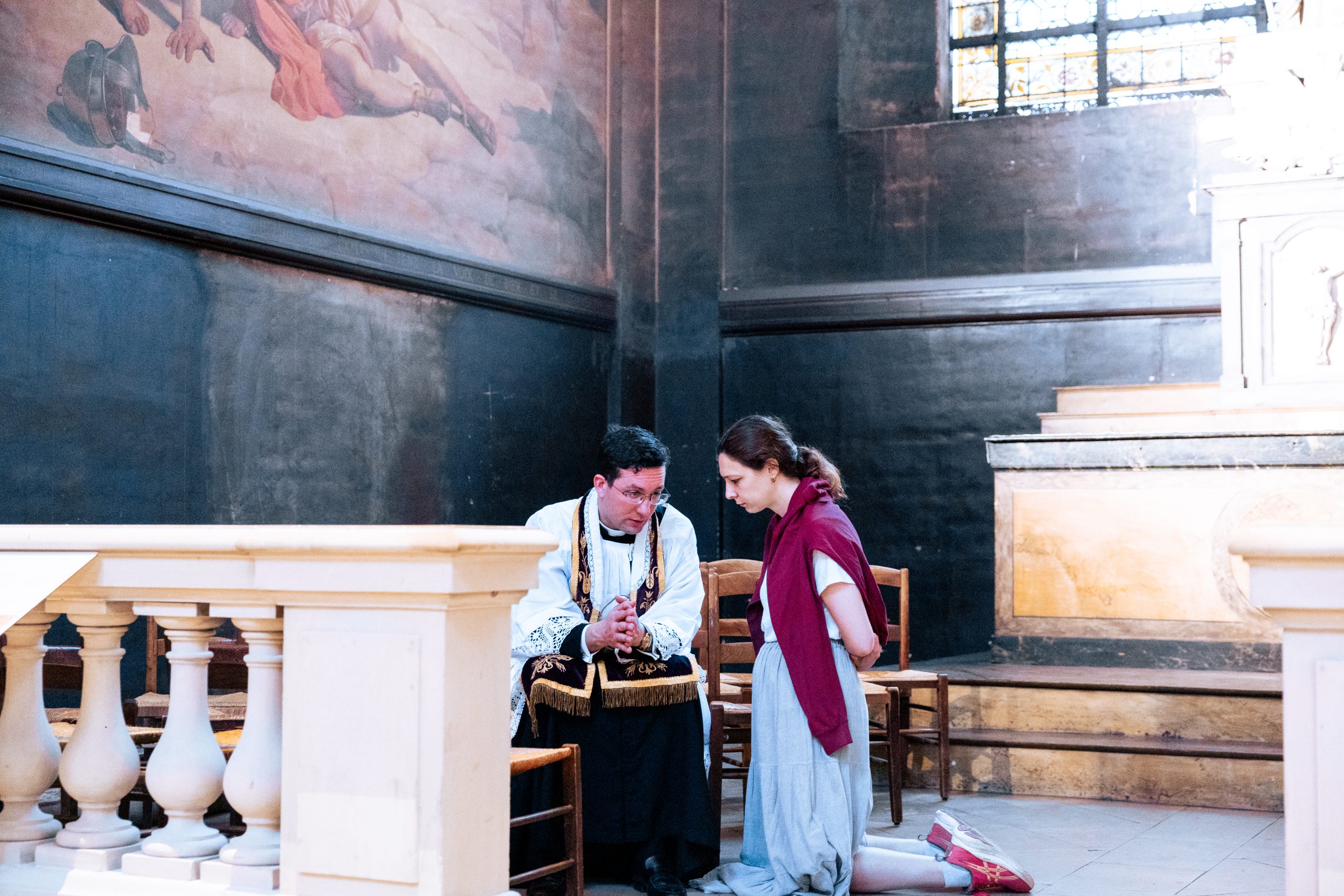
France’s Catholic bishops have urged lawmakers to reject legislation that would require priests to break the seal of confession, stating that “the secrecy of confession is not a privilege for priests, but a right for the faithful” France’s Catholic bishops have urged lawmakers to reject a proposed law that would require priests to report abuse disclosed in confession. The intervention comes ahead of a debate in the National Assembly on 1 June on a bill intended to strengthen the protection of children and combat violence in schools following the Bétharram abuse scandal, which saw hundreds of complaints emerge against the Priests of the Sacred Heart of Jesus of Bétharram in relation to their school in Lestelle-Bétharram and led to allegations that former French Prime Minister François Bayrou had participated in a cover-up. The legislation, introduced by Renaissance deputy Violette Spillebout and supported by Paul Vannier of La France Insoumise, would significantly expand mandatory reporting obligations relating to violence against minors. A key provision states that ministers of religion would no longer be exempt from reporting information obtained in the exercise of their ministry. Paragraph 9 of the proposed legislation states: “Ministers of religion are not exempt with regard to information which they have become aware of in the exercise of their ministry.” The explanatory memorandum accompanying the bill goes further, stating that ministers of religion are subject to reporting obligations “even if they became aware of them in the course of their duties: no ‘seal of confession’ can prevent them from doing so”. In a statement issued before Monday’s debate, the Conference of Bishops of France said it shared the determination of public authorities to combat violence against children but expressed “great concern” about elements of the proposed legislation. The bishops said the text called into question “several fundamental freedoms” and appealed directly to parliamentarians to reconsider the measures before they come before the Assembly. According to the bishops, the proposal raises questions concerning “freedom of conscience, freedom of worship and respect for private life”, while also challenging long-established protections surrounding professional confidentiality and religious ministry. Bishop Jean-Marc Eychenne of Grenoble has emerged as one of the most outspoken critics of the proposal. “The secrecy of confession is not a privilege for priests, but a right for the faithful,” he said. Under the Code of Canon Law, a priest is absolutely forbidden from revealing anything heard during confession, regardless of the circumstances. Priests who directly violate the seal face the Church’s most severe penalties. The inviolability of confession has been recognised in Catholic practice since the early centuries of Christianity and was given formal expression by the Fourth Lateran Council in 1215, which ordered priests to maintain absolute secrecy regarding sins disclosed during confession. The principle has remained unchanged ever since. Under the Ancien Régime, French legal authorities generally recognised the special status of confessional secrecy and treated it as a protected professional confidence. Although tensions periodically arose between civil authorities and ecclesiastical institutions, the seal remained embedded in both legal and religious culture. The French Revolution transformed relations between Church and state. The Civil Constitution of the Clergy subordinated the Church to the revolutionary government and subjected priests to unprecedented state control. While revolutionary legislation did not directly abolish the seal of confession, the wider campaign against the Church created profound pressures on sacramental life and religious practice. During the nineteenth century and under the Napoleonic legal order, French law continued to recognise protections surrounding professional secrecy. The relationship between religious confidentiality and state authority remained the subject of debate, particularly as republican governments expanded their influence over public life. Those tensions resurfaced during the anti-clerical campaigns of the Third Republic, which introduced aggressive secularising measures and sought to reduce the influence of the Church in French society. Yet even during periods of intense conflict between Church and state, the confessional seal itself remained intact. More recently, the issue returned to national prominence following the publication of the Sauvé Report into clerical sexual abuse in 2021. The report recommended that the Church clarify that the secrecy of confession should not prevent the reporting of abuse against minors and vulnerable persons. The recommendation sparked a public confrontation between Church leaders and the French government after Archbishop Éric de Moulins-Beaufort, then president of the bishops’ conference, defended the inviolability of confession. Interior Minister Gérald Darmanin subsequently summoned the archbishop for discussions amid a national debate over the relationship between French law and canon law. Five years later, the dispute has returned to the National Assembly in an even more direct form. As deputies prepare to debate the bill, French bishops are warning that a measure introduced in response to abuse scandals could fundamentally alter the relationship between the state and one of the Catholic Church’s most closely guarded sacraments.
May 30, 2026
Cardinal Pizzaballa intervenes after alleged IDF attempt to halt Marian festival in West Bank
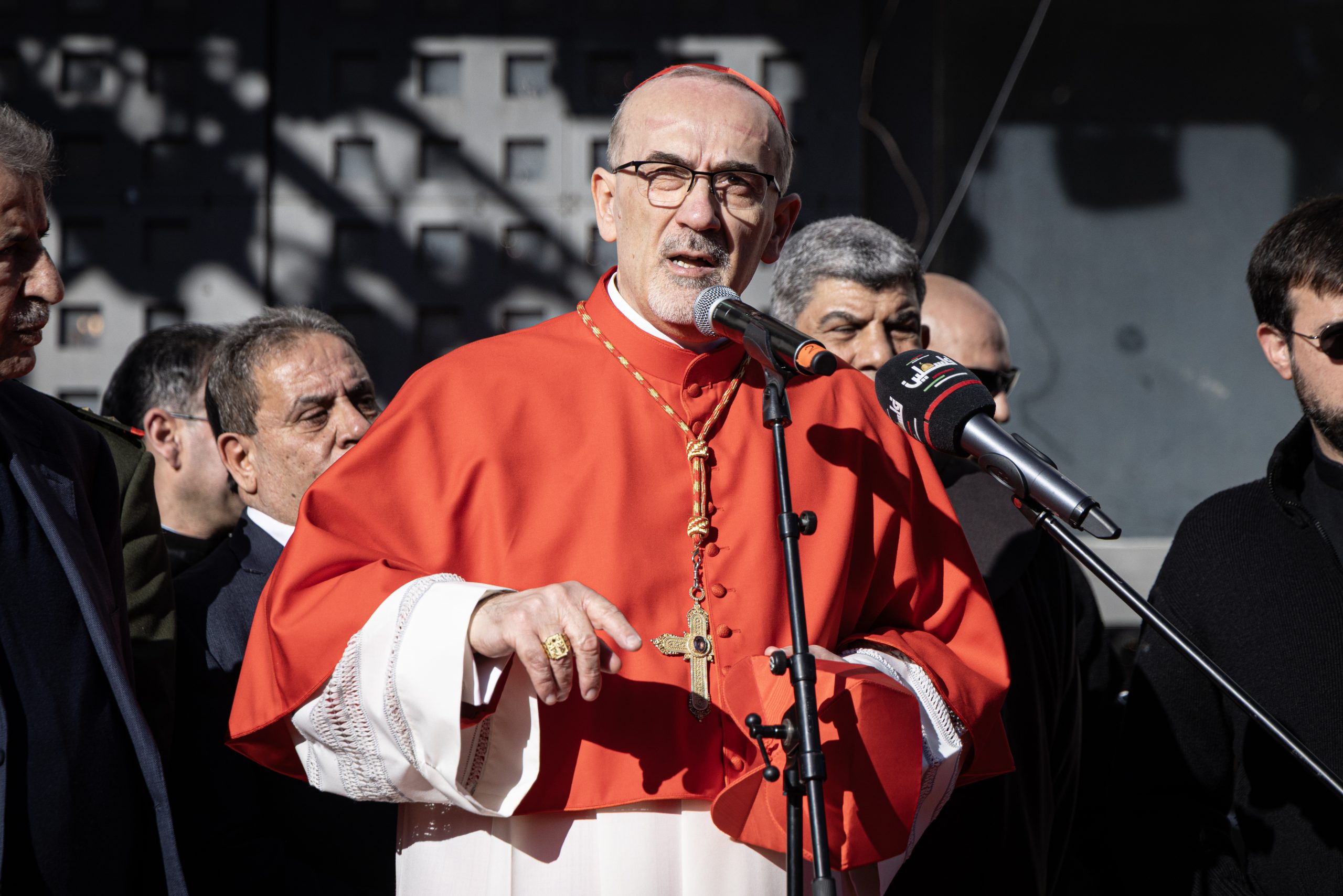
Cardinal Pierbattista Pizzaballa has reportedly intervened with Israeli authorities after military personnel allegedly attempted to halt a Marian festival in Taybeh, the last entirely Christian Palestinian town in the West Bank Cardinal Pierbattista Pizzaballa has intervened after the Israeli Defence Force personnel allegedly attempted to halt a Catholic Marian festival in the Christian West Bank village of Taybeh on Friday. Representatives of the Vulnerable People Project (VPP), an organisation that seeks to protect vulnerable people around the world from violence, said they were present in the village when Israeli military vehicles entered Taybeh early in the morning and ordered organisers preparing for the annual celebration in honour of the Blessed Virgin Mary to leave the area. The parish priest overseeing the festival immediately contacted Church authorities, and the matter was escalated to Cardinal Pizzaballa, the Latin Patriarch of Jerusalem. According to VPP, the cardinal subsequently spoke with Israeli authorities and secured permission for the event to proceed. The incident took place in Taybeh, regarded as the last entirely Christian Palestinian town in the West Bank. Jason Jones, founder and president of the Vulnerable People Project, told this publication that the events highlighted the precarious position of Christian communities throughout the region. “Christians with influence and power in the United States may be the last line of defence between vulnerable Christian communities and the forces driving them from their ancestral homelands,” he said. “From Gaza to the West Bank and Lebanon, ancient Christian communities are under immense pressure. If they are erased and we remained silent, we will share responsibility for that loss.” The president of VPP added: “The disruption of a Marian festival by the IDF is not just an attack on a celebration; it is another warning sign that the Christian presence in the Holy Land is in peril. “At the Vulnerable People Project, we launched Save West Bank Christians because we believe the descendants of the first Christians have the right to remain where Christianity was born. The time for solidarity is now.” A spokesman for the Latin Patriarchate of Jerusalem declined to comment. Lex Pouliot, manager of Middle East projects for the Vulnerable People Project, who witnessed the events, told AdVaticanum that organisers had initially feared disruption from Israeli settlers. “Our fear this morning was that radical settlers would disrupt preparations for the Marian Festival,” she said. “Instead, it was far more disturbing to watch the Israeli military intervene. Hearing a stun grenade explode as Christians prepared for a permitted religious celebration brought into sharp focus the countless stories I have heard throughout my time in the West Bank. “What we witnessed today should concern Christians around the world.” The allegations follow months of complaints from Church leaders and residents over increasing pressure on the Christian community in Taybeh. In March, Fr Bashar Fawadleh appealed for international attention after reporting that settlers had taken over privately owned land belonging to village residents. In April, Cardinal Pizzaballa and other heads of Churches in Jerusalem lodged a formal complaint with the authorities over alleged encroachments on Church-owned property in the area. During Holy Week, Cardinal Pizzaballa and Father Francesco Ielpo OFM, Custos of the Holy Land, were blocked from entering the Church of the Holy Sepulchre to celebrate Holy Mass, marking the first time in centuries that Mass had not been celebrated inside the church on Palm Sunday. The clerics later issued a joint statement describing the incident as a “grave precedent” that disregarded “the sensibilities of billions of people around the world who, during this week, look to Jerusalem”. The latest incident also follows reports that Israeli soldiers entered a brewery compound in Taybeh on Thursday. According to VPP, troops prevented the owner from accessing parts of the property while members of the organisation were interviewing local workers. Taybeh, identified with the biblical Ephraim, is the last remaining entirely Christian Palestinian town in the West Bank. Home to about 1,000 residents, the village has become increasingly vocal about pressure from nearby settler activity in recent years. Neither the Israel Defense Forces nor Israeli authorities had publicly responded to the allegations at the time of publication.
May 30, 2026