France’s Catholic bishops have urged lawmakers to reject a proposed law that would require priests to report abuse disclosed in confession.
The intervention comes ahead of a debate in the National Assembly on 1 June on a bill intended to strengthen the protection of children and combat violence in schools following the Bétharram abuse scandal, which saw hundreds of complaints emerge against the Priests of the Sacred Heart of Jesus of Bétharram in relation to their school in Lestelle-Bétharram and led to allegations that former French Prime Minister François Bayrou had participated in a cover-up.
The legislation, introduced by Renaissance deputy Violette Spillebout and supported by Paul Vannier of La France Insoumise, would significantly expand mandatory reporting obligations relating to violence against minors. A key provision states that ministers of religion would no longer be exempt from reporting information obtained in the exercise of their ministry.
Paragraph 9 of the proposed legislation states: “Ministers of religion are not exempt with regard to information which they have become aware of in the exercise of their ministry.” The explanatory memorandum accompanying the bill goes further, stating that ministers of religion are subject to reporting obligations “even if they became aware of them in the course of their duties: no ‘seal of confession’ can prevent them from doing so”.
In a statement issued before Monday’s debate, the Conference of Bishops of France said it shared the determination of public authorities to combat violence against children but expressed “great concern” about elements of the proposed legislation. The bishops said the text called into question “several fundamental freedoms” and appealed directly to parliamentarians to reconsider the measures before they come before the Assembly.
According to the bishops, the proposal raises questions concerning “freedom of conscience, freedom of worship and respect for private life”, while also challenging long-established protections surrounding professional confidentiality and religious ministry.
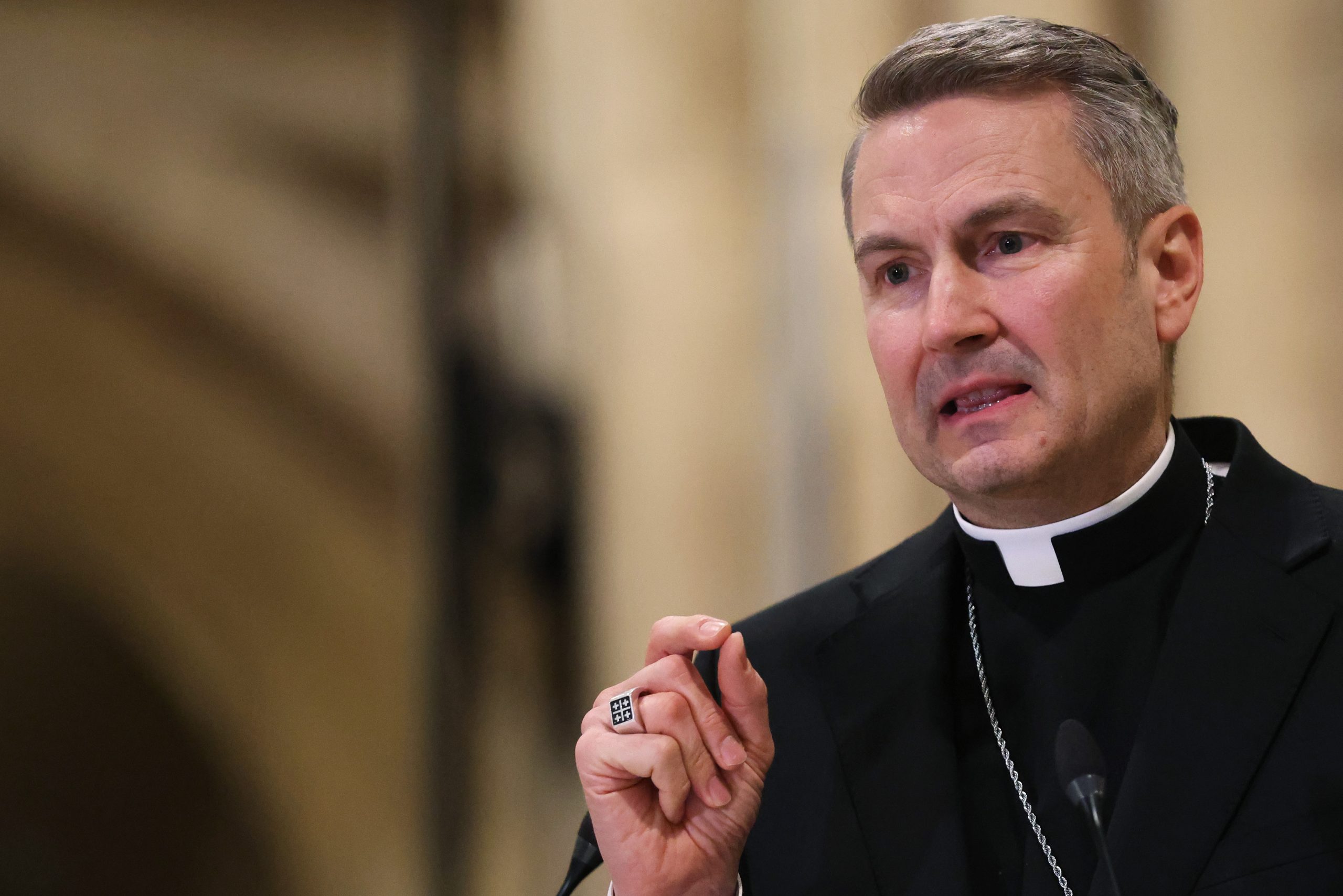
Bishop Jean-Marc Eychenne of Grenoble has emerged as one of the most outspoken critics of the proposal. “The secrecy of confession is not a privilege for priests, but a right for the faithful,” he said.
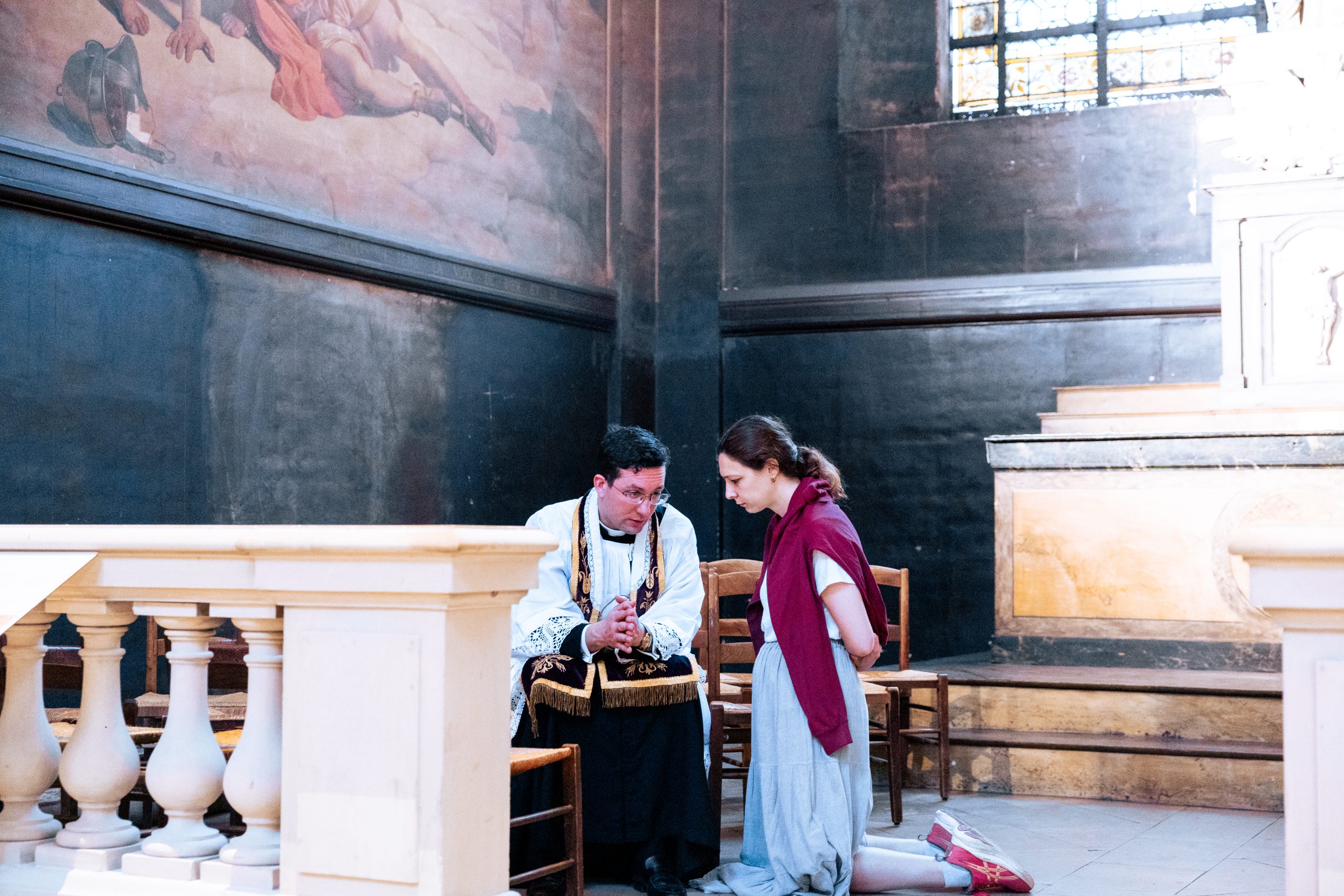
Under the Code of Canon Law, a priest is absolutely forbidden from revealing anything heard during confession, regardless of the circumstances. Priests who directly violate the seal face the Church’s most severe penalties.
The inviolability of confession has been recognised in Catholic practice since the early centuries of Christianity and was given formal expression by the Fourth Lateran Council in 1215, which ordered priests to maintain absolute secrecy regarding sins disclosed during confession. The principle has remained unchanged ever since.
Under the Ancien Régime, French legal authorities generally recognised the special status of confessional secrecy and treated it as a protected professional confidence. Although tensions periodically arose between civil authorities and ecclesiastical institutions, the seal remained embedded in both legal and religious culture.
The French Revolution transformed relations between Church and state. The Civil Constitution of the Clergy subordinated the Church to the revolutionary government and subjected priests to unprecedented state control. While revolutionary legislation did not directly abolish the seal of confession, the wider campaign against the Church created profound pressures on sacramental life and religious practice.
During the nineteenth century and under the Napoleonic legal order, French law continued to recognise protections surrounding professional secrecy. The relationship between religious confidentiality and state authority remained the subject of debate, particularly as republican governments expanded their influence over public life.
Those tensions resurfaced during the anti-clerical campaigns of the Third Republic, which introduced aggressive secularising measures and sought to reduce the influence of the Church in French society. Yet even during periods of intense conflict between Church and state, the confessional seal itself remained intact.
More recently, the issue returned to national prominence following the publication of the Sauvé Report into clerical sexual abuse in 2021. The report recommended that the Church clarify that the secrecy of confession should not prevent the reporting of abuse against minors and vulnerable persons.
The recommendation sparked a public confrontation between Church leaders and the French government after Archbishop Éric de Moulins-Beaufort, then president of the bishops’ conference, defended the inviolability of confession. Interior Minister Gérald Darmanin subsequently summoned the archbishop for discussions amid a national debate over the relationship between French law and canon law.
Five years later, the dispute has returned to the National Assembly in an even more direct form. As deputies prepare to debate the bill, French bishops are warning that a measure introduced in response to abuse scandals could fundamentally alter the relationship between the state and one of the Catholic Church’s most closely guarded sacraments.