

Outside the Walls
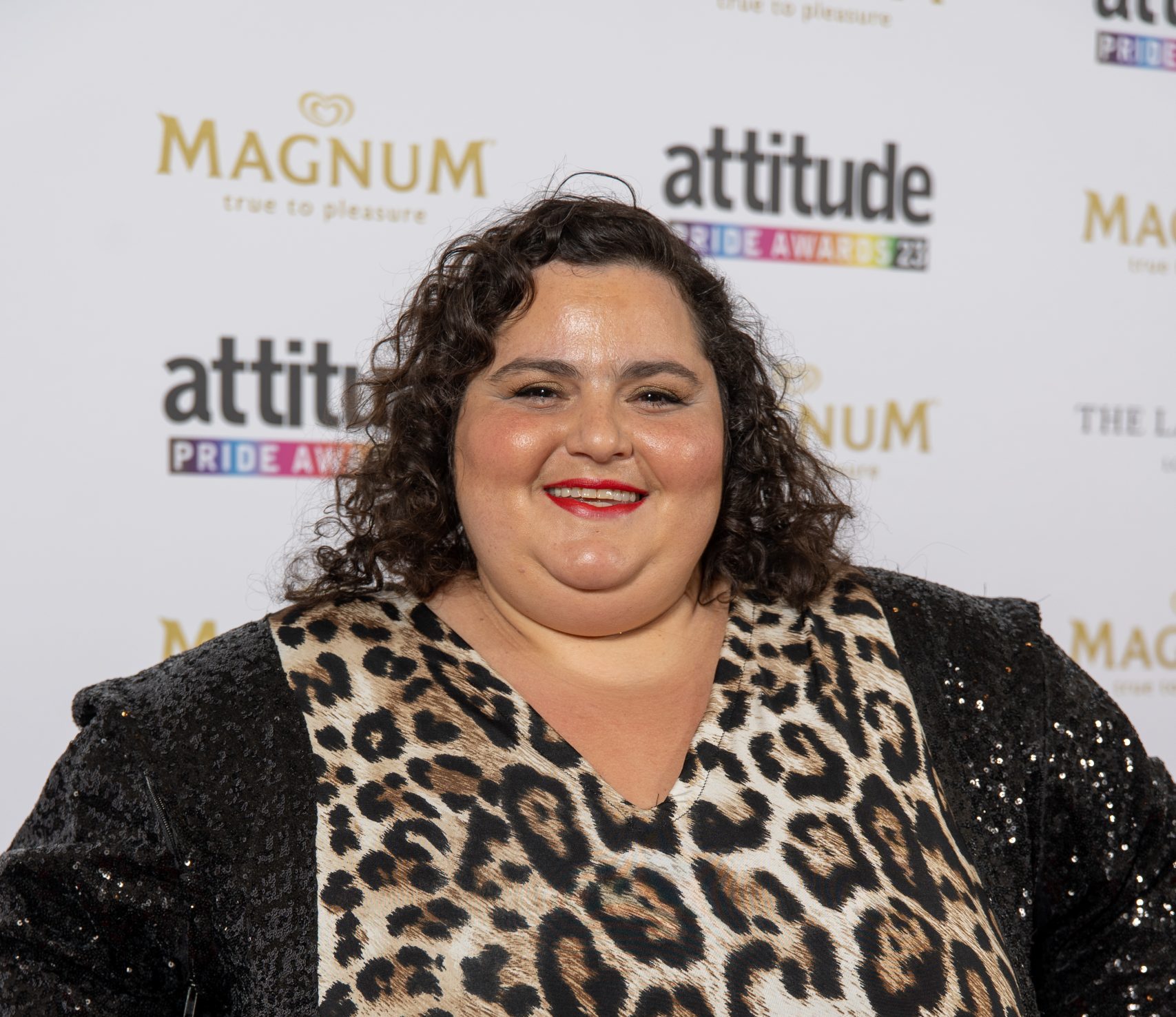
Paris Olympics performer Barbara Butch to direct installations inside Paris churches
Barbara Butch, the DJ and activist who used the Olympics opening ceremony in 2024 to mock Leonardo da Vinci’s Last Supper, is set to direct a series of immersive art installations inside churches across the French capital during this year’s Nuit Blanche festival Barbara Butch, the French DJ and activist who drew international controversy during the opening ceremony of the Paris 2024 Olympic Games, is to direct a series of artistic installations inside churches across Paris during this year’s Nuit Blanche festival. The all-night arts festival, due to take place on June 6 and 7, will feature immersive projects in several historic churches under Butch’s artistic direction, according to the French Christian outlet Tribune Chrétienne . One installation, titled Sous la peau du ciel (“Beneath the Skin of the Sky”), will be staged inside Saint-Laurent Church in the French capital’s 10th arrondissement. Organisers say visitors will be invited to leave recorded “wishes” over the telephone, which will then be combined with atmospheric sounds and digitally altered to create what has been described as “living and evolving sound material”. Festival material describes the work as “an invisible membrane stretched between human hearts and the atmosphere”, adding that visitors will encounter “a living, moving sonic material, made of dispersed intimacies and celestial energies”. The installation has resulted in criticism from some Catholics in France because of Butch’s involvement in the Paris Olympics opening ceremony. During the event on July 26, 2024, Butch appeared in a performance featuring drag artists and a banquet-style tableau which many viewers said resembled Leonardo da Vinci’s The Last Supper . The segment immediately drew accusations of blasphemy and disrespect towards Christianity. The French Bishops’ Conference said afterwards that the ceremony had included “scenes of derision and mockery of Christianity”. The controversy quickly spread beyond France, with Christian leaders and politicians across Europe, Latin America and the United States condemning the performance. The World Council of Churches said many Christians around the world had been “angered” by the spectacle. Outside Christianity, Iran’s Foreign Ministry summoned the French ambassador for the insulting representation of Jesus, a prophet in Islam. Paris 2024 organisers initially said the segment had been inspired by Leonardo da Vinci’s famous depiction of Christ and the Apostles. Thomas Jolly, the artistic director of the ceremony, later disputed that interpretation and said the scene had instead been inspired by pagan imagery linked to the Greek god Dionysus. Art historians subsequently pointed to similarities with The Feast of the Gods , a 17th-century painting by the Dutch artist Jan van Bijlert. Butch defended the performance in media interviews after the backlash. Speaking to French media, she rejected accusations that the ceremony had mocked Christianity and said critics had misunderstood the artistic intention behind the sequence. Following the controversy, Butch said she had received online abuse and threats. Her lawyer later confirmed that legal complaints had been filed. Born in Paris in 1981, Butch has built a career as a DJ and LGBT activist in France. She has publicly described herself as “a fat, Jewish, queer lesbian” and has campaigned on issues linked to body positivity and lesbian visibility. She first became known on the Paris club scene after performing at venues including Rosa Bonheur and La Machine du Moulin Rouge. In recent years she has also appeared on French television and was named “LGBTI personality of the year” in 2021 by the Association of LGBTI Journalists. Nuit Blanche, first launched by the City of Paris in 2002, regularly transforms public buildings, museums and churches into exhibition spaces for modern art installations and experimental performances. Churches across the French capital have frequently hosted concerts, sound exhibitions and light displays during previous editions of the festival.
May 18, 2026
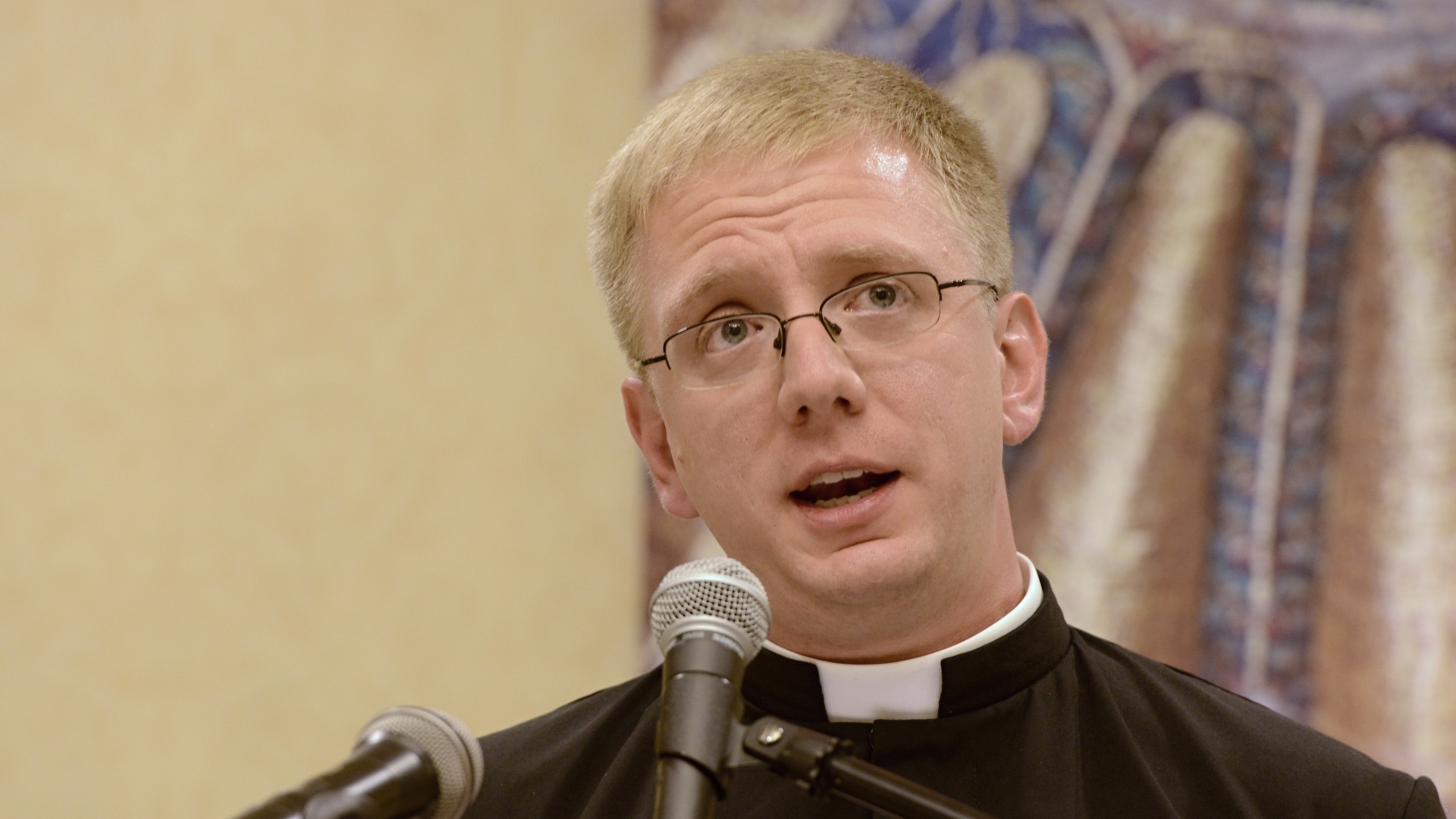
SSPX sources dismiss speculation over Fr Daniel Themann consecration
Sources close to the Society of St Pius X have dismissed speculation that Fr Daniel Themann will be among those consecrated bishop this summer Sources close to the Society of St Pius X have dismissed speculation that Fr Daniel Themann will be among the priests consecrated bishop during the Society’s expected episcopal consecrations on July 1, AdVaticanum can reveal. The Australian district superior had been widely discussed in SSPX circles in recent months as a possible candidate for episcopal consecration, particularly following the circulation of a false communiqué on April 1 claiming that decisions had already been made regarding new bishops. But multiple sources have told AdVaticanum that Fr Themann has personally indicated he would instead be reassigned to the United States and was not under consideration for consecration. One source told AdVaticanum that Fr Themann had personally moved to dampen speculation shortly after the circulation of the false April 1 communiqué, reiterating that preparations were already under way for his reassignment to the United States. The source said Fr Themann had spoken openly about the move to those working closely with him and had “spoken to the Sisters under him explicitly about it”. The source added: “It was at the start of April he spoke to Father Themann, after the fake April 1 communiqué. Father reasserted that he was going to be reassigned to the United States and that preparations are already made for a real reassignment to the US.” Another SSPX source said Fr Themann again rejected the rumours several weeks later following Mass, insisting that his future role in America had effectively already been settled and would be ongoing rather than temporary. According to the source, Fr Themann was “adamant” that he would not be among those selected for consecration. The source said: “After May 3, after celebrating a Low Mass, Father was adamant that the position in the US is now confirmed as an ongoing position and he’s not going to be selected for consecration.” A further source within the SSPX general house in Switzerland told this publication that no announcement concerning Fr Themann was expected and that clergy had become increasingly reluctant to discuss the matter because of the level of speculation surrounding the consecrations. The source said: “Fr Daniel Themann is sick of being asked one way or another, so there will be nothing.” The source added: “No one wants to make any comment even off the record, not even an anti-comment, because everything has an implication for who it may or may not be.” The SSPX has not publicly confirmed any of the names of those to be consecrated this summer. The speculation is unsurprising given that Fr Themann has emerged in recent years as one of the Society’s more prominent English-speaking superiors. An American priest, he entered the SSPX after studying industrial management and completing work in business and manufacturing before beginning priestly formation at St Thomas Aquinas Seminary in Winona, Minnesota. He was ordained priest in 2009 by Bishop Bernard Tissier de Mallerais as part of one of the seminary’s largest ordination classes. After serving in the United States and teaching at the Winona seminary, Fr Themann was appointed rector of Holy Cross Seminary in Goulburn, Australia, in 2015 by the then superior general, Bishop Bernard Fellay. During his five years as rector, Fr Themann oversaw the formation of seminarians from across the Asia-Pacific region before succeeding Fr John Fullerton as district superior of Australia and New Zealand in 2020. In that role, Fr Themann has supervised the Society’s chapels, schools and apostolates across both countries while also serving as chairman of the board of St Thomas Aquinas College in Tynong, Victoria. The Society’s last episcopal consecrations took place in 1988, when Archbishop Marcel Lefebvre consecrated four bishops at Écône, Switzerland, without papal approval, leading Rome to declare that the bishops had incurred automatic excommunication. The excommunications were later remitted by Pope Benedict XVI in 2009. Photo credit: St Thomas Aquinas Seminary
May 18, 2026
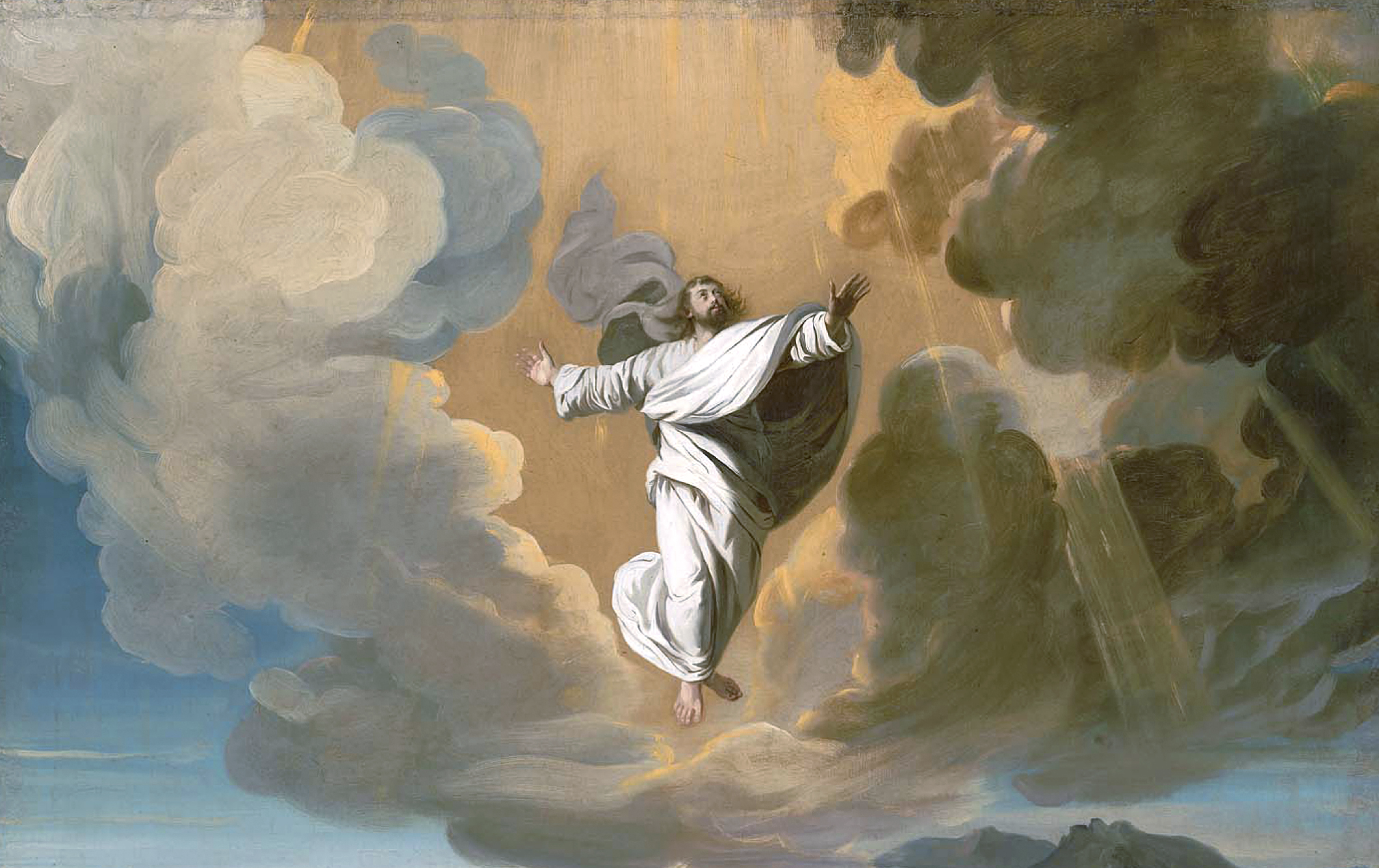
A homily for the Sunday after the Ascension: Dom Alcuin Reid warns against SSPX excommunications
Dom Alcuin Reid warns against possible SSPX excommunications in a homily for the Sunday after the Ascension, saying Catholics attached to the older liturgical rites have faced exclusion and “ecclesiastical displacement” since Traditionis custodes In these days after the Ascension, as the Paschal candle stands extinguished and we wait in expectation and hope for the consoling fire of Pentecost, the Sacred Liturgy of our Holy Mother the Church gives us a somewhat stark warning about living as faithful witnesses to Christ. “They will put you out of the synagogues; indeed, the hour is coming when whoever kills you will think he is offering service to God. And they will do this because they have not known the Father, nor me,” we are informed by the words of Our Lord Himself in this morning’s Gospel. Historically, these words apply to the expulsion of early Christians from the Jewish synagogues as it became clear that Christian faith and life was a substantial development of Jewish belief that the authorities of the time deemed unacceptable. Christianity rightly boasts of and venerates its roots in the Old Covenant, but it remains a fact that the New Covenant fulfils the Old and surpasses it. The Old Covenant no longer suffices. Because of this reality, Christians were expelled from Jewish synagogues and, as we see clearly in the martyrdom of St Stephen (cf. Acts 7), were indeed killed out of a supposedly godly zeal. But what are we to make of this prophecy today? We hear it proclaimed only days after the Holy See has threatened to excommunicate those who plan to consecrate new bishops for the Society of St Pius X, and the new bishops themselves, at the beginning of July. (In spite of much sensational reporting, there is no question of the excommunication of their faithful.) The parallel is not exact: there are many issues involved, and they are complex. But the echo of Our Lord’s prophecy at this time is unnerving, particularly given the zeal with which those who wish to celebrate according to the older liturgical rites of the Church have been excluded from their churches and chapels since the liturgical, historical and pastoral travesty that is the Motu Proprio Traditionis custodes of 2021, which has brought about further disunity and division whilst purportedly seeking unity through the imposition of a ritual uniformity never before known, or required, in the life of the Church. Many are the good and loyal Catholics who have experienced expulsion from their places of worship and the killing off of the sources of grace and pastoral care for themselves and their families at the hands of prelates who, seemingly, “do this because they have not known the Father, nor me.” We ourselves have had to step outside of the system, as it were, in order simply to survive: something no one wishes to do, but which, in extraordinary times, may become truly necessary in conscience. Necessity is the key, as the Society of St Pius X often says. For the older liturgical rites are not a matter of mere aesthetic preference: they are the integral source and summit of our Christian life and mission and guarantee a ritual and doctrinal integrity that is, at best, “watered down” in their successors and which, if we examine the increasingly poisonous fruits of the virus of synodalism that has been unleashed in the Church, is at times utterly compromised, if not downright rejected, by those who would proscribe that which, of its very nature, “remains sacred and great for us too, and it cannot be all of a sudden entirely forbidden or even considered harmful.” (Benedict XVI, Letter, 7 July 2007.) Maintaining the rites of the usus antiquior, including the Divine Office, the sacraments and sacramentals, is not a personal “choice”: it is the conviction that, at this time in the history of the Church, they are necessary to guarantee a continuity of faith and life with the Church founded by Christ on the Apostles, at a time when other means do so less effectively or are at times hijacked for ends utterly inimical to the Deposit of Faith. This is not to malign the good will of many of those in authority, or of clergy, religious and laity who have struggled for decades, and who continue to struggle, to be faithful, often in the face of much opposition and, at times, from bishops and other ecclesiastical superiors. Nor is it to question the validity of the newer rites when celebrated correctly. This is, however, to underline the pastoral necessity, that is, the necessity for the salvation of souls, of free access to the Church’s unadulterated rites and teaching: something that the fruits produced by communities who celebrate them make abundantly evident. Sadly, this is a reality which still seems to be ignored. What, then, can we do when the choice seems to be between disobedience and dissolution? This is no small question, and we do well to consult St Thomas Aquinas and other sound theologians on its implications. In doing so, we find that material disobedience to positive law, as distinct from Divine law, can, extraordinarily, be tolerated for a truly necessary good: a father must feed and protect his family. There is no virtue in allowing them to starve to death or to be destroyed by danger. At certain times we must act outside the norm. And, as the fourth century martyrs of Abitene teach us so eloquently, sacramental starvation is not tolerable: sine dominico, non possumus (without the Sunday Eucharist, without the liturgy and the sacraments, we simply cannot live). But first and foremost, we must pray. In the context in which we find ourselves, the counsel of this morning’s Epistle is particularly pertinent: “Keep sane and sober for your prayers,” St Peter insists. So too he urges us: “Above all hold unfailing your love for one another, since charity covers a multitude of sins. Practice hospitality ungrudgingly to one another. As each has received a gift, employ it for one another, as good stewards of God’s varied grace.” Prayer, charity, hospitality and mutual service are most certainly necessary at all levels of the Church in our times, and persevering in each of them will bring many graces, particularly for those who are persecuted or who, as it were, find themselves “ecclesiastically displaced”. In these days when we await the coming of the Counsellor whom Our Lord promises to send us from the Father, we can, then, each redouble our prayers that the Spirit of Truth shall truly inhabit those in authority and, as we shall sing in the Sequence of Pentecost, flecte quod est rigidum, fove quod est frigidum, rege quod est devium. (Bend what is inflexible, warm what is chilled, correct what has gone astray.) Not only should we beg Almighty God to send the Holy Spirit to melt the hearts that govern the Church, we should also implore Him in particular to fill the Holy Father with His sevenfold gifts of wisdom, understanding, counsel, fortitude, knowledge, piety and fear of the Lord in the exercise of his unenviable but utterly crucial duty to protect the integrity of the Deposit of Faith and the unity of the Church under it, of which the Sacred Liturgy is the living source and sacramental. The Holy Father needs our prayers at this time! Let us begin praying earnestly that, through the inspiration and gifts of God the Holy Spirit, charity and Truth will prevail on all sides and all talk of excommunication shall cease; that true hospitality will be shown; and that those who have been given the gift of the episcopacy and papacy will employ them, as good stewards, in the service of all their flock after the example of the Good Shepherd Himself (cf. Jn 10). With the help of our prayers, through the power of God the Holy Spirit, this can yet come to pass. Dom Alcuin Reid is the Prior of the Monastère Saint-Benoît in Brignoles, France, www.monasterebrignoles.org
May 17, 2026
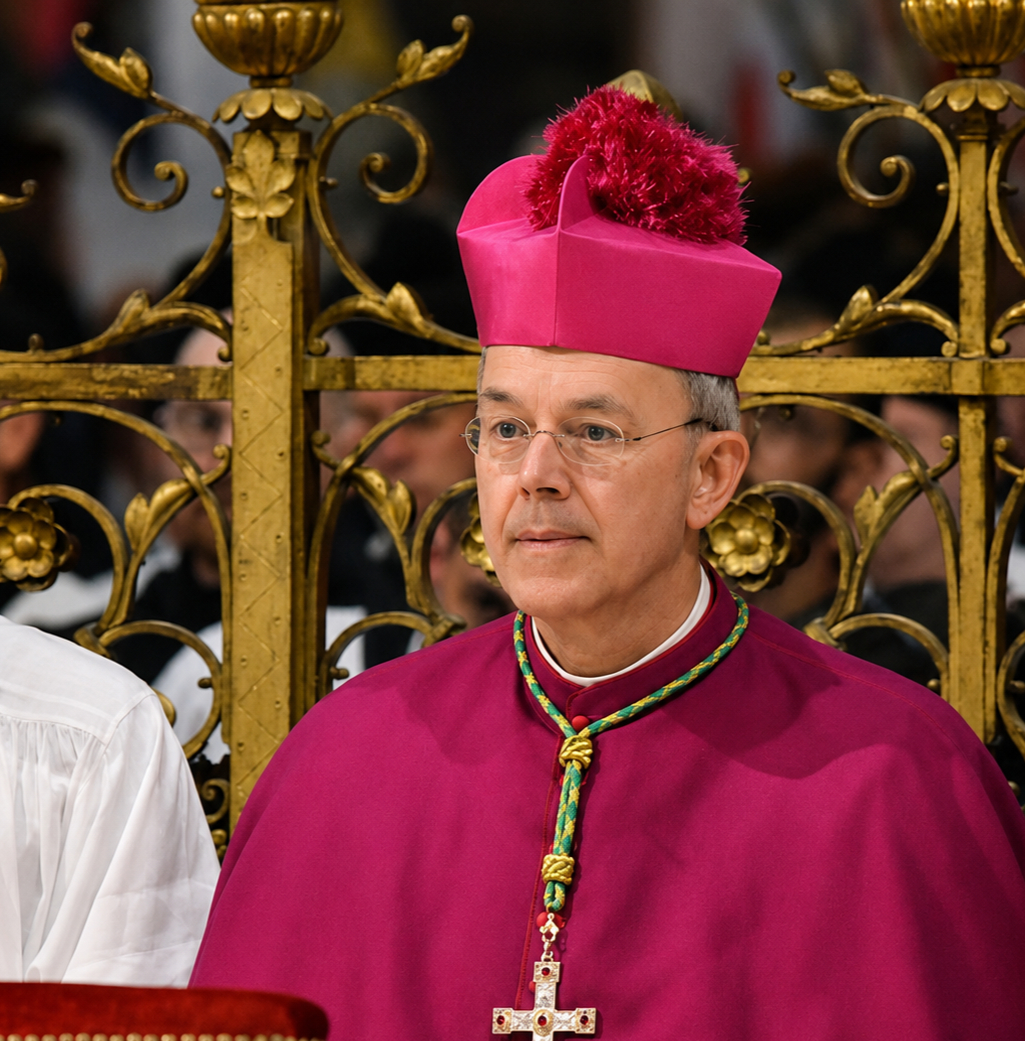
‘This is not synodal’: Bishop Schneider on possible SSPX excommunications
Bishop Athanasius Schneider, Auxiliary Bishop of Astana in Kazakhstan, has said that excommunicating the SSPX would be “not synodal” and warned that, if the Pope were to excommunicate the Society, “this will go down in history as a huge error of rigidity”. Speaking to EWTN’s The World Over with Raymond Arroyo, the 65 year old […] Bishop Athanasius Schneider, Auxiliary Bishop of Astana in Kazakhstan, has said that excommunicating the SSPX would be “not synodal” and warned that, if the Pope were to excommunicate the Society, “this will go down in history as a huge error of rigidity”. Speaking to EWTN’s The World Over with Raymond Arroyo , the 65 year old prelate spoke openly about the planned July episcopal consecrations by the Society of St Pius X, which have led to reports that the entire Society and its faithful could find themselves excommunicated. Bishop Schneider pointed to what he described as a contradiction in the approach, saying that the Vatican is “promoting the inclusivity of synodal methods and are generous with the German Synodal Way” as well as being “generous with the Communist Chinese Party to grant them to ordain bishops there”, whilst coming down with full ecclesial force on the Society of St Pius X. The bishop further said that he had written to the Pope asking him to give the SSPX permission to consecrate bishops “as a first step to integrate them, to create an atmosphere of mutual trust”. He also appealed directly to the Pope during the interview, saying: “Holy Father, please avoid such a wound in the Church which you can avoid.” Throughout the interview, Bishop Schneider was notably more forgiving towards the Society than other prelates have been when discussing the its canonical irregularity. He said that he did not think they were “schismatics” and that they “love the Pope, pray for the Pope, and want simply to have the guarantee to transmit the faith of all times without any ambiguity”. When the topic turned to whether the concerns of the SSPX were purely related to their attachment to the Tridentine Mass, the bishop responded by saying “the problem is deeper”. Acknowledging their criticisms of parts of the Second Vatican Council, he said: “There are ambiguities in some council texts. There are ambiguities in the post-conciliar Magisterium.” He also appeared grateful for the role played by the Society in raising such questions about the Second Vatican Council, telling Arroyo that “we must be honest, and therefore we must be thankful to the Society of Pius X to address it publicly”. Appointed a bishop at the age of 49 by Pope Benedict XVI, Bishop Schneider has long been associated with the traditional Latin Mass and the communities attached to it. In 2015 he was appointed by the Holy See to carry out visitations to two SSPX seminaries. After the visit, he stated that “there are no serious reasons to deny the clergy and faithful of the Society of Saint Pius X official canonical recognition”. At present, every indication points towards the Society of St Pius X consecrating bishops on July 1, with a website recently created requiring attendees to complete compulsory registration “for security reasons”. Photo by: Monegasque2 – Own work, CC BY-SA 4.0, https://commons.wikimedia.org/w/index.php?curid=48468039
May 16, 2026
SSPX website reveals details of July consecrations and compulsory registration system
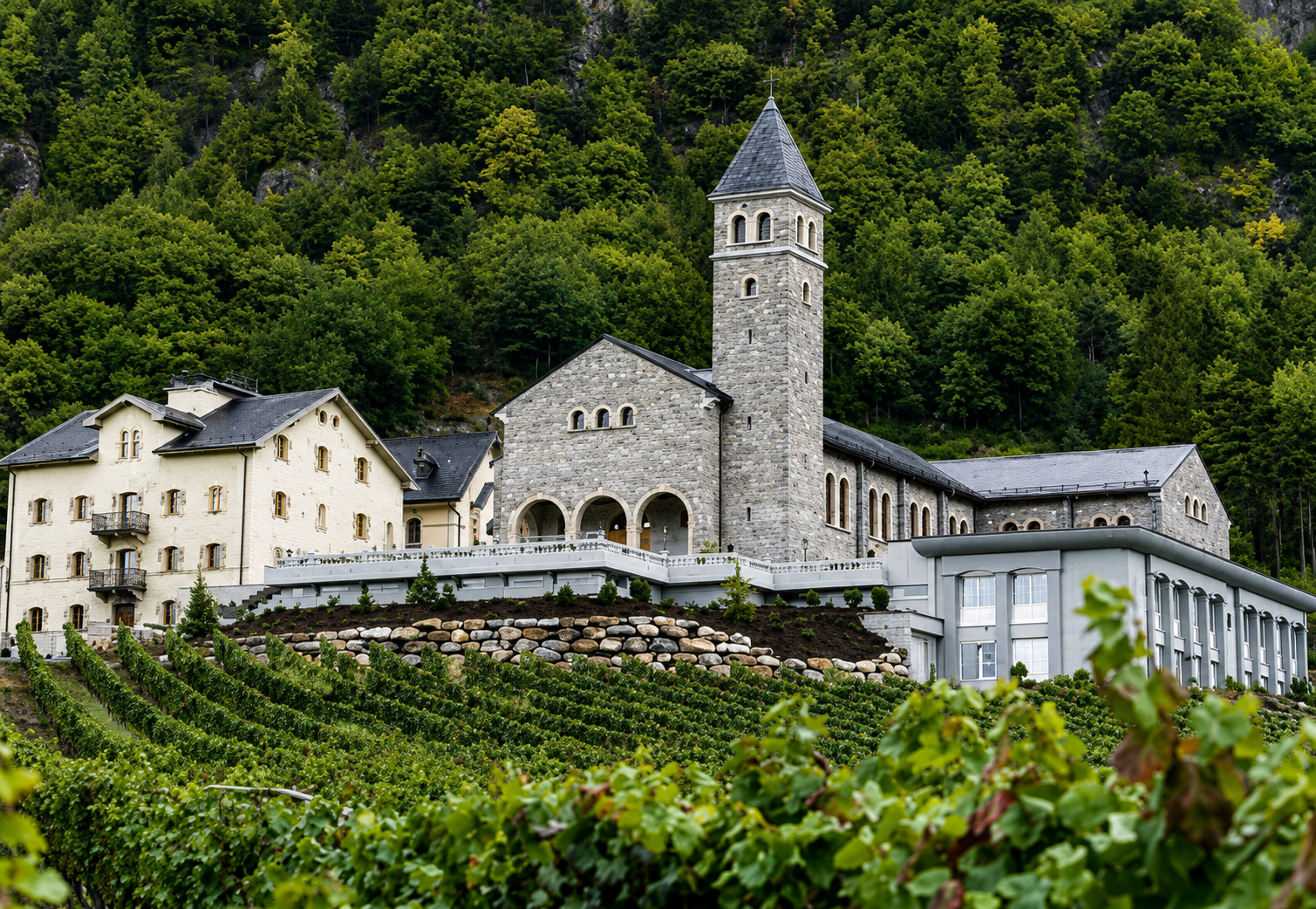
The Society of St Pius X has opened official registration for pilgrims wishing to attend the priestly ordinations and episcopal consecrations at Écône this summer, with organisers insisting that registration will be compulsory “for security reasons”. A new multilingual website launched by the seminary authorities says: “Access to the ceremonies is reserved for registered attendees. […] The Society of St Pius X has opened official registration for pilgrims wishing to attend the priestly ordinations and episcopal consecrations at Écône this summer, with organisers insisting that registration will be compulsory “for security reasons”. A new multilingual website launched by the seminary authorities says: “Access to the ceremonies is reserved for registered attendees. Please complete your registration below.” The ceremonies, which will take place from June 29 to July 2 at the International Seminary of Saint Pius X in Switzerland, are expected to attract thousands of faithful from across Europe and beyond. Visitors are asked to register according to their category, including “Faithful”, “Clergy”, “Organised Group” and “Press / Media”. The website describes the gathering as four “days of grace” centred on the priestly ordinations and episcopal consecrations in the “majestic setting of the Écône meadow”. A countdown clock on the homepage marked 43 days remaining before the ceremonies at the time of publication. The programme published by the organisers provides one of the clearest indications yet of the scale and detailed planning surrounding the event. Priestly ordinations will begin on Monday, June 29, with a Pontifical Mass of Ordination scheduled for 9am in the meadow at Écône, followed by first blessings from the newly ordained priests and Pontifical Vespers with Benediction of the Blessed Sacrament. The following day will include a series of first Masses celebrated by the newly ordained priests at various locations around the seminary grounds. The schedule published online includes Masses to be celebrated by Fr Bunge, Fr Braun, Fr Richter and Fr Hernanz. The episcopal consecrations themselves are due to take place on Wednesday, July 1, beginning at 9am, followed later in the day by Pontifical Vespers and Benediction. A final Pontifical Mass celebrated by one of the newly consecrated bishops is scheduled for Thursday, July 2. The website also includes a dedicated section titled “Our Future Bishops”, inviting visitors to “discover the priests who will receive episcopal consecration at Écône” and to “support them with your prayers and encouragement”. No further official details about the candidates for episcopal consecration had been published in the section at the time of writing. The launch of the portal appears intended not only to organise pilgrim access but also to coordinate accommodation and transport for the large international crowds expected to travel to the Swiss Alps. The organisers have published accommodation listings under sections marked “Private hosts” and “Partner hosts”, while a dedicated carpooling system allows pilgrims to offer or request transport. Users are instructed to create accounts in order to participate in the ride-sharing system, which allows searches “by city”. The seminary authorities have also published extensive logistical guidance under a “Plan my visit” section, including travel information, maps and practical instructions for pilgrims attending the ceremonies. The scale of the preparations points to the significance of the upcoming consecrations for the Society of St Pius X, founded by Archbishop Marcel Lefebvre in 1970. Écône has occupied a central place in the history of the Society since Archbishop Lefebvre established the seminary there following the reforms after Vatican II. The Swiss seminary became internationally known in 1988 when Archbishop Lefebvre consecrated four bishops without papal mandate alongside Bishop Antonio de Castro Mayer, prompting Rome to declare that the bishops involved had incurred automatic excommunication. The Vatican later lifted the excommunications of the surviving bishops in 2009 under Pope Benedict XVI, although the Society’s canonical situation within the Church remains unresolved. The forthcoming consecrations have already attracted widespread interest internationally, particularly because episcopal consecrations at Écône remain comparatively rare and historically significant events in the life of the Society. The new registration system now makes clear that attendance at the ceremonies will be tightly controlled through advance accreditation and organised access procedures. Image credit: DICI – http://www.dici.org/wp-content/uploads/2011/04/econe_11.jpg, CC BY-SA 4.0, https://commons.wikimedia.org/w/index.php?curid=53945183
May 16, 2026
Cause opens for canonisation of Gen Z Opus Dei numerary
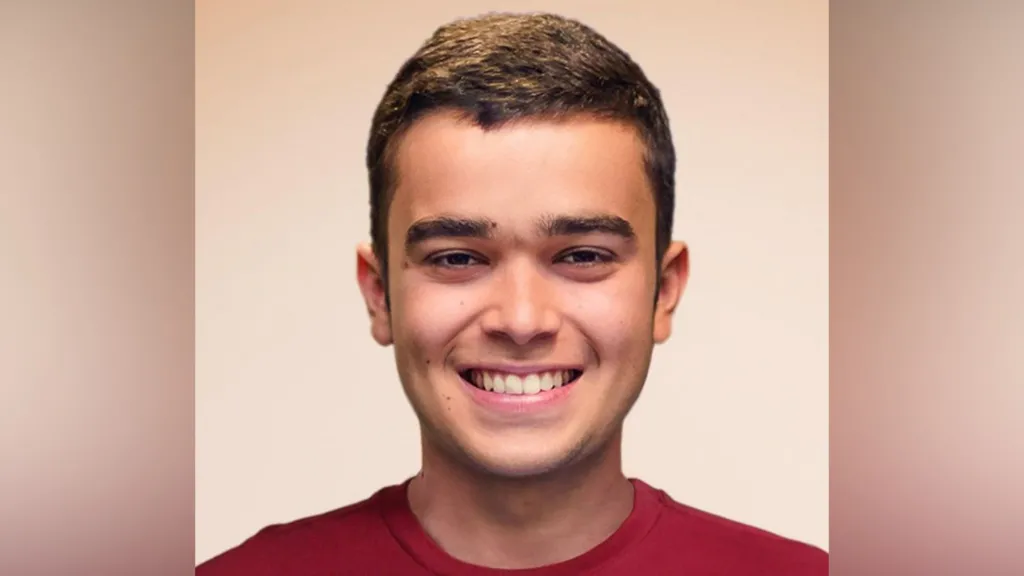
The Diocese of Salford has formally opened the cause for the beatification and canonisation of Pedro Ballester, the 21-year-old Opus Dei member who died of cancer in 2018 and could become the Catholic Church’s first Gen Z Saint The Diocese of Salford has formally opened the cause for the beatification and canonisation of Pedro Ballester, the 21-year-old who died of cancer in 2018 and is now on the path to becoming the Catholic Church’s first Gen Z saint. In a statement issued on 13 May, the Diocese of Salford said: “We are pleased to announce the opening of the Cause for the Beatification and Canonisation of Pedro Ballester, a young Manchester man whose life of faith and witness continues to inspire many.” Pedro died on 13 January 2018 at the age of 21. Born in Manchester in 1996 to Spanish parents, he later grew up in Harrogate before studying chemical engineering at Imperial College London. The diocese said that “shortly after beginning university, Pedro was diagnosed with advanced pelvic cancer” and that he “accepted his illness with remarkable faith, offering his suffering for the Pope, the Church and all souls, and bearing his condition with deep serenity and trust in God”. The Church will now investigate whether Pedro lived a life of heroic virtue. Evidence will be gathered concerning Pedro’s life, writings and reputation for holiness before documentation is eventually sent to Rome for examination by the Dicastery for the Causes of Saints. The diocese said that Pedro’s “reputation for holiness has grown significantly” in the years since his death, adding that the postulator of the cause, Fr Paul Hayward, had formally requested the opening of proceedings. Bishop John Arnold of Salford has invited the faithful to submit “personal testimonies, memories and any writings attributed to him, such as letters or diaries” to assist the investigation. Pedro Ballester was a numerary member of Opus Dei, having joined the institution as a teenager after attending classes of Christian formation at Greygarth Hall in Manchester. His family had ties to Opus Dei, and he was known among friends for combining academic ability with an outgoing and sociable personality. After achieving top grades in his A-levels, Pedro began studying at Imperial College in 2014. Within months he developed severe back pain and was diagnosed with advanced pelvic cancer. He later transferred his studies to the University of Manchester while receiving treatment, though deteriorating health repeatedly interrupted his degree. For much of the following three years he underwent intensive treatment at The Christie NHS Foundation Trust, as well as specialist treatment in Heidelberg, Germany. Fr Joseph Evans, chaplain of Greygarth Hall, who accompanied Pedro during the final stages of his illness, previously told the press: “Pedro was very much an ordinary person with defects and struggles. Sometimes the suffering got him down, particularly that it went on for so long. At times he would cry. He could be occasionally irritated or react against what he considered excessive sentimentality. But his struggle was very real and exceptionally brave.” Pedro met Pope Francis during a visit to Rome in 2015 after a temporary improvement in his condition. In the final months of his life he spent periods living at Greygarth Hall surrounded by fellow members of Opus Dei, friends and relatives, while continuing treatment in Manchester. According to Opus Dei, more than 500 people attended his funeral Mass at the Holy Name Church in Manchester, celebrated by Bishop Arthur Roche, now a Cardinal and Prefect of the Dicastery for Divine Worship and the Discipline of the Sacraments. In a homily delivered after Pedro’s death, Fr Evans said: “Suffering was the curriculum, the syllabus, which Pedro was given to study, not in some abstract, intellectual manner, but in the most personal, flesh and blood manner you can imagine. And he passed with distinction.” If Pedro’s cause advances, he would become one of the youngest British candidates for sainthood in modern times and could become the first “Gen Z” person to be canonised. Jack Valero, head of communications for Opus Dei in Great Britain, told AdVaticanum: “It’s wonderful to see how God is drawing out new models of holiness among young people in the last few years: Carlo Acutis, Pier Giorgio Frassati, Sister Clare Crockett, and now Pedro Ballester. They show us that holiness is possible in the 21st century, even from a very young age, and that holiness leads to deep happiness. Pedro was above all a very happy person, even in the middle of his suffering. He is becoming another role model for many young Catholics today.” In the aftermath of Pedro’s death, a group of friends established a website “with the hope that one day Pedro will be counted among the saints in the Catholic Church”. Hundreds of people from all over the world have posted stories of spiritual and physical graces received which they attribute to the intercession of Pedro.
May 15, 2026