

Outside the Walls
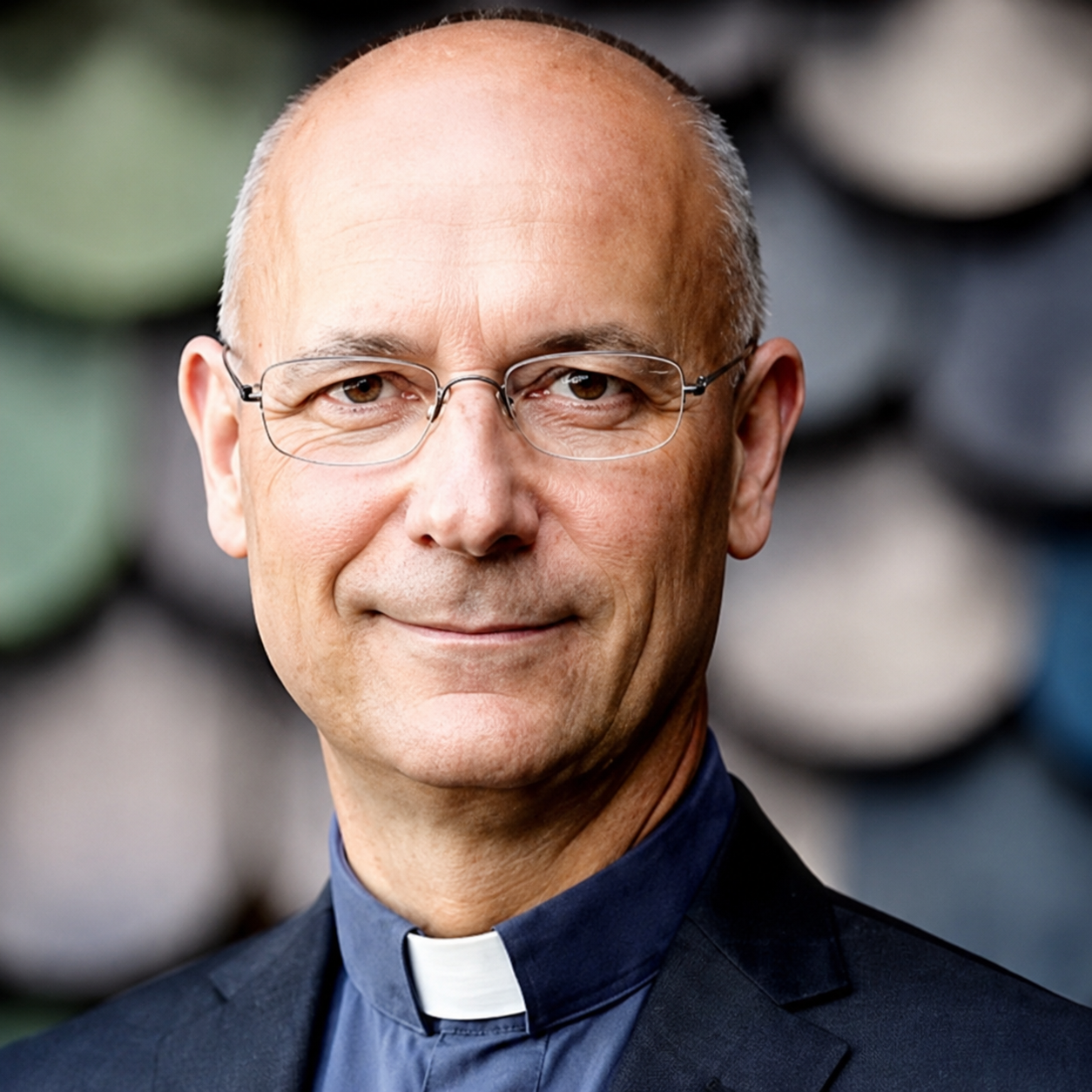
Vienna’s controversial cathedral rector to step down after 30 years
The Archdiocese of Vienna has confirmed that Fr Toni Faber will step down as rector of St Stephen’s Cathedral in 2027. The priest has long attracted attention for his media profile, comments on celibacy and support for blessings for same-sex couples The Archdiocese of Vienna has confirmed that the controversial priest Fr Toni Faber will step down as rector of St Stephen’s Cathedral in 2027, bringing to an end almost three decades in one of the most prominent clerical posts in the Austrian Church. The announcement was made by Archbishop Josef Grünwidl, who said that new leadership would be appointed for the cathedral in the summer of 2027. Speaking to the Austrian broadcaster ORF, the archbishop insisted that the decision was principally linked to the unusually long duration of Fr Faber’s tenure rather than any disciplinary measure. “No one has held this office for 30 years,” Archbishop Grünwidl said, describing the priest’s period in office as “a record”. The archbishop also stressed that the 64-year-old priest would not disappear from public ministry and would continue to exercise a pastoral role connected to the cathedral and the centre of Vienna. “We were ordained priests on the same day here in St Stephen’s Cathedral,” Archbishop Grünwidl said, underlining the personal bond between the two men as he praised Fr Faber’s decades of service. Fr Faber has long occupied an unusually prominent media profile for a diocesan priest and has frequently attracted controversy for remarks and public positions which drew criticism from more conservative Catholics. Recent media reports in Austria further intensified scrutiny of the priest after renewed attention was given to his appearances at public dance events accompanied by a woman. Although no formal accusation of misconduct emerged, the reports added to longstanding criticism surrounding his lifestyle and pastoral approach. Over the years he publicly questioned mandatory priestly celibacy and voiced support for blessings for same-sex couples. His regular appearances in Austrian public life, including events linked to politics, culture and entertainment, also distinguished him from the more restrained public image usually associated with cathedral clergy. Despite the controversy, the Archdiocese of Vienna has given no indication that Fr Faber’s departure from the rectorship represents any form of sanction. Archbishop Grünwidl instead repeatedly stressed that the priest would remain active within pastoral life in Vienna and continue to be associated with St Stephen’s Cathedral. Fr Faber himself indicated that he has no intention of withdrawing quietly from ecclesiastical life. Speaking about his future after the announcement, he said: “Being a priest and pastor is written in my DNA.” He added that he hoped to continue serving as a “bridge” between the Church and wider society, mentioning politics, business and culture among the fields in which he wished to remain active. He also referred to possible work connected with urban pastoral ministry in central Vienna. Fr Faber was appointed rector in 1997 and became closely associated with the public life of the cathedral through televised liturgies, high-profile funerals and appearances alongside leading figures from Austrian political and cultural life. His departure in 2027 will end one of the longest tenures in the cathedral’s history, with the archdiocese expected to announce his successor closer to the date of the transition.
May 27, 2026
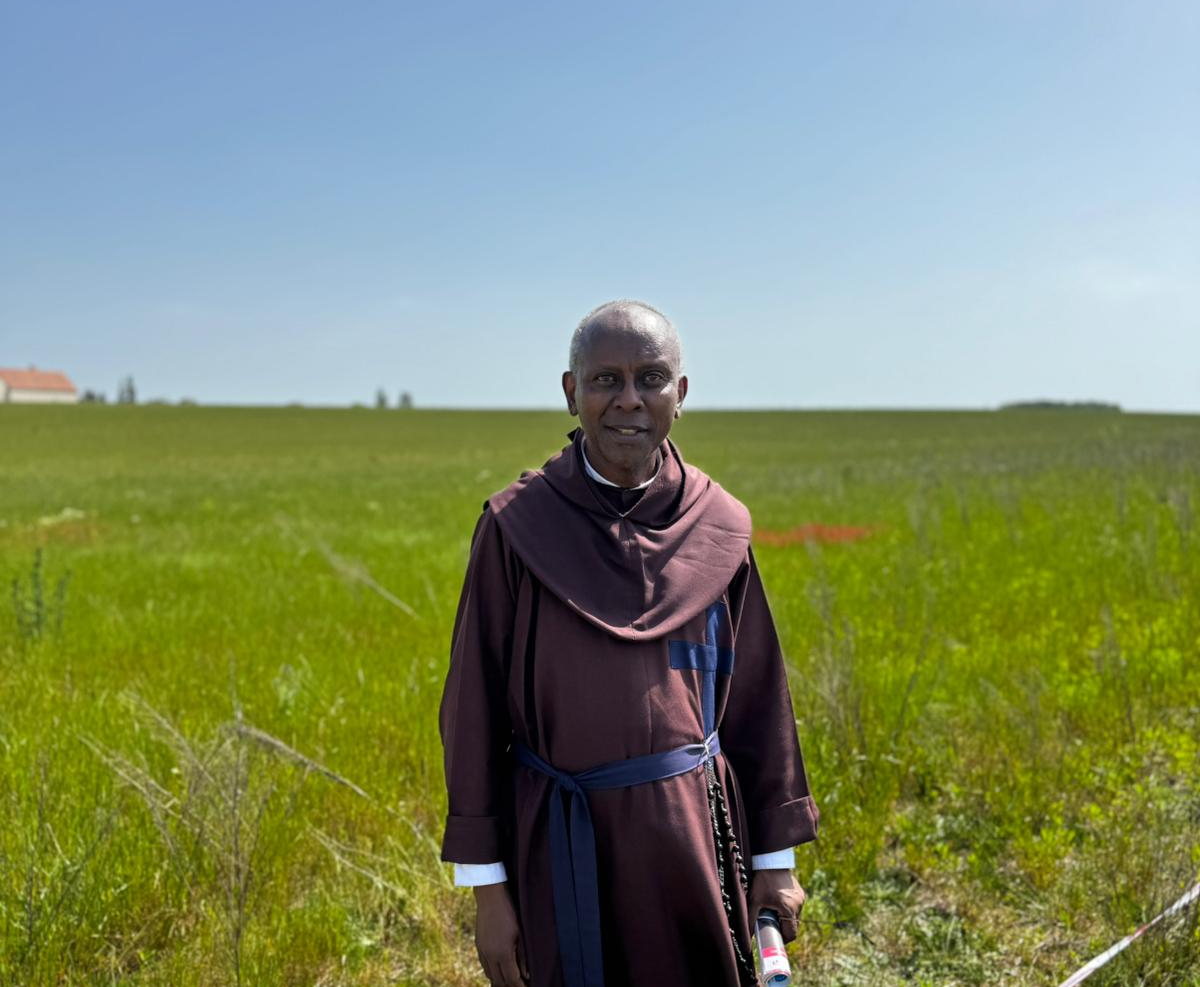
‘Chartres is the hope of Europe’: interview with Father Antonius Maria Mamsery
In an exclusive interview with AdVaticanum, Father Antonius Maria Mamsery, Superior General of the Missionaries of the Holy Cross, describes the Chartres pilgrimage as the “hope of Europe” and speaks about the revival of the Traditional Latin Mass, Africa’s growing vocations, and the future of the Church in Europe This year’s annual Pèlerinage de Chrétienté saw more than 20,000 people walk from Paris to the medieval cathedral city of Chartres. On Sunday, the pilgrims arrived in a field just outside Rambouillet, Yvelines, for Pentecost Sunday Solemn High Mass. The celebrant was Father Antonius Maria Mamsery, a Tanzanian priest and Superior General of the Missionaries of the Holy Cross (MSC). Chief celebrant of the 2023 Summorum Pontificum pilgrimage, Fr Antonius is well known for his attachment to the Tridentine Mass. Indeed, his community’s charism is to offer the traditional Mass, particularly in parts of the world where it is not readily available. After Holy Mass, Fr Antonius was kind enough to sit down with AdVaticanum and share his thoughts on the Church in Africa and Europe, the Traditional Latin Mass, and his impressions of the Pèlerinage de Chrétienté, which he was attending for the first time. AV: Father Antonio, could you share the story of your vocation to the priesthood and how you came to be superior of your community? AM: My vocation began when I was very young. My parents used to tell me that when I was around eight years old I was already teaching my brothers how to say Dominus Vobiscum , and sometimes I would cut up apples and distribute them to them like Communion. Later, I entered a minor seminary in the Kilimanjaro region of Tanzania. Then I discovered the beginnings of my congregation and moved from the seminary into the congregation in 1985. I joined this congregation then and have remained in it until now. My community was received by Saint John Paul II as one of the Ecclesia Dei communities from the beginning of the department’s establishment in 1988. We are one of those groups that preserved tradition without any negativity towards the Church. AV: As a native Tanzanian priest, what have you observed about the growth of the Traditional Latin Mass and the future of the Church in Africa? AM: When the liturgical changes were introduced, the natives were very obedient. They obeyed the hierarchy, but they still had this nostalgia. They were still searching for something. So, when we present to them the traditional liturgy, they sometimes have this very touching expression: “Oh, the Mass returned!” It is wonderful. They knew something was lost because they were faithful to the tradition. In Africa, devotion to the traditional Mass is growing. People are searching for it in countries like Uganda, Tanzania and parts of North Africa. Now I receive calls from young people from Mozambique, Angola and South Africa who want to know the traditional Mass. I have visited some of these groups and they are very enthusiastic. They want to know more about it. AV: The media has often reported that the Church in Africa is experiencing significant growth, while the Church in Europe is in a state of decline. Do you think this accurately represents the state of the Church? AM: I think that is quite accurate. But for me, Chartres has been very impressive. There are so many children here and I had never seen such a large group of children and young people in Europe. When you go to church, normally there are people from everywhere, in Germany, in Italy, in England, where I have visited, but in the traditional communities there are many young people. Traditional families are numerous, so they can be the future of the countries in Europe. AV: Do you think there will be a future when Africa, especially in the form of priests, will be the continent to re-evangelise Europe? AM: Yes. There are many vocations in Africa and there are many major seminaries. In my country, we had three major seminaries, but now there are at least seven and they are completely full. The numbers range from 300 to 400 in the major seminaries. If many of them are ordained, they can be sent to re-evangelise or help bishops who do not have vocations in their dioceses. In some parts of Europe there are dioceses that have only one seminarian or two, and they will need priests. There are men in Africa and Asia who are being formed for the priesthood and will be able to help others. Yesterday evening I was speaking with someone who told me that here in France a large number of diocesan priests are from Africa because the lack of priests in Europe is now very great. AV: In your homeland, there are a large number of communities where Catholics and Muslims live alongside one another. How does the Church interact with followers of Islam living amongst them? AM: Many Muslims are converting to Christianity. For example, during this Easter season many have been baptised. They come for catechism, they bring their children and they come to our schools. In Zanzibar, which is predominantly Muslim, we have various schools and many of those who register are Muslim families who learn about the Christian religion peacefully. There are not the fanatics that can sometimes be found in North Africa, where there are conflicts. In Tanzania there is peace between the two religions. We are friendly, we share our cultures and many other things. AV: What is your impression of this Pentecost pilgrimage to Chartres and the movement around it? AM: Well, this is my first time in Chartres. It is the hope of Europe, the hope of Christian culture, the hope of the revival of the faith and of Catholicism as it once was. The people are making sacrifices, walking in peace, praying and singing. The priests are hearing confessions, blessing people and offering guidance. You would not expect this in our time. You would expect people to be busy with their phones or television. But now they have left their homes to walk this hundred-kilometre pilgrimage. This is a revival of the faith. That is wonderful. AV: One of the characteristics of Chartres is the respect and devotion shown to priests. Why do you think this is? AM: Catholics and society itself respect priests when they live as priests. If priests in some way abandon themselves, so will be the response. But these priests of the traditional groups are trying their best to live their priesthood well. That is why people are so open to them. Young people see them and discover they have a vocation as well. They see the priest and think: “I want to be like that.” Young families will look and say: “How can my son become like that priest?” They often come from large Catholic families and their parents want them to be open to becoming a priest. AV: And finally, Father, how can people support your mission? AM: My community is growing rapidly. We have a great need for more space. I have started a minor seminary for early vocations. Initially we only had 17 young people, so I thought perhaps I had to offer a structure that could support up to 50, and suddenly we had 300. We need support so that we can provide the boys with board, classes and more. When they finish high school, we now have to offer them the opportunity to continue their philosophy and theology studies at a major seminary. So, if there are good people who want to help so that we have the possibility to grow, we will be very grateful. One of our men was recently ordained a priest in the Philippines and we had many young men saying: “Can I come? Can I come?” So we need the means to expand.
May 26, 2026
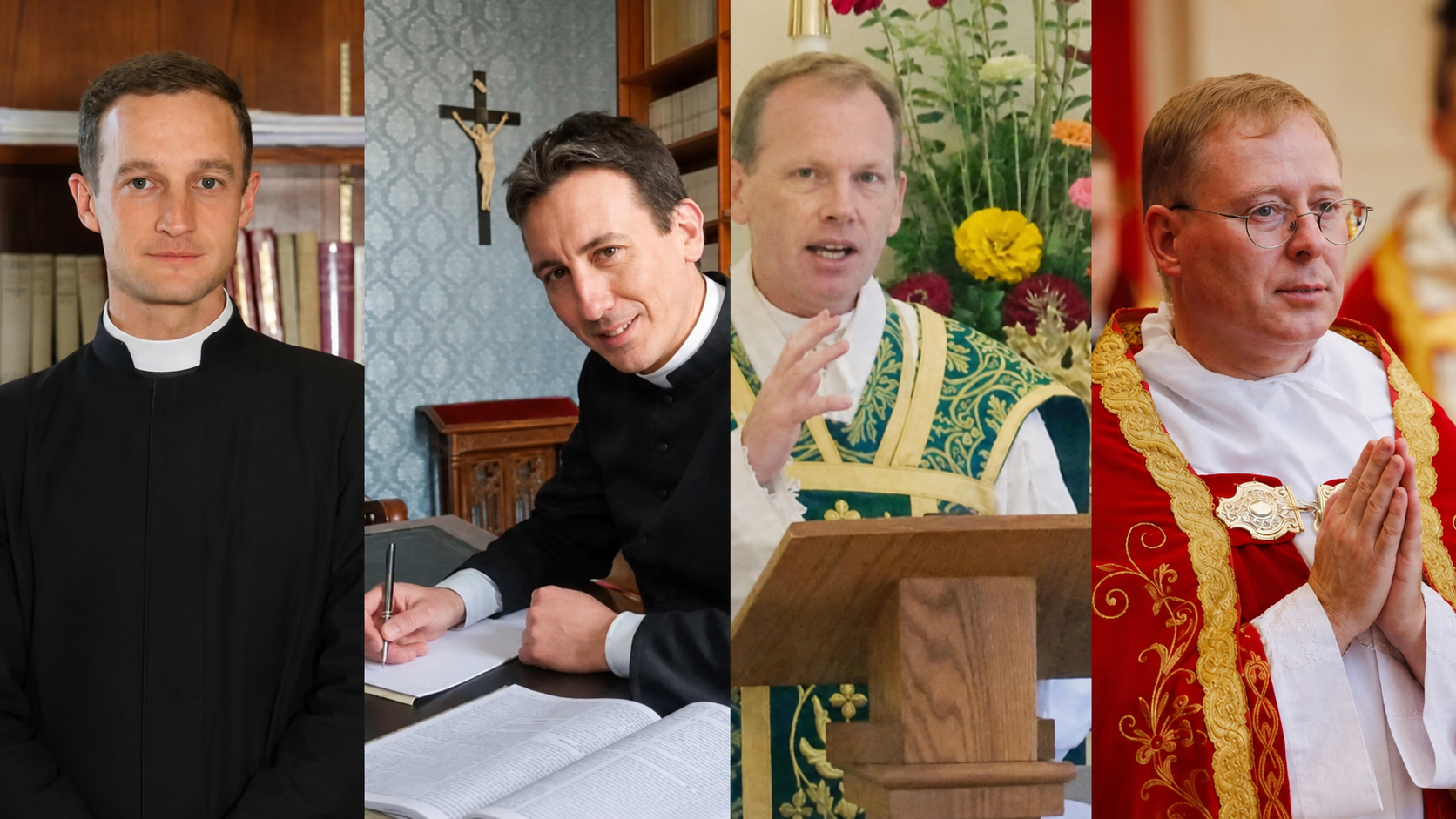
SSPX announces names of four priests to be consecrated bishops at Écône
The SSPX has announced the names of four priests who will be consecrated bishops at Écône on July 1, saying the move is intended to preserve the traditional sacraments during what it described as an “unprecedented crisis of the Faith” The Society of Saint Pius X has announced the names of the priests who will be consecrated bishops at Écône on July 1. In a communiqué issued from the SSPX General House in Menzingen on May 26, Father Davide Pagliarani, the Superior General of the society, said the names of the four priests had been presented to Pope Leo XIV “together with certain explanations necessary for a proper understanding of this step”. The statement said the episcopal consecrations would take place “in a spirit of respect towards the supreme authority of the universal Church” and insisted that the move did not represent “a denial of, refusal of, or challenge to the supreme, full, and immediate power of jurisdiction of the Vicar of Christ over the universal Church”. “The ceremony of July 1st will have no other purpose than to ensure the continued administration of the sacraments of Holy Orders and Confirmation, together with those sacramentals reserved to bishops, according to the traditional rite of the Holy Roman Church and the immemorial Faith,” the communiqué said. It added: “The episcopacy to be received by these priests is therefore conceived solely as a service rendered to souls and to the Church during this unprecedented crisis of the Faith.” The four priests named for consecration are Father Pascal Schreiber, rector of the SSPX seminary in Zaitzkofen, Germany; Father Michael Goldade, rector of St Thomas Aquinas Seminary in Dillwyn, Virginia; Father Michel Poinsinet de Sivry, Superior of the Benelux District; and Father Marc Hanappier, professor of theology at the society’s American seminary. Father Schreiber, 53, was born in Switzerland and ordained in 1998 after studies at the seminaries of Zaitzkofen and Écône. After assignments in Germany and Switzerland, he spent more than a decade directing SSPX schools before becoming Swiss District Superior in 2016. Since 2020 he has served as rector of the German seminary. Father Goldade, 45, comes from St Marys, Kansas, one of the principal centres of the SSPX in the United States. Ordained in 2004, he worked in Michigan and Connecticut before becoming prior of the large Kansas City apostolate. He was appointed rector of St Thomas Aquinas Seminary in Virginia in 2023. Father Poinsinet de Sivry, 42, was ordained in 2008 and worked in schools and apostolates in France before being appointed head of the Benelux District in 2022. The communiqué noted his work at Saint Nicolas du Chardonnet in Paris, the church occupied by traditionalists since 1977. The youngest of the four, Father Hanappier, 36, was ordained in 2013 and currently teaches metaphysics and dogmatic theology in Virginia. Before joining the seminary faculty he worked in schools in France and spent a year in Scotland improving his English while assisting in parish ministry. The SSPX was founded in 1970 by Archbishop Lefebvre, the former Superior General of the Holy Ghost Fathers, after disputes over the reforms which followed the Second Vatican Council. Tensions with Rome escalated throughout the 1970s and 1980s, culminating in the consecration of four bishops at Écône on June 30, 1988. Pope John Paul II declared at the time that the consecrations constituted “a schismatic act”, and Lefebvre and the four bishops incurred automatic excommunication. Archbishop Lefebvre defended his actions by arguing that extraordinary measures were necessary to preserve the traditional priesthood and sacraments. Relations between Rome and the SSPX improved under Pope Emeritus Benedict XVI, who lifted the excommunications of the surviving bishops in 2009 and opened doctrinal talks with the society. Pope Francis later granted SSPX priests faculties to validly hear confessions and allowed local bishops to delegate them to witness marriages under certain conditions. Image: The four priests to be ordained bishop by the Society of St Pius X. From left to right: Father Marc Hanappier, Father Michel Poinsinet de Sivry, Father Michael Goldade and Father Pascal Schreiber. Image: The four priests to be consecrated bishops by the Society of Saint Pius X. From left to right: Father Marc Hanappier, Father Michel Poinsinet de Sivry, Father Michael Goldade and Father Pascal Schreiber.
May 26, 2026
Global reactions pour in after Pope Leo XIV’s AI encyclical
Politicians, bishops and technology leaders across the United States, Britain and Canada have begun responding to Pope Leo XIV’s first encyclical, Magnifica Humanitas The first international reactions to Pope Leo XIV’s inaugural encyclical have begun to emerge less than 24 hours after its publication, with bishops, politicians and technology figures across the United States, Britain and Canada welcoming the document’s warnings about the dangers posed by artificial intelligence. The encyclical, Magnifica Humanitas, was released by the Vatican on 25 May and is already being compared to Pope Leo XIII’s landmark 1891 social encyclical Rerum Novarum, which addressed the upheavals of the Industrial Revolution. Pope Leo XIV deliberately dated the text 15 May to coincide with the 135th anniversary of the earlier document. One of the strongest official political reactions came from the United States ambassador to the Holy See, Brian Burch, who praised the Vatican’s intervention in the growing global debate surrounding AI. “We welcome the Holy See’s important contribution to the subject of artificial intelligence,” Burch said. “The Vatican’s moral leadership on technology and human dignity contributes meaningfully to the global conversation on AI.” Burch said the United States shared the Holy See’s commitment to ensuring that artificial intelligence “serves humanity and upholds fundamental values”, while also defending the Trump administration’s emphasis on innovation and American leadership in the sector. “The United States is likewise committed to exporting American AI technologies built on principles of transparency, security and human flourishing, ensuring the world benefits from AI systems that reflect democratic values rather than authoritarian control,” he said. David Sacks, the technology investor and former White House AI adviser, also responded publicly to the encyclical, agreeing with the Pope’s argument that AI should remain a tool at the service of humanity rather than become an instrument of “domination or exclusion”. Writing on X, however, Sacks questioned how governments could be trusted with increased regulatory authority over artificial intelligence. “If we hand governments sweeping power over AI development in the name of safety, how do we prevent it from being used to censor, surveil and control citizens, as Orwell foretold in 1984?” he wrote. “This is the real alignment problem. The oldest questions of human nature and authority don’t disappear in the AI age. They become newly relevant.” The encyclical also drew praise from Democratic Senator Chris Murphy of Connecticut, who said Pope Leo XIV had articulated growing concerns about the social and moral effects of artificial intelligence. “AI threatens to undermine the basic building blocks of humanity as it seeks to replace our most basic functions, like creativity, friendship and critical thinking,” Murphy wrote, describing the Pope’s warning against monopolisation of AI technologies by powerful corporations as “really important”. Catholic bishops throughout the English-speaking world moved quickly to welcome the document, presenting it as a major contribution to Catholic social teaching at a moment of rapid technological change. Archbishop Paul S. Coakley of Oklahoma City, president of the United States Conference of Catholic Bishops, said the Church in the United States received the encyclical “with gratitude and praise”. “It is a powerful reminder that no technology can replace a child of God, and all technology should be placed at the service of helping humanity thrive,” he said. Drawing parallels with Rerum Novarum, Archbishop Coakley said Pope Leo XIV had shone “the light of the Gospel and the tradition of the Church” on the opportunities and dangers created by artificial intelligence. “The Pope calls us to never lose sight of the inherent dignity of all human life and the moral imperative for technology to support peace and the common good rather than the limited interests of a few,” he said. The Archbishop also revealed that the US bishops’ conference had already tasked its doctrine committee with coordinating the Church’s response to developments in artificial intelligence. In England and Wales, Archbishop Richard Moth, president of the bishops’ conference, and the Archbishop of Westminster described the encyclical as “an important contribution to integral human development during a time of considerable change”. “One of the first interventions of Pope Leo since he was elected Pope was to draw attention to the profound challenges AI will bring to humanity,” Archbishop Moth said. The Archbishop of Westminster noted that the Church’s social teaching tradition since Rerum Novarum offered substantial guidance for navigating technological and economic upheaval. “We must respond to these, placing the centrality of humanity above all else, most especially the solidarity that is needed if we are to seek peace among peoples,” he said. “Pope Leo reminds us that ‘more powerful does not necessarily mean better.’” Archbishop Moth warned that technology “must not be used to embed unjust economic systems and abuses of power, but must always be at the service of human development”. He also disclosed that the Bishops’ Conference of England and Wales had established a working group to study the encyclical and examine the ethical issues generated by artificial intelligence. Other American bishops issued similar statements within hours of publication. Bishop Michael Burbidge of Arlington said the encyclical was especially welcome “in this time of tremendous social and technological change”. “I encourage all to join me over the coming days in reading Magnifica Humanitas in its entirety and prayerfully considering all that the Holy Father shares,” Bishop Burbidge said. Archbishop Richard Henning of Boston described the document as “timely and important”, while Archbishop Nelson Pérez of Philadelphia encouraged Catholics to reflect on its “vital message” concerning the protection of human dignity during rapid technological development. Bishop William Koenig of Wilmington, Delaware, said the encyclical drew upon the wisdom of Catholic social teaching to ensure that technological progress remained directed towards “human flourishing”. The Canadian Conference of Catholic Bishops also welcomed the document, saying it offered guidance for protecting the human person during “a profound epochal shift”. The bishops highlighted the encyclical’s call for “a civilization of love founded on justice, dialogue and shared responsibility” as an alternative to what the Vatican described as “the culture of power and war”. However, a more critical reaction came from the Bishop Emeritus of Tyler, Bishop Joseph Strickland, who published a lengthy critique arguing that Magnifica Humanitas risked placing excessive emphasis on social structures and human flourishing at the expense of sin, repentance and salvation. While acknowledging the encyclical’s “strong and important” rejection of transhumanism and its warnings about “AI warfare, exploitation, digital manipulation and technological domination”, Bishop Strickland said the document devoted comparatively little attention to “original sin, concupiscence, personal repentance, moral culpability, judgment, hell, penance, or the eternal destiny of the soul”. Bishop Strickland argued that “the roots of evil begin to appear primarily structural rather than spiritual” and warned that the encyclical’s repeated calls for a “civilization of love” risked sounding “less like the fruit of conversion to Christ and more like a global humanitarian project centred on fraternity, solidarity, inclusion and peace”. The former Bishop of Tyler said many Catholics would find the document “deeply unsettling” because “the entire framework is subtly shifting: from God-centredness to man-centredness, from salvation to human flourishing, from sin to systems”. He concluded by warning against “religious humanism” and insisting that “the answer remains what it has always been: Jesus Christ, King of kings and Lord of lords.”
May 26, 2026
Pope Leo XIV warns Europe faces ‘drastic sterility’ after abandoning Christianity and embracing abortion
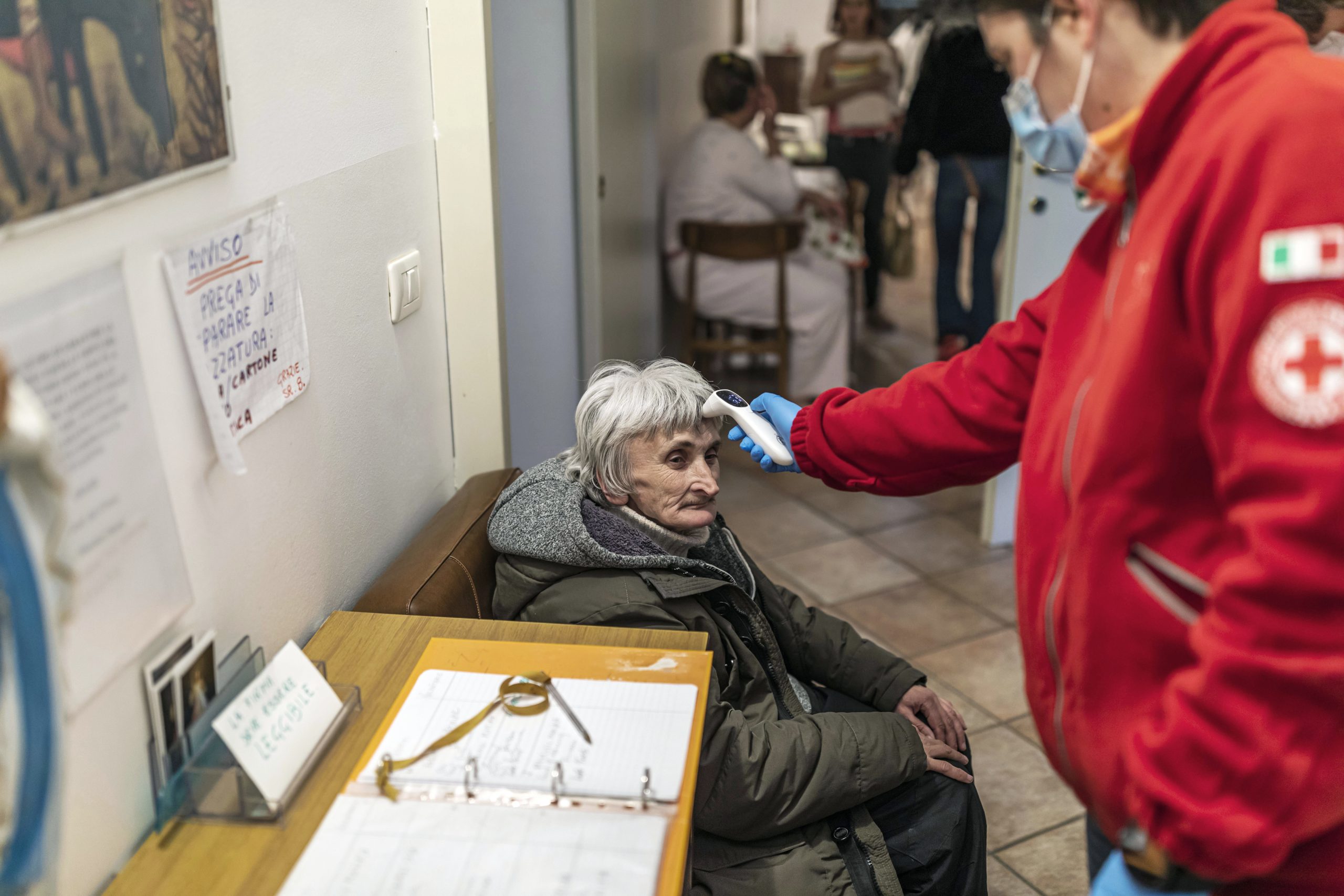
Pope Leo XIV has warned that Europe’s demographic crisis has been driven by the abandonment of the Christian principles that shaped the post-war European project, telling lawmakers in Rome that the continent faces a “time of drastic sterility” marked by abortion. The Pope made the remarks on Monday morning during an audience with members of […] Pope Leo XIV has warned that Europe’s demographic crisis has been driven by the abandonment of the Christian principles that shaped the post-war European project, telling lawmakers in Rome that the continent faces a “time of drastic sterility” marked by abortion. The Pope made the remarks on Monday morning during an audience with members of the European Parliament’s Demography Intergroup in the Clementine Hall of the Apostolic Palace. The meeting brought together MEPs alongside senior European and Italian officials attending a conference on family and demographics, including the European Commissioner for the Mediterranean, the Italian Minister for Family, Natality and Equal Opportunities, and the OSCE Special Representative on Demographic Change and Security. Addressing delegates, the Pontiff described Europe’s falling birth rates and ageing populations as an “urgent challenge with practical implications for millions of people and their families” across the continent. Referring to remarks frequently made by Pope Francis, Pope Leo said Europe was becoming the “‘old continent’ – no longer because of its glorious history, but because of its advancing age”. Official figures for 2024 show that the EU’s total fertility rate fell to a record low of 1.34 live births per woman, with just 3.55 million babies born across the bloc. No European country currently reaches the replacement level of around 2.1 children per woman required to maintain a stable population without imigration. The Pope said the crisis extended far beyond economics and population statistics, warning that it pointed to a deeper collapse in intergenerational solidarity and cultural confidence. “Demographic data are not merely statistics, but speak of fatherhood, motherhood and children,” His Holiness said. “And children are the future.” Pope Leo said Europe had failed to equip younger generations with both the material stability and cultural inheritance necessary to build families and face the future confidently. “Over recent decades, we can see that a rejection of the Christian inspiration of the founding fathers of the EU institutions has led to a time of drastic sterility,” the Pope said, adding that this had occurred “not only because too many have been deprived of the right to be born, but also because there has been a failure to pass on the material and cultural tools that young people need to face the future”. Across Europe, the abortion rate stands at approximately 29 per 1,000 women aged 15–44. In several countries, hundreds of thousands of abortions continue to be performed each year, even as birth rates remain at historic lows. Unsurprisingly, there has also been a rejection of traditional social norms. The EU crude marriage rate has fallen by more than half since the mid-1960s, standing at 3.9 marriages per 1,000 people in 2024. Regrettably, the fall reduction in Catholic marriages has been even greater. The Pontiff criticised what he described as contradictory social policies, which publicly claim to support families while simultaneously undermining motherhood and promoting abortion. He said Europe was increasingly confronted by “purportedly family-friendly policies” that “promote discrimination against motherhood, exalt abortion as a right, and undermine the very foundation of the desire to start a family”. The Pope also linked demographic decline to what he called the “pandemic of loneliness”, describing it as one of the many social consequences flowing from shrinking and ageing populations. He told lawmakers that Europe’s demographic problems demanded coordinated action from political institutions, governments, academics and wider civil society, saying the issue represented “a crucial juncture for the anthropological, social and economic future of Europe”. Pope Leo urged European leaders to place the family at the centre of policymaking and reaffirmed the Church’s teaching that the family is rooted in marriage between a man and a woman. Citing Pope St John Paul II’s apostolic exhortation Familiaris Consortio, he said the family remained “the first and irreplaceable school of social life” and described it as “founded on marriage between a man and a woman, a reality that unites the personal and public dimensions”. The Pontiff said lawmakers had a responsibility to encourage the “shared responsibility and active role of families in social, political and cultural life”, while also safeguarding the principle of subsidiarity. “For only by respecting and promoting this central place of the family, and applying the principle of subsidiarity, is it possible to avoid the two extremes of excessive State intervention and individualism,” His Holiness said. Throughout the address, Pope Leo framed demographic decline not simply as a policy challenge but as a question touching the future identity and stability of Europe itself. He called for cooperation between European institutions and Christian organisations, pointing to the work of the Federation of Catholic Family Associations in Europe and the Commission of the Bishops’ Conferences of the European Union as examples of how civil society groups could contribute to political debate and practical reform. “This is the impetus Christians are bringing to the European project,” he said, “so that policies look to human persons in their entirety and always promote the dignity of human beings.” The Pope insisted the Church was not proposing a return to older political or social arrangements, but rather the recovery of enduring principles capable of guiding modern societies through cultural and demographic decline. “This approach is not a matter of returning to social models of the past,” he said, but of offering “unchanging principles” capable of answering fundamental questions about “the meaning and value of human life”, authentic human society and the kind of world future generations will inherit. The Pope concluded by calling for what he described as “a fresh springtide for the family” to reverse “the winter chill of our ageing populations”. Pope St John Paul II made opposition to abortion and the defence of the family defining themes of his pontificate, particularly in Evangelium Vitae, his 1995 encyclical condemning abortion and euthanasia. Pope Leo’s address continues that emphasis while placing demographic decline at the centre of wider debates over Europe’s future direction. “What kind of world do we want to hand on to future generations?” the Pope asked delegates gathered in the Apostolic Palace. The question hung over the audience as European lawmakers departed the Vatican. In his comments, the Pontiff added his voice to some of the existential questions facing the continent, which can at present only accurately be described as being in a state of decline.
May 26, 2026
Archbishop accuses Papua documentary makers of “one-sided” propaganda
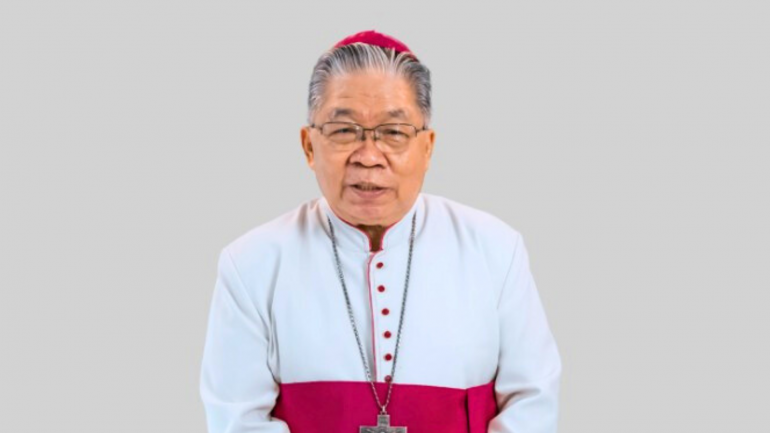
Archbishop Petrus Canisius Mandagi has accused the makers of a controversial documentary on development projects in Papua of producing “one-sided” propaganda Archbishop Petrus Canisius Mandagi has accused the makers of a controversial documentary about development projects in Papua of producing “one-sided” propaganda as tensions deepen between Indonesians and Indigenous Papuans. The Archbishop of Merauke criticised the film Pig Feast: Colonialism of Our Time for excluding the perspective of clergy in his archdiocese while amplifying accusations that the Church had aligned itself with companies linked to deforestation and the Indonesian government’s National Strategic Project. “Why did they not come to ask the bishop or the priests who live here?” Archbishop Mandagi said in comments released by the archdiocese on May 21. “They only took opinions from those who share the film’s purpose.” The documentary examines the expansion of food estate and bioenergy projects across South Papua and alleges that vast areas of indigenous land are being converted into industrial plantations. It includes criticism from Bishop Bernardus Bofitwos Baru, who has repeatedly warned of the environmental and social consequences of large-scale development in the region. Archbishop Mandagi questioned why the filmmakers had interviewed bishops from outside Merauke while overlooking the local hierarchy. He also rejected claims that his archdiocese had endorsed the destruction of forests or cooperated with companies involved in the projects. He described the allegations as “a major slander”. The Archbishop also objected to the documentary’s use of the pig feast ceremony as a political symbol, arguing that the tradition held deep spiritual significance among Papuan communities. “The pig feast is sacred. It strengthens brotherhood and connects people with God,” he said. “If it is used as a political tool, it becomes an insult to Papuans.” The controversy continues a bitter dispute between Archbishop Mandagi and sections of the Catholic laity of Papuan origin, where protests against the National Strategic Project have continued for months. The National Strategic Project is Indonesia’s large-scale infrastructure and economic programme designated by the government to drive economic growth, improve public welfare and accelerate regional development. However, for many indigenous Papuans, the project is centred on the massive Merauke food, sugarcane and bioethanol estate in South Papua, which they say has resulted in widespread human rights violations, severe environmental degradation and systematic displacement. The Voice of the Papuan Catholic Laity, a movement of indigenous Catholics which has organised demonstrations outside churches since 2024, accuses the Archbishop of siding with state authorities and corporate interests against local communities. Relations deteriorated further after Archbishop Mandagi warned during a homily in April that protesters disrupting churches would “perish”, remarks which triggered fresh demonstrations and renewed calls for his resignation. Soleman Itlay, a leading figure in the lay movement, said the Archbishop’s latest intervention came only after public criticism intensified. “Why didn’t he speak before?” he said while disputing the Archbishop’s denial of support for the National Strategic Project. “He has previously made public statements endorsing these projects. He has received company executives and military officials at the diocesan office, while closing the door to us, the indigenous Papuans.” The lay movement formally demanded Archbishop Mandagi’s resignation earlier this month in a nine-point open letter which accused the 78-year-old prelate of harming the archdiocese and alienating indigenous Catholics. The letter alleged that Archbishop Mandagi had “manipulated the pulpit” against priests and members of the congregation and accused him of fostering “anger, resentment, hatred and anxiety” within the Church. The Archbishop was also accused of maintaining close relations with corporations involved in the strategic development projects and of supporting programmes which indigenous Papuans say threaten forests, livelihoods and ancestral land. Archbishop Mandagi has consistently denied backing environmental destruction and has defended his cautious public approach to the projects. “Silence is also a way of resisting,” he said in the recent interview. “If I speak, my words will be twisted and may divide the Church.” He also criticised what he described as selective outrage over development in South Papua. “There are big eyes on South Papua, but no eyes on destruction elsewhere,” he said in an apparent reference to mining operations in other parts of Papua. Criticism of the National Strategic Project has also increased among environmental campaigners and human rights advocates, who say the programme risks transforming large areas of rainforest and wetland into industrial estates. Reports cited by activists claim concessions covering more than 560,000 hectares have already been granted to companies linked to sugarcane plantations, while wider plans envision the conversion of millions of hectares of forest, swamp and savanna into agricultural land. Archbishop Mandagi, a member of the Missionaries of the Sacred Heart, previously served as Bishop of Amboina before being appointed Apostolic Administrator of Merauke in 2019 and Archbishop the following year. The Archdiocese of Merauke is home to around 100,000 Catholics, many of them indigenous Papuans living in impoverished rural communities.
May 24, 2026