

Latest
Pope Leo XIV’s first encyclical now expected later this month
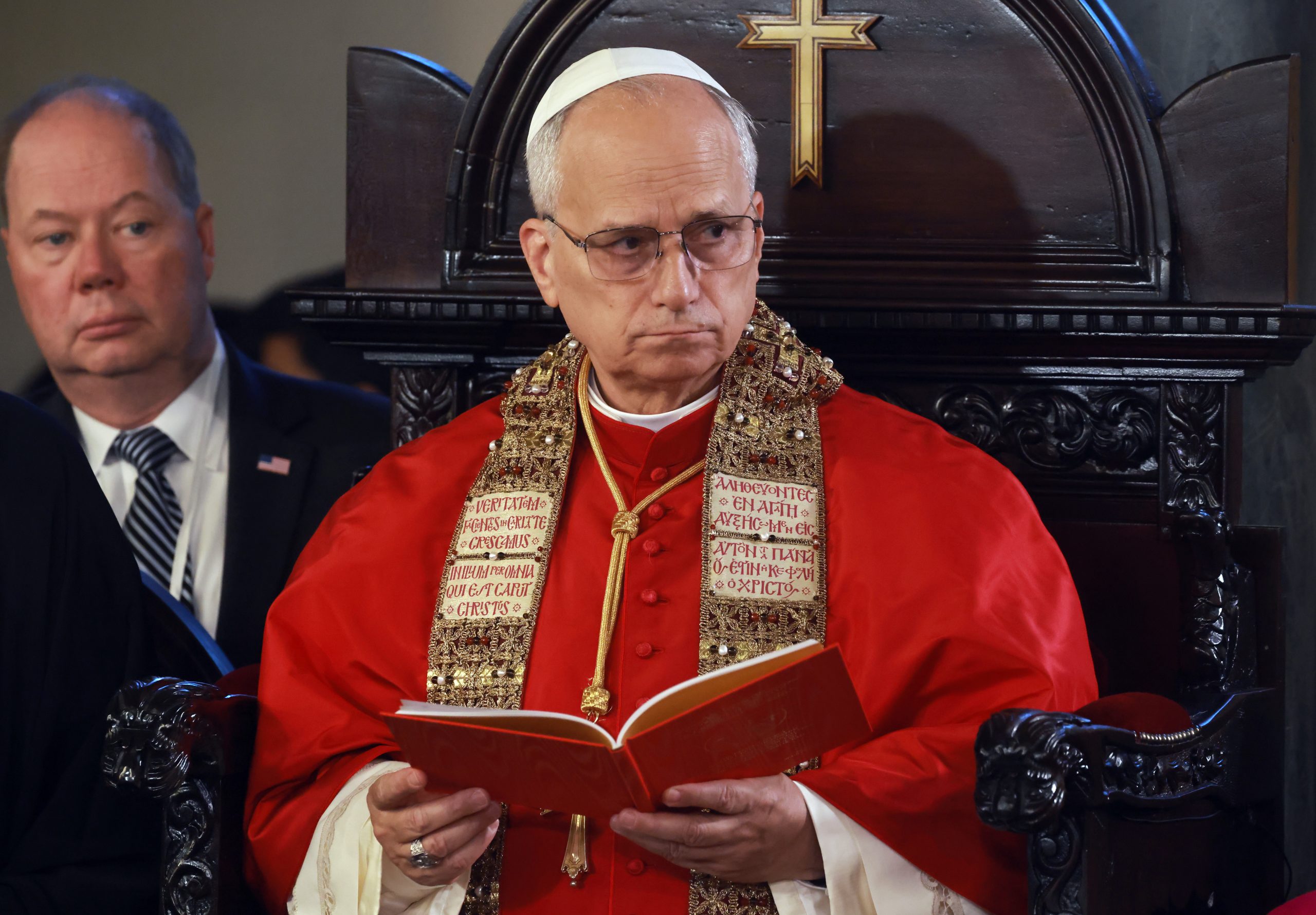
Pope Leo XIV’s first encyclical, expected to address artificial intelligence, international peace and the crisis in international law, is now expected later this month after the Holy See Press Office indicated an announcement regarding the document will be made on May 22 Pope Leo XIV’s first encyclical, which was widely reported as being due to be signed today, is now not expected to be signed and published until later this month. According to reports from the German Catholic news agency KNA, it had been due to be signed on May 15. However, Matteo Bruni, director of the Holy See Press Office, told journalists that an announcement regarding the document will be made on May 22. Circulating under the provisional title Magnifica Humanitas , it is expected to address a range of issues including artificial intelligence, international peace and what sources describe as a crisis in international law. The encyclical follows earlier indications that the Holy See had been preparing a document focused specifically on artificial intelligence. At the beginning of February, reports pointed to work under way on a text examining the ethical and anthropological implications of emerging technologies. Pope Leo XIV has already spoken about the risks associated with technological development, warning of the dangers posed by “uncontrolled technology” and stressing the importance of safeguarding human dignity. According to reports, the encyclical will also address geopolitical instability and the perceived weakening of international legal structures. The document is expected to set out the Church’s response to some of the principal challenges facing humanity in the 21st century. The anticipated date of May 15 would have matched the signing and publication of Rerum Novarum , Pope Leo XIII’s best-known encyclical, which was issued on May 15, 1891. The document is regarded as the foundational text of modern Catholic social teaching and addressed the condition of workers during the industrial age. The same date was chosen in 1931 by Pope Pius XI for Quadragesimo Anno , which developed the Church’s teaching on social order and introduced the principle of subsidiarity. Thirty years later, on May 15, 1961, Pope John XXIII promulgated Mater et Magistra , which focused on economic justice and social development. However, with an announcement now expected on May 22, it is possible that the release date may instead coincide with John Paul II’s Ut Unum Sint , on ecumenism, which was issued on May 25, 1995, or Pope Leo XIII’s Annum Sacrum , which was issued on May 25, 1899 and consecrated the entire human race to the Sacred Heart of Jesus. The expected treatment of artificial intelligence would build on recent Vatican teaching. In January 2025, the Dicastery for the Doctrine of the Faith and the Dicastery for Culture and Education issued Antiqua et Nova , a joint note on “the relationship between artificial intelligence and human intelligence”. The document said AI could bring “important innovations” but warned that it also carried the danger of deepening inequality, manipulating public opinion and expanding “the instruments of war well beyond the scope of human oversight”. It added that artificial intelligence “should not be seen as an artificial form of human intelligence, but as a product of it”, and insisted that it “should be used only as a tool to complement human intelligence rather than replace its richness”. As yet, no date has been confirmed and the title Magnifica Humanitas remains provisional.
May 15, 2026
Cause opens for canonisation of Gen Z Opus Dei numerary
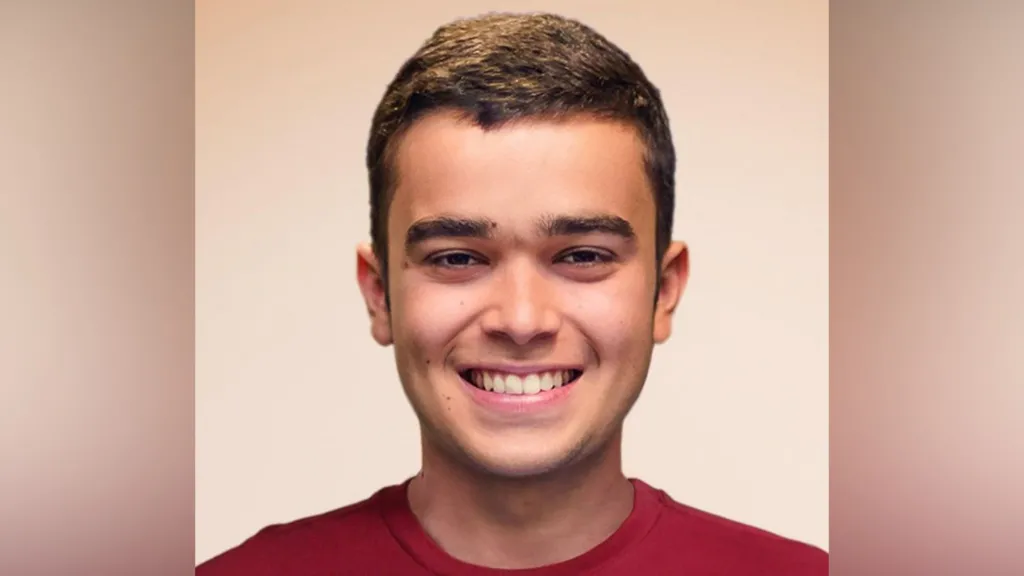
The Diocese of Salford has formally opened the cause for the beatification and canonisation of Pedro Ballester, the 21-year-old Opus Dei member who died of cancer in 2018 and could become the Catholic Church’s first Gen Z Saint The Diocese of Salford has formally opened the cause for the beatification and canonisation of Pedro Ballester, the 21-year-old who died of cancer in 2018 and is now on the path to becoming the Catholic Church’s first Gen Z saint. In a statement issued on 13 May, the Diocese of Salford said: “We are pleased to announce the opening of the Cause for the Beatification and Canonisation of Pedro Ballester, a young Manchester man whose life of faith and witness continues to inspire many.” Pedro died on 13 January 2018 at the age of 21. Born in Manchester in 1996 to Spanish parents, he later grew up in Harrogate before studying chemical engineering at Imperial College London. The diocese said that “shortly after beginning university, Pedro was diagnosed with advanced pelvic cancer” and that he “accepted his illness with remarkable faith, offering his suffering for the Pope, the Church and all souls, and bearing his condition with deep serenity and trust in God”. The Church will now investigate whether Pedro lived a life of heroic virtue. Evidence will be gathered concerning Pedro’s life, writings and reputation for holiness before documentation is eventually sent to Rome for examination by the Dicastery for the Causes of Saints. The diocese said that Pedro’s “reputation for holiness has grown significantly” in the years since his death, adding that the postulator of the cause, Fr Paul Hayward, had formally requested the opening of proceedings. Bishop John Arnold of Salford has invited the faithful to submit “personal testimonies, memories and any writings attributed to him, such as letters or diaries” to assist the investigation. Pedro Ballester was a numerary member of Opus Dei, having joined the institution as a teenager after attending classes of Christian formation at Greygarth Hall in Manchester. His family had ties to Opus Dei, and he was known among friends for combining academic ability with an outgoing and sociable personality. After achieving top grades in his A-levels, Pedro began studying at Imperial College in 2014. Within months he developed severe back pain and was diagnosed with advanced pelvic cancer. He later transferred his studies to the University of Manchester while receiving treatment, though deteriorating health repeatedly interrupted his degree. For much of the following three years he underwent intensive treatment at The Christie NHS Foundation Trust, as well as specialist treatment in Heidelberg, Germany. Fr Joseph Evans, chaplain of Greygarth Hall, who accompanied Pedro during the final stages of his illness, previously told the press: “Pedro was very much an ordinary person with defects and struggles. Sometimes the suffering got him down, particularly that it went on for so long. At times he would cry. He could be occasionally irritated or react against what he considered excessive sentimentality. But his struggle was very real and exceptionally brave.” Pedro met Pope Francis during a visit to Rome in 2015 after a temporary improvement in his condition. In the final months of his life he spent periods living at Greygarth Hall surrounded by fellow members of Opus Dei, friends and relatives, while continuing treatment in Manchester. According to Opus Dei, more than 500 people attended his funeral Mass at the Holy Name Church in Manchester, celebrated by Bishop Arthur Roche, now a Cardinal and Prefect of the Dicastery for Divine Worship and the Discipline of the Sacraments. In a homily delivered after Pedro’s death, Fr Evans said: “Suffering was the curriculum, the syllabus, which Pedro was given to study, not in some abstract, intellectual manner, but in the most personal, flesh and blood manner you can imagine. And he passed with distinction.” If Pedro’s cause advances, he would become one of the youngest British candidates for sainthood in modern times and could become the first “Gen Z” person to be canonised. Jack Valero, head of communications for Opus Dei in Great Britain, told AdVaticanum: “It’s wonderful to see how God is drawing out new models of holiness among young people in the last few years: Carlo Acutis, Pier Giorgio Frassati, Sister Clare Crockett, and now Pedro Ballester. They show us that holiness is possible in the 21st century, even from a very young age, and that holiness leads to deep happiness. Pedro was above all a very happy person, even in the middle of his suffering. He is becoming another role model for many young Catholics today.” In the aftermath of Pedro’s death, a group of friends established a website “with the hope that one day Pedro will be counted among the saints in the Catholic Church”. Hundreds of people from all over the world have posted stories of spiritual and physical graces received which they attribute to the intercession of Pedro.
May 15, 2026
Vatican and US embassy clarify Iran ambassador’s papal honour
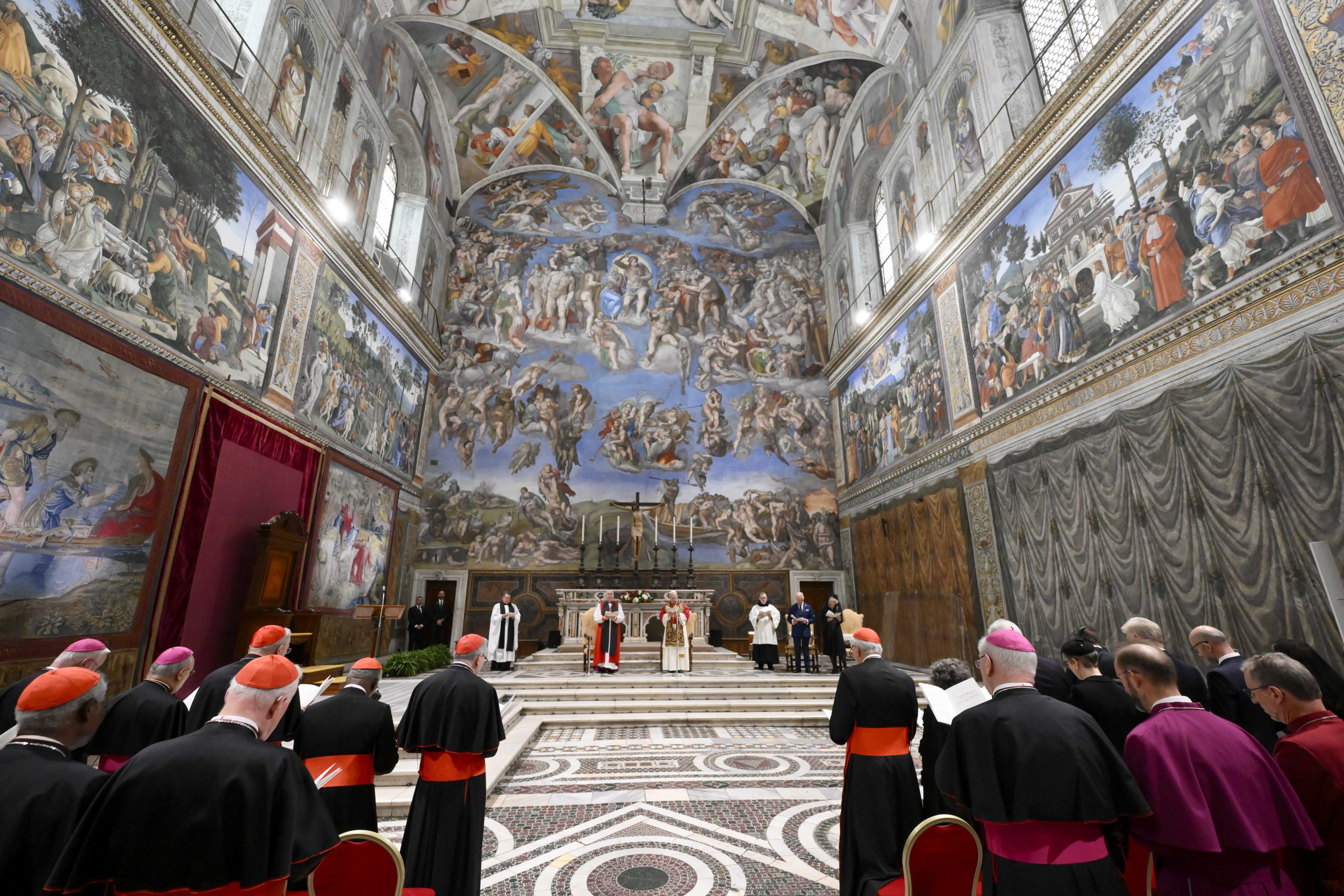
The Vatican and the United States Embassy to the Holy See have issued clarifications after Iranian media reports claimed Pope Leo XIV had personally granted a special honour to Iran’s ambassador to the Holy See The Vatican and the United States Embassy to the Holy See have both issued clarifications after Iranian media reports claimed that Pope Leo XIV had personally granted a special honour to Iran’s ambassador to the Holy See. Mohammad Hossein Mokhtari, the Iranian ambassador, was among 13 diplomats who received the Grand Cross of the Order of Pius IX during a ceremony held in the Vatican on May 12 for ambassadors who had completed at least two years of service accredited to the Holy See. Iranian state-linked outlets described the award as a significant gesture by the Pope towards Tehran, with some reports claiming the distinction recognised the ambassador’s efforts “to promote messages of peace, justice, and opposition to warmongering”. Iranian press suggested that “the award and the pope’s denunciation of the aggression are closely linked to the ongoing efforts of the Iranian embassy at the Vatican to promote messages of peace, justice, and opposition to warmongering”. The reports prompted criticism on social media and led to public clarification from both the Vatican and the American diplomatic mission to the Holy See. In a statement published online, the United States Embassy to the Holy See said: “Contrary to some reports, Pope Leo has not bestowed an exclusive special honour on the Iranian Ambassador to the Holy See. This decoration is given to all accredited ambassadors to the Holy See after 2+ years of service and has been standard practice for many years.” The Holy See press office confirmed the same account in comments to journalists, stating that the honour “is an award bestowed upon ambassadors after two years of service at the Holy See”. The Vatican added: “Yesterday, the Sostituto presented it to 13 ambassadors, including Iran’s ambassador.” The ceremony took place on the anniversary of Pope Leo XIV’s election and was presided over by Archbishop Paolo Rudelli, the substitute for general affairs of the Secretariat of State (Sostituto), who presented the insignia and official parchments to the diplomats. The certificates accompanying the awards were signed by Cardinal Pietro Parolin, the Vatican Secretary of State. The Order of Pius IX, also known as the Pian Order, is one of the principal papal orders of knighthood and is regularly conferred upon heads of state, royalty and ambassadors accredited to the Holy See. Although the Supreme Order of Christ and the Order of the Golden Spur formally rank above it, both honours have effectively fallen dormant. In practical diplomatic terms, the Order of Pius IX is regarded as the Holy See’s highest active distinction. The order was restored by Blessed Pius IX in 1847, though its origins date back to the 16th century under Pope Pius IV. Recent recipients have included King Charles III, who received the honour during his visit to the Vatican, as well as King Juan Carlos I of Spain, King Albert II of Belgium and King Carl XVI Gustaf of Sweden. Recipients of the Grand Cross wear a dark blue sash edged in red, together with a silver breast star bearing the insignia of the order. The original members of the order historically formed part of the papal lay court and accompanied the pope in ceremonial and official duties within the Apostolic Palace.
May 15, 2026
Argentina’s bishops warn middle class is turning to Church charities in economic crisis
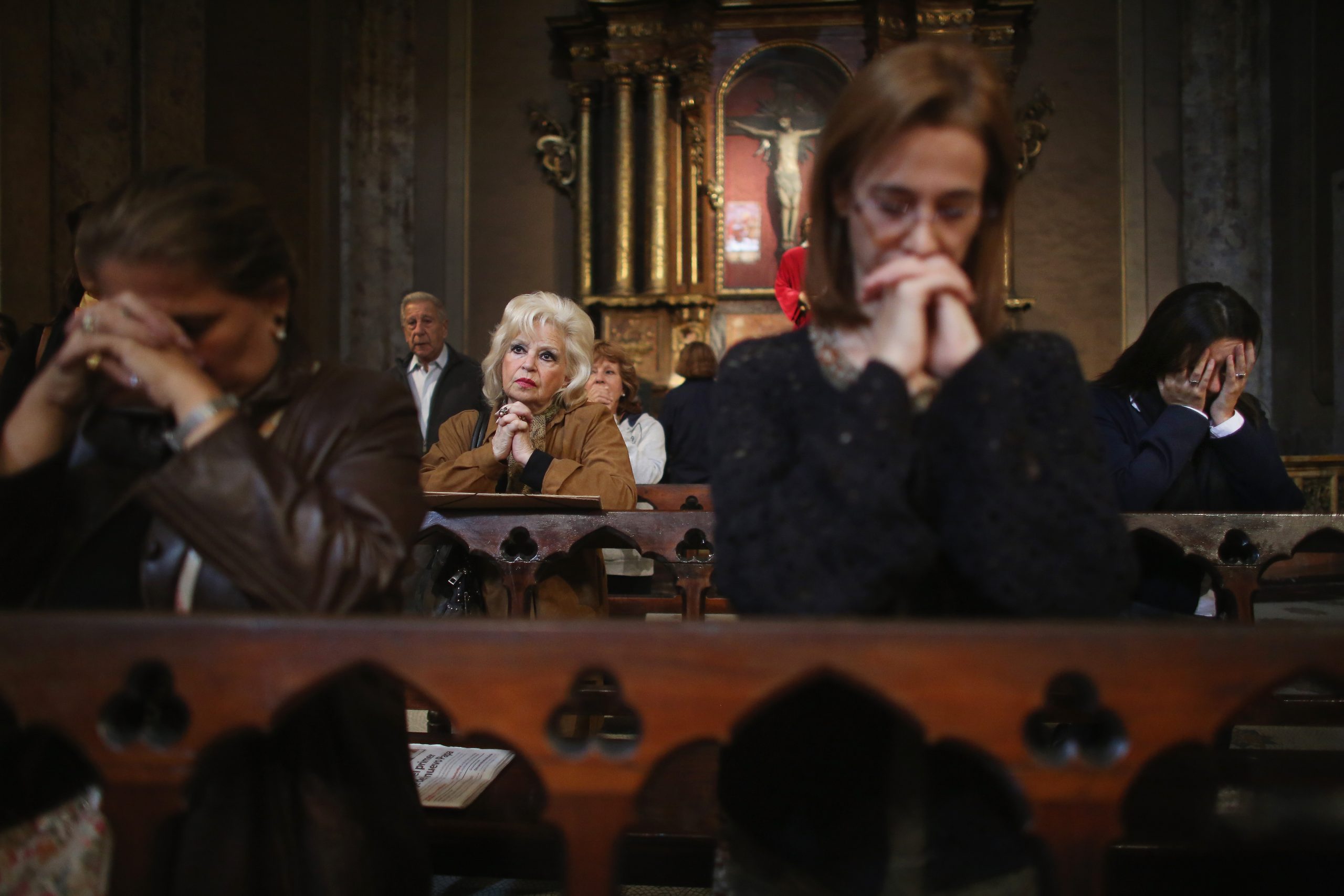
Argentina’s Catholic bishops have warned that worsening economic conditions are driving growing numbers of middle-class families to seek help from Church charities Argentina’s Catholic bishops have warned of a deepening social crisis as increasing numbers of middle-class families turn to Church charities for food and assistance amid worsening economic conditions. Archbishop Marcelo Daniel Colombo, president of the Argentine Episcopal Conference, said Church agencies were seeing a sharp rise in demand from people who, until recently, had not required support. “There are people from the lower middle class who are coming to ask for help from Caritas,” Archbishop Colombo told Futurock radio. “Many who are poor today were helping us at Caritas a few months or years ago. We are also very distressed by the increase in the number of middle and lower-class people coming to ask for help.” The archbishop also warned of rising homelessness across the country. “The number of people experiencing homelessness is very alarming,” he said. Argentina is currently in a period of economic instability, with inflation, unemployment and cuts to public spending putting growing pressure on households. Catholic charities and diocesan agencies have reported increased demand at parish soup kitchens and food distribution centres in recent months. Archbishop Colombo defended the principle of social justice and stressed the responsibility of the state to support the vulnerable. “Social justice is the dimension of support provided by the state to those who are vulnerable,” he said. “No one should be left out of social life when they lack the necessities to live.” The archbishop also rejected suggestions that the Church was acting as a political opposition to President Javier Milei’s government. “I think that sometimes some sectors of the leadership believe that the Church is a political opposition, and the truth is that we are not,” he said. “We try to offer our perspective where our poorest people are invisible.” The bishops’ conference has already intervened publicly over concerns surrounding funding for disability care. In April, the conference sent a letter to Argentina’s health minister, Mario Lugones, warning that Church-run institutions caring for disabled people were facing severe financial strain because of delayed and insufficient state payments. “Many of them are in an extremely serious economic crisis, due to the delay and insufficiency of state contributions, which has generated deficits that compromise essential aspects of care, such as food, medicines and the payment of salaries of those who dedicate their lives to the care of people with disabilities,” the bishops wrote. Concerns over deteriorating social conditions were echoed this week during a meeting between Church representatives and several Peronist mayors from Greater Buenos Aires. Among those attending were Jorge Ferraresi of Avellaneda, Mariel Fernández of Moreno, Andrés Watson of Florencio Varela, Ariel Sujarchuk of Escobar, Fernando Espinosa of La Matanza and Pablo Descalzo of Ituzaingó, alongside Gabriel Katopodis, infrastructure minister for the Province of Buenos Aires. Following the meeting, Ferraresi said participants had shared “the harsh assessment of the situation in our neighbourhoods and the need for all sectors to join forces to bring work and food to the homes of every Argentine family”. Archbishop Colombo later confirmed that the bishops were considering further dialogue initiatives in response to the crisis. Born in Buenos Aires in 1961, Archbishop Colombo studied canon law at the Pontifical University of St Thomas Aquinas after his ordination to the priesthood in 1988 for the Diocese of Quilmes. He later served as rector of the diocesan seminary and held several legal and pastoral roles before being appointed Bishop of Orán by Pope Benedict XVI in 2009. In 2013, Pope Francis transferred him to the Diocese of La Rioja before appointing him Archbishop of Mendoza in 2018. He became president of the Argentine bishops’ conference in November 2024 after previously serving as vice-president and second vice-president of the body. There is a historical precedent in Argentina for interventions from the Catholic hierarchy. When the country gained independence at the beginning of the 19th century, the Church was deeply embedded in the formation of the Argentine state. Juan Manuel de Rosas, the longtime governor of Buenos Aires who dominated Argentine politics between 1829 and 1852, enjoyed the support of the Church, with the exception of the Jesuit order, whom he expelled from the country. Many bishops also supported the rise of Juan Domingo Perón in the 1940s, though relations soured in the 1950s as Perón pursued anti-Catholic policies. The military dictatorship of the 1970s and 1980s was a particularly contentious time for the Church, with clerics at times unsure where to lend their support. This was perhaps most famously seen in the kidnapping of Jesuit priests Orlando Yorio and Franz Jalics, who, it has been claimed, were abducted after Jorge Bergoglio, later Pope Francis and then provincial superior of the Jesuits, withdrew protection from the priests. In the country’s more than 40 years of democracy, the Church has continued to make itself heard, opposing the secularisation introduced by President Raúl Alfonsín in the 1980s and leading the charge to defend the rights of the unborn during subsequent presidencies. Archbishop Colombo’s opposition therefore follows a well-trodden pattern, though it is noticeable that he is deliberately avoiding direct “political opposition” and instead focusing on the plight of the poor.
May 14, 2026
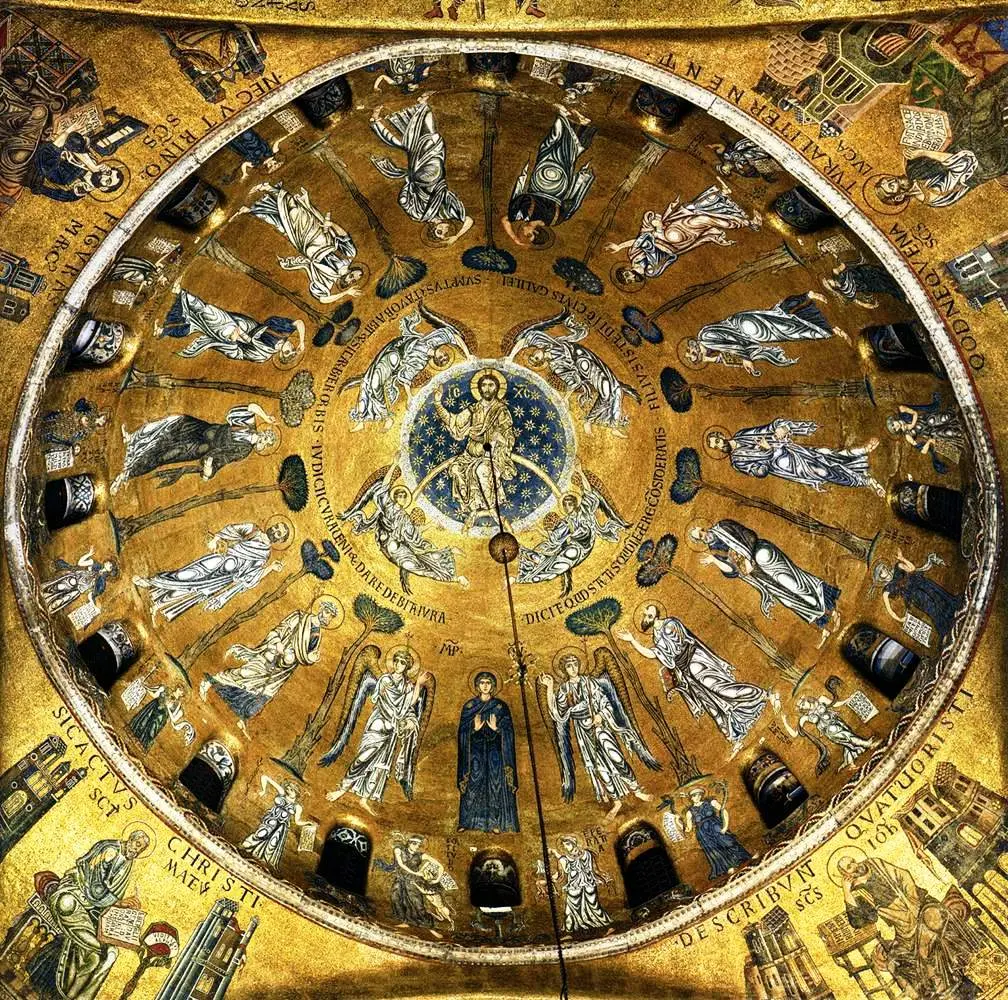
St Leo the Great on the Ascension and the triumph of faith
In this sermon for the Feast of the Ascension, St Leo the Great reflects on Christ’s triumph over death, the transformation of the Apostles after the Ascension, and the call for Christians to lift their hearts above earthly things and towards eternity The mystery of our salvation, dearly beloved, which the Creator of the universe valued at the price of His blood, has now been carried out under conditions of humiliation from the day of His bodily birth to the end of His Passion. And although even in the form of a slave many signs of Divinity have beamed out, yet the events of all that period served particularly to show the reality of His assumed Manhood. But after the Passion, when the chains of death were broken, which had exposed its own strength by attacking Him, Who was ignorant of sin, weakness was turned into power, mortality into eternity, contumely into glory, which the Lord Jesus Christ showed by many clear proofs in the sight of many, until He carried even into heaven the triumphant victory which He had won over the dead. As therefore at the Easter commemoration, the Lord’s Resurrection was the cause of our rejoicing, so the subject of our present gladness is His Ascension, as we commemorate and duly venerate that day on which the Nature of our humility in Christ was raised above all the host of heaven, over all the ranks of angels, beyond the height of all powers, to sit with God the Father. On which Providential order of events we are founded and built up, that God’s Grace might become more wondrous, when, notwithstanding the removal from men’s sight of what was rightly felt to command their awe, faith did not fail, hope did not waver, love did not grow cold. For it is the strength of great minds and the light of firmly faithful souls unhesitatingly to believe what is not seen with the bodily sight, and there to fix one’s affections whither you cannot direct your gaze. And whence should this Godliness spring up in our hearts, or how should a man be justified by faith, if our salvation rested on those things only which lie beneath our eyes? Hence our Lord said to him who seemed to doubt Christ’s Resurrection until he had tested by sight and touch the traces of His Passion in His very Flesh: “Because you have seen Me, you have believed: blessed are they who have not seen and yet have believed” (John 20:29). In order, therefore, dearly beloved, that we may be capable of this blessedness, when all things were fulfilled which concerned the Gospel preaching and the mysteries of the New Testament, our Lord Jesus Christ, on the fortieth day after the Resurrection in the presence of the disciples, was raised into heaven, and terminated His presence with us in the body, to abide on the Father’s right hand until the times Divinely foreordained for multiplying the sons of the Church are accomplished, and He comes to judge the living and the dead in the same flesh in which He ascended. And so that which till then was visible of our Redeemer was changed into a sacramental presence, and that faith might be more excellent and stronger, sight gave way to doctrine, the authority of which was to be accepted by believing hearts enlightened with rays from above. This Faith, increased by the Lord’s Ascension and established by the gift of the Holy Ghost, was not terrified by bonds, imprisonments, banishments, hunger, fire, attacks by wild beasts, or refined torments of cruel persecutors. For this Faith throughout the world not only men, but even women, not only beardless boys, but even tender maids, fought to the shedding of their blood. This Faith cast out spirits, drove off sicknesses, and raised the dead; and through it the blessed Apostles themselves also, who after being confirmed by so many miracles and instructed by so many discourses, had yet been panic-stricken by the horrors of the Lord’s Passion and had not accepted the truth of His Resurrection without hesitation, made such progress after the Lord’s Ascension that everything which had previously filled them with fear was turned into joy. For they had lifted the whole contemplation of their mind to the Godhead of Him that sat at the Father’s right hand, and were no longer hindered by the barrier of corporeal sight from directing their mind’s gaze to That Which had never quitted the Father’s side in descending to earth, and had not forsaken the disciples in ascending to heaven. The Son of Man and Son of God, therefore, dearly beloved, then attained a more excellent and holier fame, when He betook Himself back to the glory of the Father’s Majesty, and in an ineffable manner began to be nearer to the Father in respect of His Godhead, after having become farther away in respect of His manhood. A better instructed faith then began to draw closer to a conception of the Son’s equality with the Father without the necessity of handling the corporeal substance in Christ, whereby He is less than the Father, since, while the Nature of the glorified Body still remained, the faith of believers was called upon to touch not with the hand of flesh, but with the spiritual understanding the Only-begotten, Who was equal with the Father. Hence comes that which the Lord said after His Resurrection, when Mary Magdalene, representing the Church, hastened to approach and touch Him: “Touch Me not, for I have not yet ascended to My Father” (John 20:17): that is, I would not have you come to Me as to a human body, nor yet recognise Me by fleshly perceptions: I put you off for higher things, I prepare greater things for you. When I have ascended to My Father, then you shall handle Me more perfectly and truly, for you shall grasp what you cannot touch and believe what you cannot see. But when the disciples’ eyes followed the ascending Lord to heaven with upward gaze of earnest wonder, two angels stood by them in raiment shining with wondrous brightness, who also said: “You men of Galilee, why do you stand gazing into heaven? This Jesus Who was taken up from you into heaven shall so come as you saw Him going into heaven” (Acts 1:11). By which words all the sons of the Church were taught to believe that Jesus Christ will come visibly in the same Flesh wherewith He ascended, and not to doubt that all things are subjected to Him on Whom the ministry of angels had waited from the first beginning of His Birth. For, as an angel announced to the blessed Virgin that Christ should be conceived by the Holy Ghost, so the voice of heavenly beings sang of His being born of the Virgin also to the shepherds. As messengers from above were the first to attest His having risen from the dead, so the service of angels was employed to foretell His coming in very Flesh to judge the world, that we might understand what great powers will come with Him as Judge, when such great ones ministered to Him even in being judged. And so, dearly beloved, let us rejoice with spiritual joy, and let us with gladness pay God worthy thanks and raise our hearts’ eyes unimpeded to those heights where Christ is. Minds that have heard the call to be uplifted must not be pressed down by earthly affections; they that are foreordained to things eternal must not be taken up with the things that perish; they that have entered on the way of Truth must not be entangled in treacherous snares, and the faithful must so take their course through these temporal things as to remember that they are sojourning in the vale of this world, in which, even though they meet with some attractions, they must not sinfully embrace them, but bravely pass through them. For to this devotion the blessed Apostle Peter arouses us, and entreating us with that loving eagerness which he conceived for feeding Christ’s sheep by the threefold profession of love for the Lord, says: “Dearly beloved, I beseech you, as strangers and pilgrims, abstain from fleshly lusts which war against the soul” (1 Peter 2:11). But for whom do fleshly pleasures wage war, if not for the devil, whose delight it is to fetter souls that strive after things above with the enticements of corruptible good things, and to draw them away from those abodes from which he himself has been banished? Against his plots every believer must keep careful watch that he may crush his foe on the side whence the attack is made. And there is no more powerful weapon, dearly beloved, against the devil’s wiles than kindly mercy and bounteous charity, by which every sin is either escaped or vanquished. But this lofty power is not attained until that which is opposed to it be overthrown. And what so hostile to mercy and works of charity as avarice, from the root of which spring all evils? And unless it be destroyed by lack of nourishment, there must needs grow in the ground of that heart in which this evil weed has taken root the thorns and briars of vices rather than any seed of true goodness. Let us then, dearly beloved, resist this pestilential evil and follow after charity, without which no virtue can flourish, that by this path of love whereby Christ came down to us, we too may mount up to Him, to Whom with God the Father and the Holy Spirit is honour and glory for ever and ever. Amen.
May 14, 2026
Phoenix auxiliary bishop attacks anti-synodality book backed by Cardinal Müller
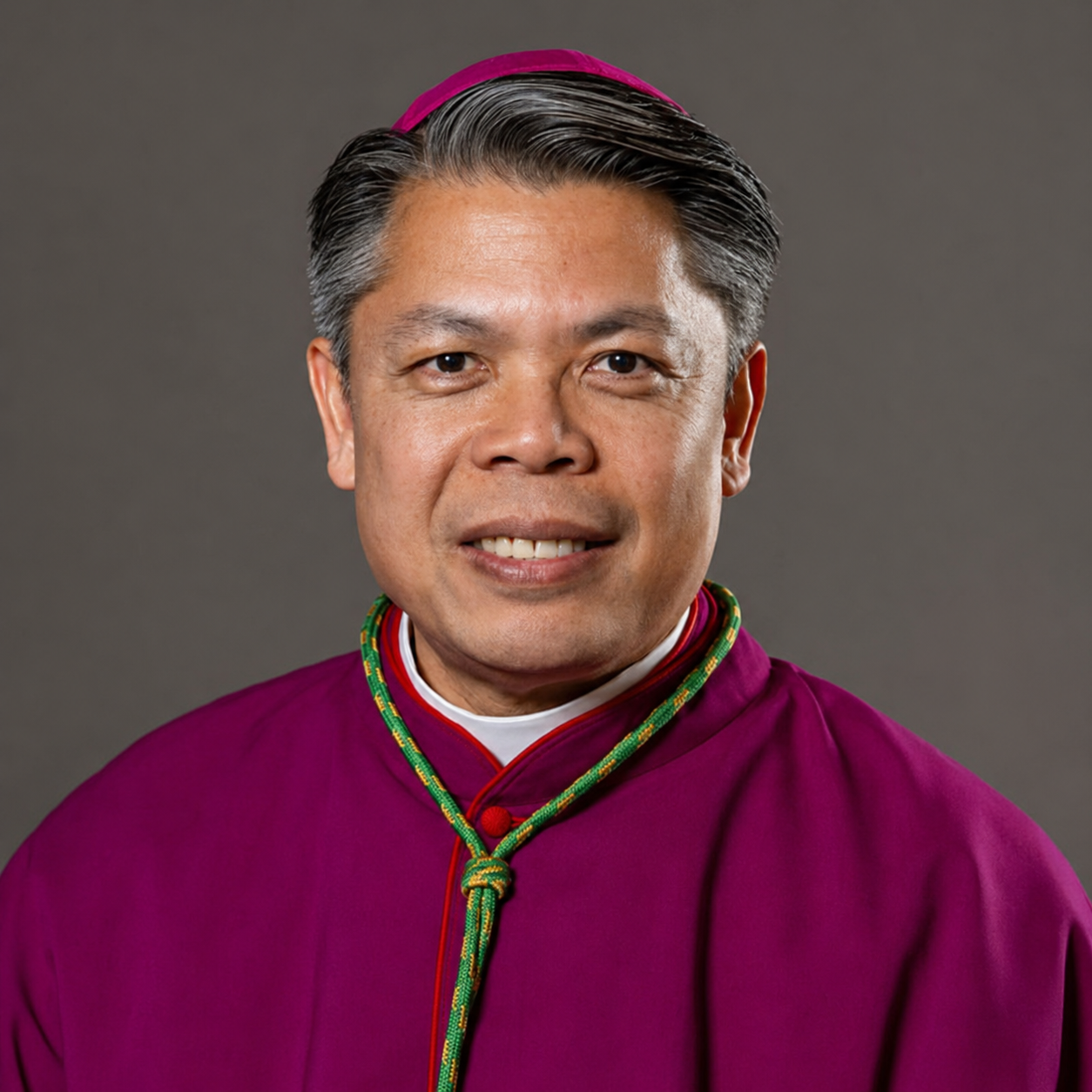
Bishop Peter Dai Bui of Phoenix has sharply criticised The Trojan Horse in the Catholic Church, a book backed by Cardinal Gerhard Müller which argues that the Synod on Synodality seeks to undermine the Church’s hierarchical structure Bishop Peter Dai Bui, auxiliary bishop of the Diocese of Phoenix, has written a scathing criticism of the book The Trojan Horse in the Catholic Church , published by the lay group Catholics for Catholics (CforC). The Trojan Horse in the Catholic Church is written under the pseudonym “Father Enoch” by a priest-author, with Cardinal Gerhard Müller writing the foreword. The book, written in the form of a two-part essay entitled “Replacing the Hierarchical Structure of the Church” and “Overturning the Moral Order”, seeks to explain how the Synod on Synodality is intended to undermine the governing hierarchy of the Church. In the book, Fr Enoch writes that “the first goal of the Synod is to invert the hierarchical structure of the Church as instituted by her Founder and our Saviour, Jesus Christ” because it “undercuts the authority or sacred power with which He endowed the Apostles and their successors in office, the bishops: to teach, to govern, and to sanctify”. Fr Enoch argues that this attempt to overturn the hierarchy of the Church found its roots in the pontificate of Pope Francis. He writes that during the Francis era it appeared that “nothing had changed in the Vatican”, while in fact “a quiet revolution had been taking place”. Fr Enoch argues that this revolution originated in the 2014 Synod on the Family and the subsequent 2016 Apostolic Exhortation Amoris Laetitia , reaching a crescendo in the 2023 Synod on Synodality. Fr Enoch takes issue with the term “synodality”, quoting Cardinal Burke saying that it has “no history in the doctrine of the Church and for which there is no reasonable definition”. He also argues that “the hierarchical structure of the early Church [was] deeply embedded already in the early second century”, making its removal contrary to Christianity. The second part of the book focuses on the “homosexual agenda”, particularly Amoris Laetitia , Fiducia Supplicans and various actions taken by the German Synodal Way. The essay is a damning assessment of the pontificate of Pope Francis, portraying much of it as a “push for the homosexualist agenda”. In his response, Bishop Peter Dai Bui argues that synodality is “as old as Emmaus, as old as the Council of Jerusalem, where the apostles and the whole community gathered to discern together and wrote”. He specifically uses the example of Emmaus as an illustration of synodality, where the two disciples were “trying to make sense of a catastrophe they could not yet name”. Bishop Dai Bui defends synodality as not being a challenge to the deposit of faith, which “cannot be subject to revision by any synod, any council, or any pope”, but rather as the Church asking itself how to “walk with human beings whose lives are complicated, wounded and often far from the fullness of what the Church proclaims?” On Catholics for Catholics specifically, the article claims that it is “not a theological institute and it holds no magisterial standing”. It also argues that Cardinal Müller’s reflections are “contested by others who were present in the same room”. Responding to the criticism, Catholics for Catholics pointed to what it described as the contradiction of a bishop criticising the opinions of a lay group while defending synodality as an exercise in listening to the laity. John Yep, president of Catholics for Catholics, stated: “Why is the bishop reprimanding us as lay Catholics trying to defend the Faith?” He also pointed out that while Catholics for Catholics is not a theological institute, “the former head of the Doctrine of the Faith, Cardinal Gerhard Müller, as well as its very accomplished author, would most definitely qualify as theologians who carry weight.” Referencing the bishop’s use of the story of Emmaus, Yep commented: “If Jesus Christ would have received that ‘Synod Report’ [the final report of Study Group 9, which addressed homosexual behaviour] on the road to Emmaus, he would have said the same thing – or worse – than what he told the two disciples when they erred in their understanding. ‘O Stulti!’, Christ said, which literally means ‘O stupid or foolish ones.’ I wonder if Christ would say the same thing today to any bishop promoting this new ‘synodal Church.’” Catholics for Catholics, with the assistance of its supporters, has been able to send a copy of The Trojan Horse in the Catholic Church to every bishop in the United States and to more than a quarter of the country’s priestly population. Yep argued that Bishop Bui’s attempt to discredit the book had resulted in greater support, adding: “For that, we are grateful.” Bishop Peter Dai Bui was appointed auxiliary bishop of Phoenix by Pope Leo XIV in December 2025 and received episcopal consecration the following February. A native of Vietnam, his family fled the country after the war and arrived in the United States when he was a child. He was ordained a priest in 2003 and was initially a member of the Legionaries of Christ. He later left the congregation and was incardinated into the Diocese of Phoenix in 2009.
May 14, 2026