Germany’s planned Synodal Conference is unlikely to meet for the first time this November as originally scheduled, after continued Vatican scrutiny delayed approval of the body’s statutes.
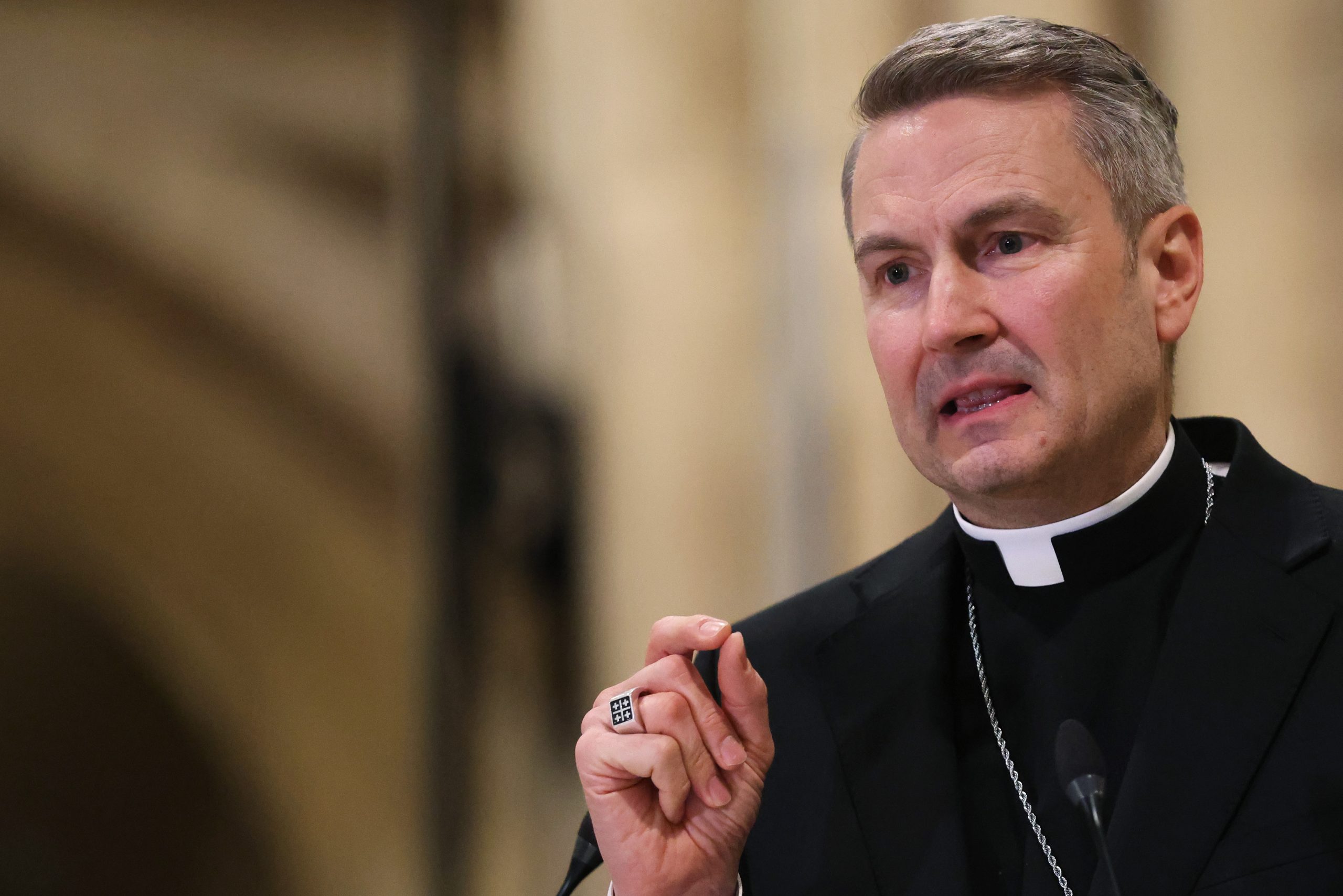
Bishop Heiner Wilmer, president of the German Bishops’ Conference, said during the Katholikentag in Würzburg that he no longer expected the inaugural gathering in Stuttgart to proceed on November 6 and 7 because discussions in Rome were still ongoing.
“I personally do not expect that we will meet as early as November,” Bishop Wilmer told the broadcaster Phoenix, citing the continuing movement of the proposal “from one discussion to the next”.
The Synodal Conference is intended to become a permanent national structure bringing together bishops and lay representatives to deliberate on matters affecting the Church in Germany. The proposal emerged from the Synodal Path, the reform process launched in 2019 following Germany’s abuse crisis.
The Vatican has spent months examining the statutes governing the planned body, particularly the issue of joint decision-making between bishops and lay delegates. Rome repeatedly warned during the Synodal Path that no national structure could be established which diminished the authority of diocesan bishops or placed itself above the bishops’ conference.
The statutes nevertheless state that the Synodal Conference would deliberate and adopt decisions on “important questions of ecclesial life of supra-diocesan significance”.
Despite the delay, Bishop Wilmer insisted he remained confident that the project would eventually move forward, although he acknowledged that “some patience” would be needed while Vatican dicasteries continued their review.
The postponement marks another setback for the Synodal Path, which debated proposals including blessings for same-sex couples, changes to Church teaching on sexuality, a greater role for lay governance and the possibility of women’s ordination.
Although Vatican officials repeatedly criticised aspects of the process under Pope Francis, the Holy See never formally demanded that it be abandoned. Pope Leo XIV has likewise not intervened publicly against the project since his election.
Bishop Wilmer’s remarks echoed those made earlier this year by Bishop Georg Bätzing of Limburg, his predecessor as president of the German Bishops’ Conference, who acknowledged that the Synodal Conference would not proceed without Roman approval.
At the beginning of the year, Bishop Bätzing said it would be “a provocation” to move ahead without the consent of the Holy See.
The proposed body has continued to face criticism from canon lawyers and several German bishops who argue that it risks creating a parallel structure of authority within the Church.
Cardinal Rainer Maria Woelki of Cologne, Bishop Stefan Oster of Passau and Bishop Rudolf Voderholzer of Regensburg all withdrew from the Synodal Path following repeated Vatican interventions. The former Bishop of Eichstätt, Gregor Maria Hanke, also distanced himself from the initiative.
The Synodal Committee preparing the future conference subsequently ceased operating directly under the German Bishops’ Conference and instead continued under the sponsorship of an association established by the remaining dioceses.
Bishop Oster said in March that he would act “with the universal Church” and was waiting to see how the Vatican responded to the latest proposals.
The bishop also noted that German representatives had attempted to reassure Roman officials that the conference would not possess authority over bishops in the strict canonical sense, particularly regarding the distinction between passing resolutions and making binding decisions.
“I am waiting with some interest to see how Rome reacts,” the bishop added. “But fundamentally, my position is: if we do it in agreement with the universal Church, then I will participate.”
The Bishop of Passau also acknowledged attempts by German representatives to reassure Vatican officials over the wording of the statutes. “The German side tried to make it clear in talks with the Vatican that ‘making resolutions’ is something different from ‘deciding’,” he said.
The first meeting of the Synodal Conference had originally been scheduled for Stuttgart this November, with a second assembly planned for Würzburg in April 2027.
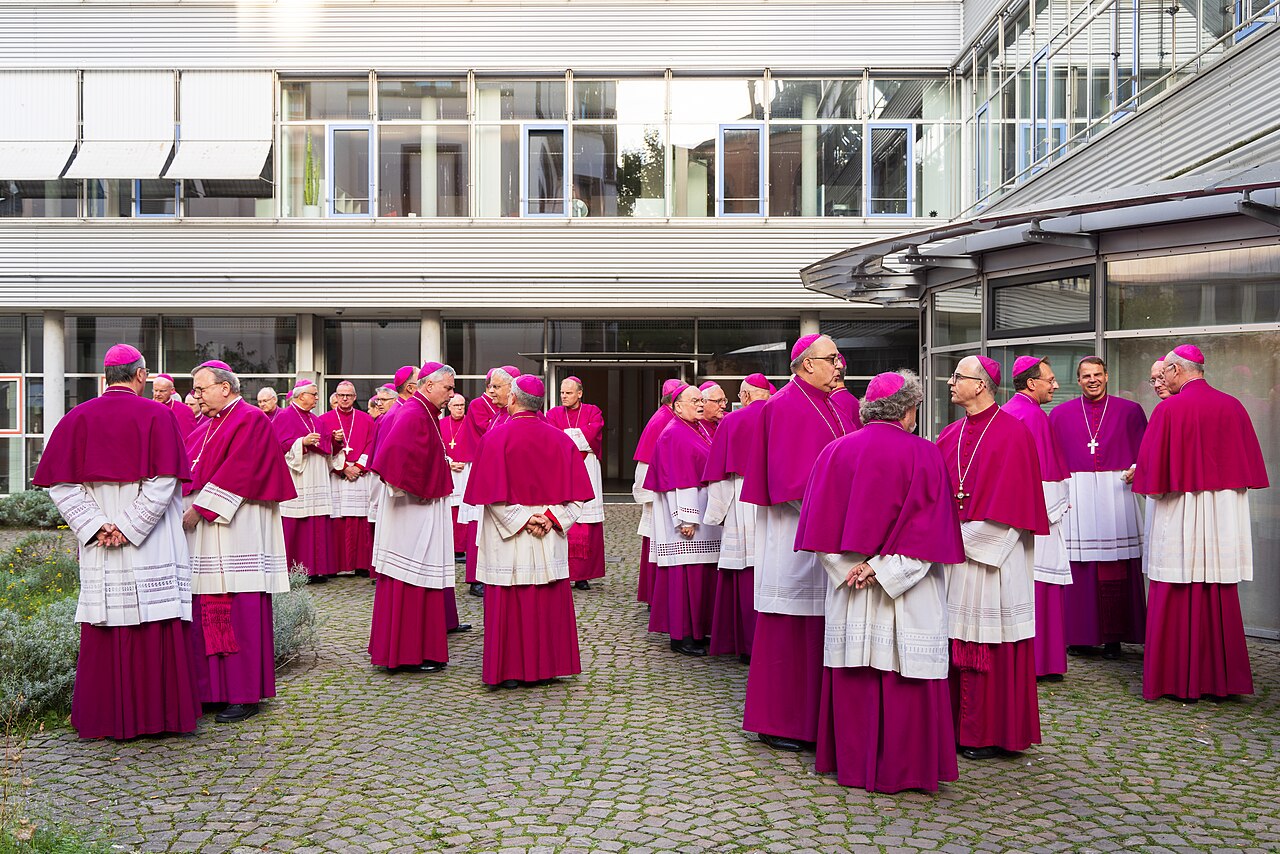
Photo credit: By Martin Kraft – Own work, CC BY-SA 4.0, https://commons.wikimedia.org/w/index.php?curid=138224261