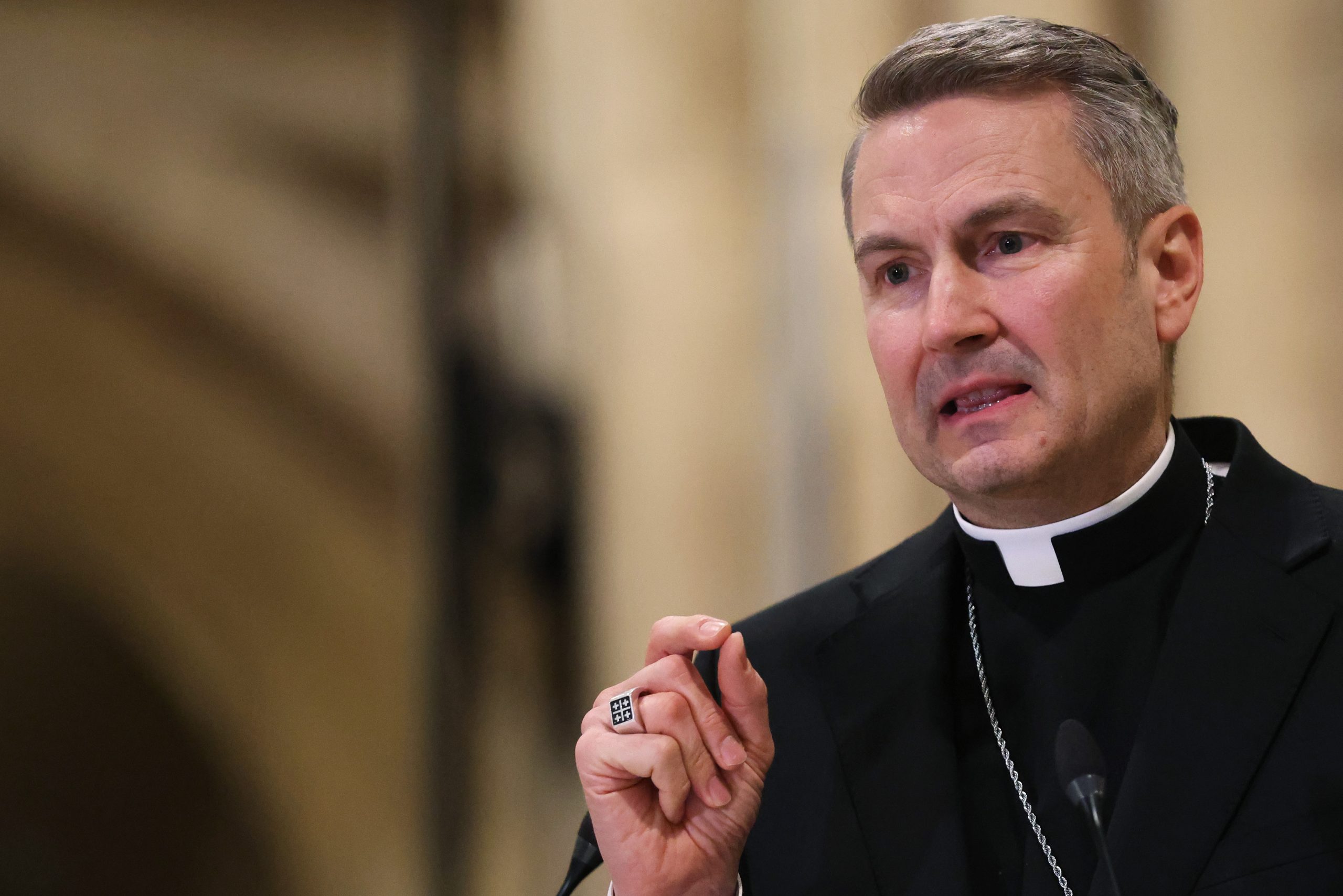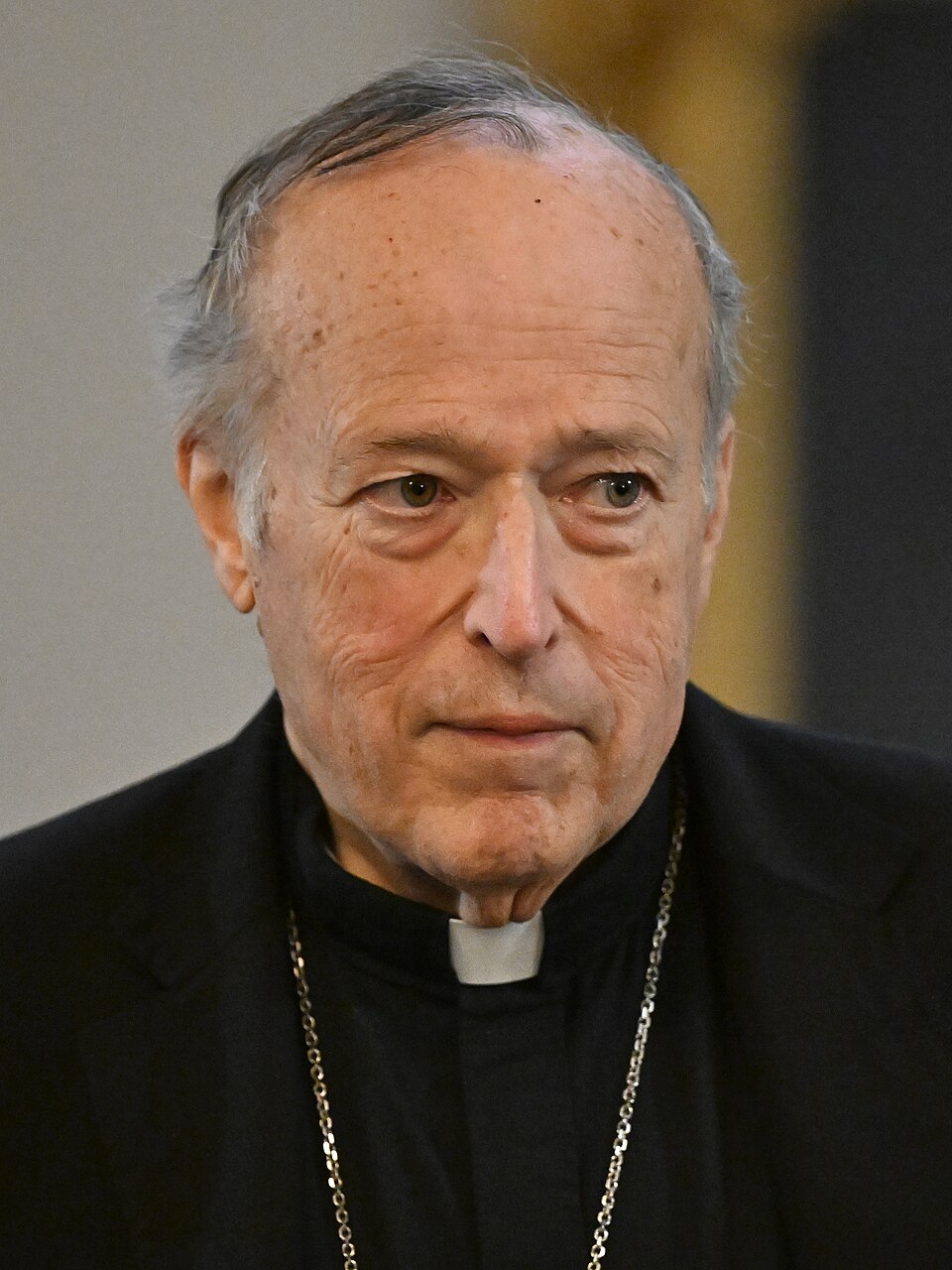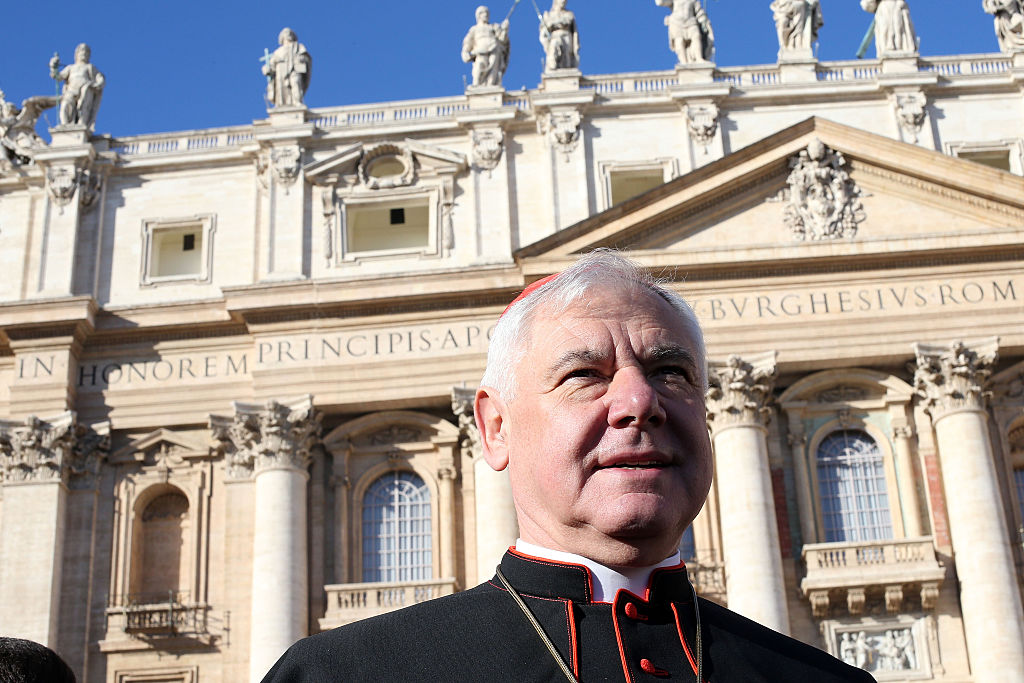
Cardinal Gerhard Ludwig Müller has rejected claims that the Vatican’s financial situation influenced the election of Pope Leo XIV.
The German cardinal made his remarks in Rome during the presentation of the new book Papi, Dollari e Guerre by the renowned Italian Vaticanista Massimo Franco, which examines the historical relationship between the United States and the Holy See. Speaking at the event, Cardinal Müller addressed speculation that concerns over Vatican finances may have played a decisive role in the election of the first American pope.
“Although Cardinal Reinhard Marx dedicated a full day to discussing the Holy See’s finances in the pre-conclave, this did not influence the final decision,” Cardinal Müller said. His Eminence added that the choice of a pope “is based on different criteria.”
The intervention comes one year after the conclave that elected Pope Leo XIV, a historic event given the longstanding assumption that a pontiff from the United States was unlikely. Cardinal Marx, who has been closely associated with Vatican economic reform and oversight, reportedly led a full day of discussions on financial issues during the general congregations preceding the conclave. These meetings, which take place before the formal voting begins, allow cardinals to exchange views on the challenges facing the Church.
Despite the prominence of those discussions, Cardinal Müller insisted that they did not shape the final outcome. His remarks appeared to counter interpretations that the election reflected a strategic response to financial pressures or a desire to strengthen ties with American Catholic institutions.
Franco’s book, presented at the same event, sets out the historical context of relations between the Vatican and the United States, including financial links that have developed over more than a century. According to the publisher’s summary, the work traces the role of American Catholic influence from the early twentieth century to the present day, using archival material and previously unpublished testimonies.
The book refers to financial contributions from American benefactors during the pontificates of Pius XI and Pius XII, as well as support provided during and after the Second World War. It also examines the role of institutions such as the Papal Foundation, established during the pontificate of John Paul II, and the continuing presence of major Catholic organisations in the United States.
The summary further notes that the most recent conclave marked “the end of Eurocentrism in an impoverished and divided Vatican”, while suggesting that the election of Pope Leo XIV should be understood within a broader historical and geopolitical framework. It also points to the significance of the Pontifical North American College in Rome, where it is claimed discussions among American cardinals took place prior to the conclave.
Among those present at the book presentation were several figures from ecclesiastical, political and journalistic circles, including Archbishop Antonio Mennini and the former Italian prime minister Romano Prodi.
Massimo Franco, the author, is a political journalist and commentator for Corriere della Sera. He has previously written on Italian and Vatican politics and has contributed to a range of international publications. His latest work continues that focus, examining the intersection of religion, diplomacy and finance.