

The National Assembly
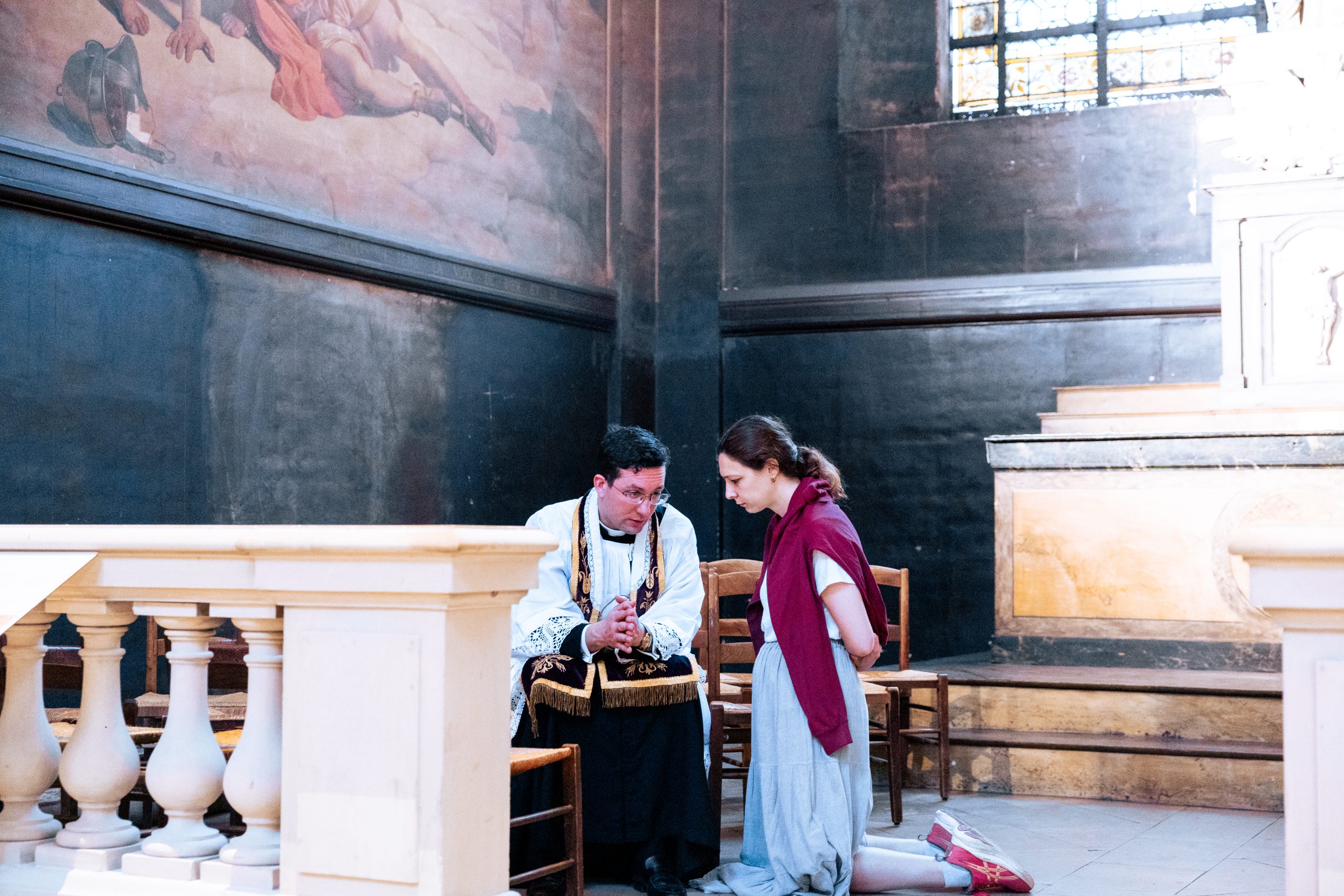
France drops plan to force priests to break seal of confession
France’s parliament has abandoned plans that would have required Catholic priests to report information heard in confession. The controversial proposal was removed from a child protection bill after opposition from bishops and concerns over religious freedom France’s parliament has abandoned controversial plans that would have forced Catholic priests to reveal information heard in the confessional. The National Assembly unanimously adopted the legislation on 1 June following weeks of debate over proposals to strengthen safeguarding measures in schools and extracurricular activities in the wake of the Bétharram abuse scandal. The affair, centred on the Notre-Dame de Bétharram school in south-west France, led to hundreds of allegations of physical, sexual and psychological abuse and intensified demands for stronger protections for children. While the bill ultimately passed with cross-party support, lawmakers removed a provision that had provoked strong opposition from the Catholic Church and concerns among legal experts over religious freedom. The original text would have required ministers of religion to report abuse against minors even when the information was obtained during sacramental confession. It stated that ministers of religion were subject to reporting obligations for information acquired “in the exercise of their ministry” and that no appeal to the seal of confession could exempt them from that duty. The French bishops mounted a public campaign against the proposal before it reached the Assembly chamber, warning that it threatened fundamental liberties protected by French law. In a statement issued ahead of the debate, the Conference of Bishops of France said it shared the determination of public authorities to combat violence against children but expressed “great concern” about elements of the legislation. The bishops said the text called into question “several fundamental freedoms”, including “freedom of conscience, professional secrecy, freedom of education or freedom of religion”. Bishop Jean-Marc Eychenne of Grenoble emerged as one of the leading critics of the measure. “The secrecy of confession is not a privilege for priests, but a right for the faithful,” the bishop said. After intense parliamentary discussions, deputies withdrew the clause before the final vote, allowing the wider legislation to proceed without the measure targeting the seal of confession. Lawmakers also removed a separate proposal that would have tightened state oversight of private schools operating under contract with the government, including many Catholic institutions. The outcome was welcomed by Church leaders, who stressed that their opposition was directed at the confessional provision rather than efforts to improve safeguarding. Bishop Matthieu Rougé of Nanterre said he was “very happy” that parliament had focused on what he described as the “real objectives” of protecting minors and combating violence in educational settings. Referring to the confession controversy, he suggested the issue had entered the debate in a “somewhat parasitic” way. The dispute nevertheless reopened a long-running argument in France over the relationship between Church teaching and state authority. Under Catholic canon law, the seal of confession is absolute. Canon 983 states that “the sacramental seal is inviolable”, and any priest who directly violates it incurs automatic excommunication. The Church teaches that a confessor can never reveal what has been disclosed during the sacrament, regardless of the circumstances. The principle has been formally protected since the Fourth Lateran Council in 1215 and has survived centuries of political upheaval, including the French Revolution and later anti-clerical campaigns that sought to remove the influence of the Church. Photo credit: Notre-Dame de Chrétienté
Jun. 3, 2026