

Rome
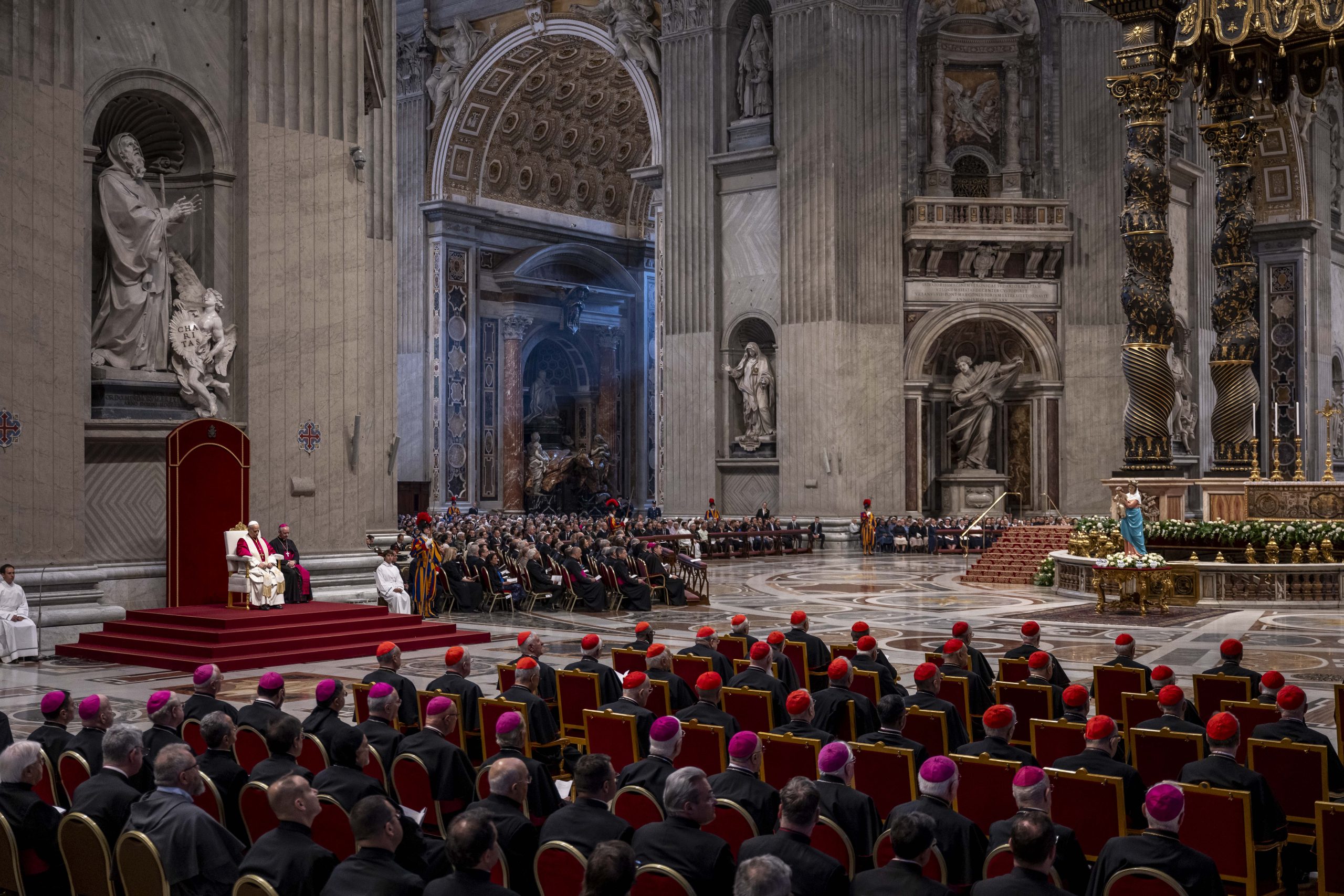
Vatican confirms global synodal assemblies ahead of Rome gathering in 2028
The Vatican has confirmed that dioceses across the world will spend the next two years preparing for a major “Ecclesial Assembly” in Rome in 2028 as part of the next phase of the Synod on Synodality The Vatican has unveiled a detailed timetable for the next phase of the Synod on Synodality, confirming that dioceses across the world will spend the next two years preparing for a major ecclesial assembly in Rome in October 2028. Entitled Towards the Assemblies 2027-2028 , the text presents the next stage of synodality. The process will culminate in what the Vatican is calling an “Ecclesial Assembly”, distinct from a Synod of Bishops but intended to gather representatives from across the global Church for a final act of discernment in Rome. The document, published on May 20 by the General Secretariat of the Synod, sets out the “stages, criteria, and tools for preparation” that will guide local Churches through what Rome describes as the “implementation phase” of the synodal process launched by Pope Francis in 2021. Under the plan, dioceses, bishops’ conferences and continental episcopal bodies will each hold assemblies between 2027 and 2028 aimed at assessing how the Synod’s final document is being put into practice. The Vatican said the process would culminate in an Ecclesial Assembly in Rome “together with the Holy Father”. The text divides the process into four stages titled “Recollecting”, “Interpreting”, “Orienting” and “Celebrating”. The first phase, scheduled for the first half of 2027, will involve diocesan and eparchial assemblies intended to evaluate the reception of the Synod’s final document at local level. Bishops will oversee the preparation of narrative reports describing “what concrete form of a missionary synodal Church and what new paths of synodality are emerging” within their communities. Dioceses will also prepare letters addressed to other Churches highlighting what the Vatican described as “the principal fruits that have emerged in the process of implementing the synod”. National and regional bishops’ conferences will then gather during the second half of 2027 to prepare theological-pastoral reports before continental assemblies take place during the opening months of 2028. Those continental meetings will produce “perspective reports” that will contribute to the drafting of the instrumentum laboris , or working document, for the Rome assembly. The final stage will take place in October 2028 at the Vatican. Although officials have repeatedly insisted the gathering will not constitute another Synod of Bishops, the new document states that the assembly’s conclusions will be “offered to the Holy Father as the fruit of the process of discernment”. The text places strong emphasis on papal oversight throughout the process, concluding that the entire journey will take place “under the guidance of the Holy Father”. The publication provides the clearest indication yet that Pope Leo XIV intends to continue the synodal project initiated by his predecessor. Since his election, the Pope has repeatedly referred to synodality as a defining characteristic of ecclesial life, describing it as “a style of cooperation” and an exercise in listening. The Vatican stressed that the implementation phase was not intended to reopen the consultation process that began in 2021, but rather to assess what has already been achieved since the Synod’s conclusion. “It is not a matter of repeating the Synod consultation, nor of adding further tasks to the ordinary life of communities,” the document states, “but rather of rereading what has already been experienced, recognizing its fruits and difficulties.” Cardinal Mario Grech, Secretary General of the Synod, said the assemblies were intended to be “a profound ecclesial and spiritual experience of discernment”. “What we are proposing to the local Churches is not an additional task, but rather a time of shared discernment and thanksgiving, in which to reread together what the Spirit is causing to grow in the Church and to recognize the steps we are called to take,” His Eminence said. The document also calls for broad participation within the assemblies themselves. It says organisers should ensure “balance between men and women and among different generations”, while also involving priests, deacons, Religious, members of ecclesial movements and “persons living in situations of fragility or marginality”. It adds that “particular care should be devoted to the involvement of parish priests”. Representatives of other Christian communities and religions may also take part “where appropriate”. Responsibility for organising the assemblies will rest with diocesan bishops at local level, presidents of bishops’ conferences nationally, and the heads of continental ecclesial bodies at regional level. The Vatican further encouraged organisers to continue using “conversation in the Spirit”, the discussion method strongly promoted during the Synod assemblies in Rome in 2023 and 2024. The implementation phase formally began after the late Pope Francis approved the Synod’s final document last year and handed it directly to the Church without issuing a separate post-synodal apostolic exhortation. Before his death, Francis repeatedly described synodality as irreversible and insisted the process marked a new way of governing and listening within the Church. Materials produced during each stage will be submitted to the Synod Secretariat according to a fixed timetable. Diocesan reports must be completed by June 30, 2027, bishops’ conference reports by December 31, 2027, and continental reports by April 30, 2028 ahead of the final assembly in Rome.
May 21, 2026