

President Trump
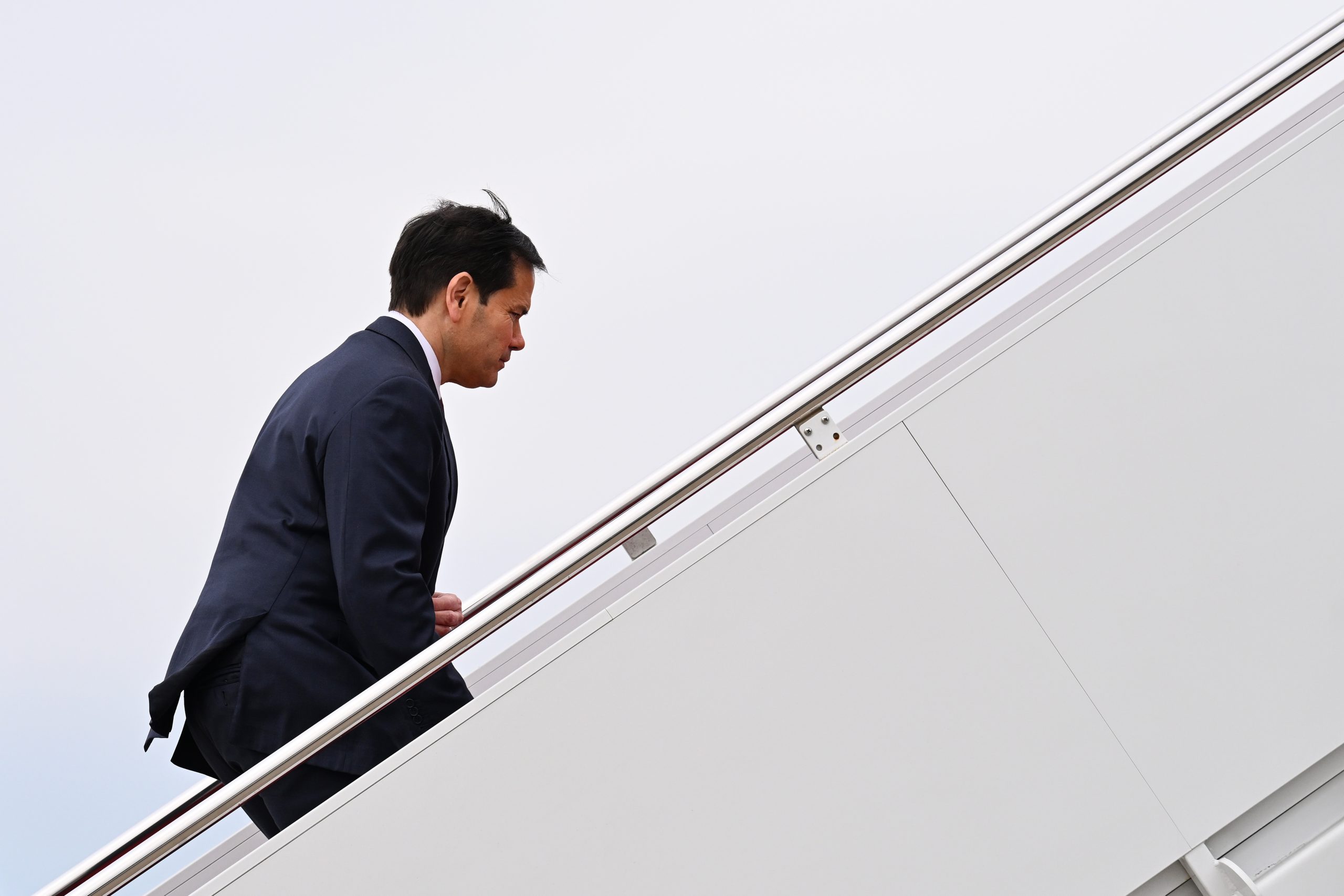
Rubio in Rome after month of tension between Washington and Vatican
US Secretary of State Marco Rubio met Pope Leo XIV and senior Vatican officials on Thursday after weeks of tensions between Washington and the Holy See. The Vatican said the talks were “cordial” and focused on conflicts, humanitarian crises and peace efforts US Secretary of State Marco Rubio met Pope Leo XIV at the Vatican on Thursday amid growing tensions between Washington and the Holy See. Secretary Rubio was received by the Pope in the Apostolic Palace during a visit to Rome that also included meetings with Cardinal Pietro Parolin and Archbishop Paul Richard Gallagher. A statement issued afterwards by the Holy See Press Office said the talks had been “cordial” and that both sides had reaffirmed their “shared commitment to fostering sound bilateral relations between the Holy See and the United States of America”. The Vatican said views had been exchanged “regarding situations on the regional and international levels, with particular attention given to countries experiencing war, political tensions and difficult humanitarian situations, as well as the need to work tirelessly for peace”. Holy See officials later indicated that discussions included conflicts and instability affecting parts of the Middle East and Africa, with particular reference to Lebanon and Iran. The situation in Cuba was also raised during the meetings. Ahead of the visit, Cardinal Parolin, the Vatican Secretary of State, had signalled that difficult issues would be discussed openly during Mr Rubio’s time in the Vatican. Speaking to journalists on May 6, the Cardinal Secretary of State said: “We will listen to him, the initiative came from them. We will speak about everything that has happened in these days. We could not fail to touch on these topics.” He said the discussions would concern “international politics and above all conflicts”, including Latin America and “probably also the question of Cuba … all those that are the most pressing issues”. Cardinal Parolin also stressed the importance of maintaining dialogue with Washington despite recent disagreements between senior figures in the United States and the Holy See. “One cannot do without the United States,” His Eminence said. “Despite some difficulties occurring, they certainly remain an interlocutor for the Holy See. Also because they have a role in almost all the situations we are experiencing today.” The cardinal was also asked about criticism directed at Pope Leo XIV by allies of President Trump in recent weeks following papal comments on international diplomacy and war. “To attack him in this way or to reproach what he does seems a bit strange to me,” Cardinal Parolin said, before adding: “The Pope does what he must do: the Pope is the Pope.” Asked whether he relied more upon Mr Rubio or President Trump, the cardinal replied: “Me? I do not rely on anyone. I rely only on Our Lord Jesus Christ.” The Vatican Secretary of State also reiterated the Holy See’s longstanding position on diplomacy and nuclear disarmament, saying the Church continued to favour the resolution of conflicts “through negotiation … of good will, sincere, so that all parties can express their point of view and find points of convergence”. He added that the Pope remained “open to all options” for dialogue, including with President Trump himself. After the meeting, the United States also issued its own account of the discussions through the State Department and the American embassy to the Holy See. According to a statement attributed to State Department spokesman Tommy Pigott, Mr Rubio and Cardinal Parolin discussed “mutual cooperation and pressing international issues”. The statement said the Secretary of State welcomed the recent arrival of Archbishop Christophe Pierre Caccia as the new Apostolic Nuncio to the United States and that both sides reviewed “ongoing humanitarian efforts in the Western Hemisphere and efforts to achieve a durable peace in the Middle East”. It added that the discussions reflected “the enduring partnership between the United States and the Holy See in advancing religious freedom”. A separate message posted by the United States embassy to the Holy See said Mr Rubio had met Pope Leo XIV “to discuss the situation in the Middle East and topics of mutual interest in the Western Hemisphere”. Another embassy statement issued before the visit said Washington was looking forward to “further strengthen[ing] the relationship between the United States and the Holy See”.
May 8, 2026
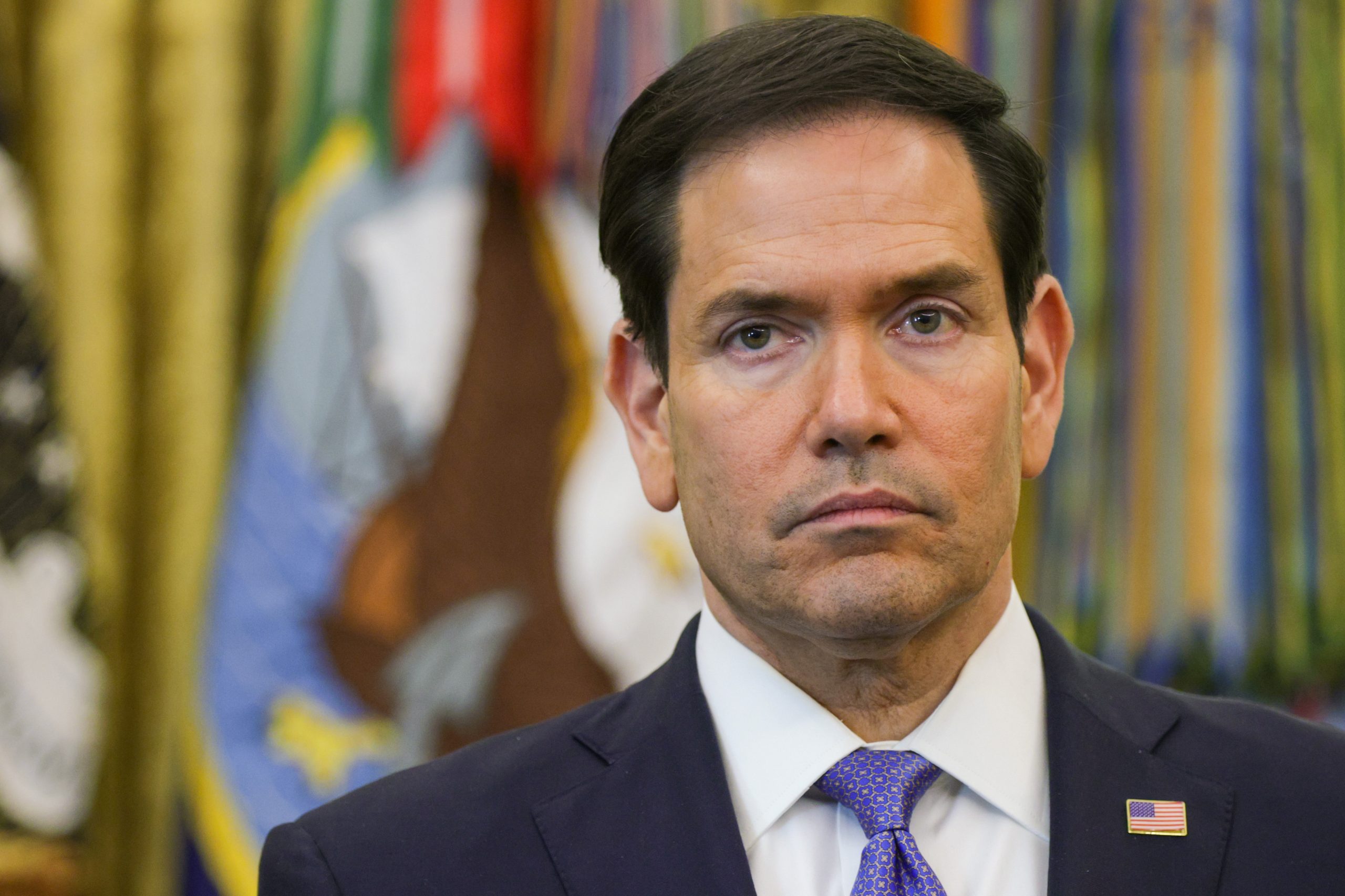
US seeks to reset Vatican ties as Rubio heads to Rome
Marco Rubio is set to meet Pope Leo XIV and Cardinal Parolin in Rome, as Washington moves to ease tensions with the Vatican after recent clashes over Iran and criticism from President Trump The United States Secretary of State, Marco Rubio, is expected to arrive in Rome on 7 May for meetings with Vatican and Italian officials, in what is understood to be an effort by Washington to stabilise relations. The visit, confirmed by the Holy See Press Office, will include a meeting with the Pope and talks with Pietro Parolin, as well as senior figures within the Italian government. It comes almost a year to the day since the election of Pope Leo XIV, and marks the first senior-level engagement between the current US administration and the Vatican since the deterioration in relations prompted by the President’s remarks about the pontiff. Over the past month, President Donald Trump has publicly criticised Pope Leo in recent weeks over the Holy See’s opposition to the United States’ military action against Iran. In one post circulated on social media, the President described the Pope as “WEAK on Crime, and terrible for Foreign Policy”. The Vatican has not issued an official response to Rubio’s visit, but the Holy See has continued to articulate its position on the conflict. Speaking to journalists last month while travelling to Africa, Pope Leo said he had “no fear of the Trump administration, or speaking out loudly of the message of the Gospel”. The Pope has repeatedly criticised the use of military force, warning against what he described in a separate address as the actions of “tyrants” who expend vast resources on warfare. Rubio’s presence in Rome is also expected to include discussions with Italian officials, amid signs of strain between Washington and Rome. Italy’s Prime Minister, Giorgia Meloni, had been regarded as a close ally of the Trump administration, but relations have cooled following her criticism of the US position on Iran and her public disapproval of the President’s remarks about the Pope. She described the attacks as “unacceptable”, placing her government at odds with Washington on both diplomatic tone and policy substance. According to Italian press reports, Rubio’s visit was communicated to the government in Rome through diplomatic channels, with indications that efforts have been underway to “rebuild the bridge” between the two countries. Meetings are expected to include Foreign Minister Antonio Tajani, with further contacts under discussion. It remains unclear whether a meeting with Meloni herself will take place. The wider diplomatic context has been further complicated by tensions between the United States and other European allies. Recent statements from Washington have included threats to reassess troop deployments in Europe, including in Italy, Germany and Spain, following criticism from European leaders over the Iran campaign. Italian Defence Minister Guido Crosetto has rejected suggestions that Rome has failed to support US operations, particularly in relation to maritime security. Rubio’s role as a senior Catholic within the administration has been noted. The timing of the visit, with the United States approaching midterm elections later this year, has also attracted attention. Catholic voters remain a significant voting bloc in American politics, having come out in support for all presidential victories in recent history. Trump himself received an estimated 57 per cent of the Catholic vote in 2024. Whether Rubio’s meetings in Rome will succeed in easing tensions remains to be seen, but the decision to send the Secretary of State signals an acknowledgement within Washington that the President is seeking to ease relations with the Vatican.
May 4, 2026