

Papua
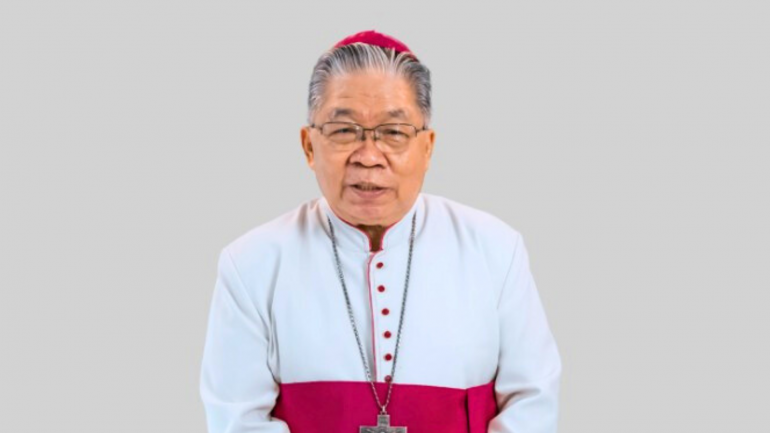
Archbishop accuses Papua documentary makers of “one-sided” propaganda
Archbishop Petrus Canisius Mandagi has accused the makers of a controversial documentary on development projects in Papua of producing “one-sided” propaganda Archbishop Petrus Canisius Mandagi has accused the makers of a controversial documentary about development projects in Papua of producing “one-sided” propaganda as tensions deepen between Indonesians and Indigenous Papuans. The Archbishop of Merauke criticised the film Pig Feast: Colonialism of Our Time for excluding the perspective of clergy in his archdiocese while amplifying accusations that the Church had aligned itself with companies linked to deforestation and the Indonesian government’s National Strategic Project. “Why did they not come to ask the bishop or the priests who live here?” Archbishop Mandagi said in comments released by the archdiocese on May 21. “They only took opinions from those who share the film’s purpose.” The documentary examines the expansion of food estate and bioenergy projects across South Papua and alleges that vast areas of indigenous land are being converted into industrial plantations. It includes criticism from Bishop Bernardus Bofitwos Baru, who has repeatedly warned of the environmental and social consequences of large-scale development in the region. Archbishop Mandagi questioned why the filmmakers had interviewed bishops from outside Merauke while overlooking the local hierarchy. He also rejected claims that his archdiocese had endorsed the destruction of forests or cooperated with companies involved in the projects. He described the allegations as “a major slander”. The Archbishop also objected to the documentary’s use of the pig feast ceremony as a political symbol, arguing that the tradition held deep spiritual significance among Papuan communities. “The pig feast is sacred. It strengthens brotherhood and connects people with God,” he said. “If it is used as a political tool, it becomes an insult to Papuans.” The controversy continues a bitter dispute between Archbishop Mandagi and sections of the Catholic laity of Papuan origin, where protests against the National Strategic Project have continued for months. The National Strategic Project is Indonesia’s large-scale infrastructure and economic programme designated by the government to drive economic growth, improve public welfare and accelerate regional development. However, for many indigenous Papuans, the project is centred on the massive Merauke food, sugarcane and bioethanol estate in South Papua, which they say has resulted in widespread human rights violations, severe environmental degradation and systematic displacement. The Voice of the Papuan Catholic Laity, a movement of indigenous Catholics which has organised demonstrations outside churches since 2024, accuses the Archbishop of siding with state authorities and corporate interests against local communities. Relations deteriorated further after Archbishop Mandagi warned during a homily in April that protesters disrupting churches would “perish”, remarks which triggered fresh demonstrations and renewed calls for his resignation. Soleman Itlay, a leading figure in the lay movement, said the Archbishop’s latest intervention came only after public criticism intensified. “Why didn’t he speak before?” he said while disputing the Archbishop’s denial of support for the National Strategic Project. “He has previously made public statements endorsing these projects. He has received company executives and military officials at the diocesan office, while closing the door to us, the indigenous Papuans.” The lay movement formally demanded Archbishop Mandagi’s resignation earlier this month in a nine-point open letter which accused the 78-year-old prelate of harming the archdiocese and alienating indigenous Catholics. The letter alleged that Archbishop Mandagi had “manipulated the pulpit” against priests and members of the congregation and accused him of fostering “anger, resentment, hatred and anxiety” within the Church. The Archbishop was also accused of maintaining close relations with corporations involved in the strategic development projects and of supporting programmes which indigenous Papuans say threaten forests, livelihoods and ancestral land. Archbishop Mandagi has consistently denied backing environmental destruction and has defended his cautious public approach to the projects. “Silence is also a way of resisting,” he said in the recent interview. “If I speak, my words will be twisted and may divide the Church.” He also criticised what he described as selective outrage over development in South Papua. “There are big eyes on South Papua, but no eyes on destruction elsewhere,” he said in an apparent reference to mining operations in other parts of Papua. Criticism of the National Strategic Project has also increased among environmental campaigners and human rights advocates, who say the programme risks transforming large areas of rainforest and wetland into industrial estates. Reports cited by activists claim concessions covering more than 560,000 hectares have already been granted to companies linked to sugarcane plantations, while wider plans envision the conversion of millions of hectares of forest, swamp and savanna into agricultural land. Archbishop Mandagi, a member of the Missionaries of the Sacred Heart, previously served as Bishop of Amboina before being appointed Apostolic Administrator of Merauke in 2019 and Archbishop the following year. The Archdiocese of Merauke is home to around 100,000 Catholics, many of them indigenous Papuans living in impoverished rural communities.
May 24, 2026