

Costa Rica
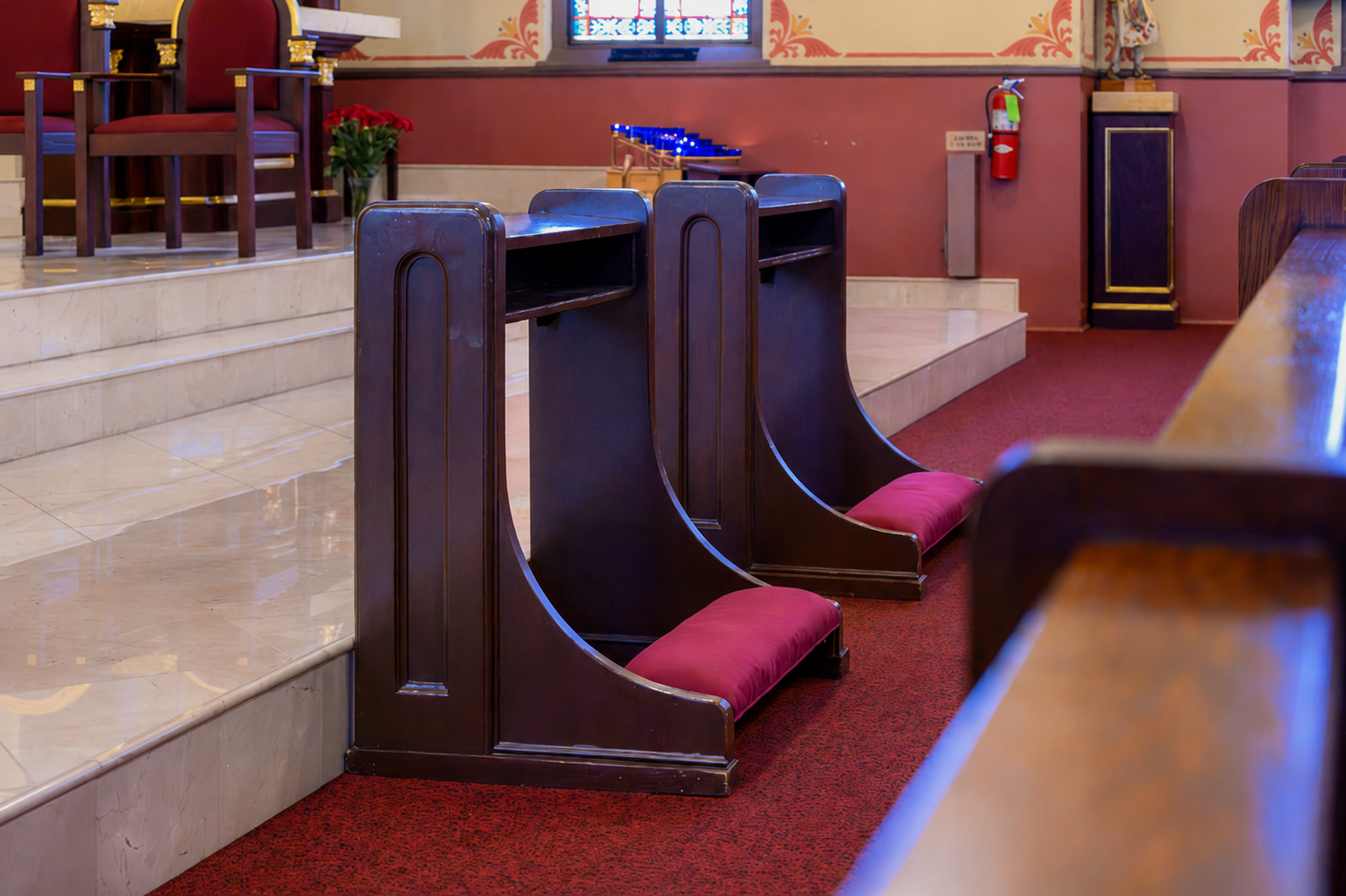
Costa Rican archbishop bans kneelers for Communion in churches
The Archdiocese of San José in Costa Rica has ordered that kneelers are no longer to be installed for the distribution of Holy Communion The Archbishop of San José in Costa Rica has ordered that kneelers are no longer to be placed in churches for the distribution of Holy Communion. The measure was set out in a circular dated May 13 and signed by Fr Francisco Morales González, the episcopal delegate for liturgy, acting on the instruction of Archbishop José Rafael Quirós Quirós. The document was issued following questions raised in recent weeks about the installation of kneelers in some churches for communicants wishing to receive Holy Communion on the knee. “From now on, kneelers are not to be installed in churches for the distribution of Communion,” the circular letter stated. The archdiocese said the decision had been taken because the presence of kneelers could lead some members of the faithful to conclude that kneeling was “the only form established by the Church” for receiving Holy Communion. The circular also argued that kneelers could impede access for elderly worshippers and those with mobility difficulties who are accustomed to receiving Communion standing. While the decree effectively prohibits the installation of kneelers during Communion, the archdiocese stressed that Catholics still retain the right to receive the Eucharist while kneeling. The document cited Redemptionis Sacramentum , the 2004 Vatican instruction on certain matters concerning the Eucharist, together with Benedict XVI’s apostolic exhortation Sacramentum Caritatis , both of which reaffirm that communicants may not be refused Holy Communion for choosing to receive kneeling. “No minister can impose a single way of receiving Communion,” the letter said, reiterating that the faithful remain free to receive either standing or kneeling, and either on the tongue or in the hand, in accordance with the norms permitted by the Church. The move has nevertheless been interpreted by some Catholics as a discouragement of the increasingly visible practice of kneeling for Communion, particularly among younger worshippers and those drawn to more traditional forms of Catholic piety. Although the universal law of the Church permits communicants to receive kneeling, episcopal conferences in many countries obtained permission for standing to become the normative posture. In 2002 the Vatican’s Congregation for Divine Worship stated that communicants who chose to kneel could not be denied the sacrament on those grounds. The ruling was later reinforced in Redemptionis Sacramentum , which declared: “It is not licit to deny Holy Communion to any of Christ’s faithful solely on the grounds, for example, that the person wishes to receive the Eucharist kneeling or standing.” Archbishop Quirós, who has led the Archdiocese of San José since 2013, has not publicly commented beyond the contents of the letter.
May 20, 2026