

Corpus Christi
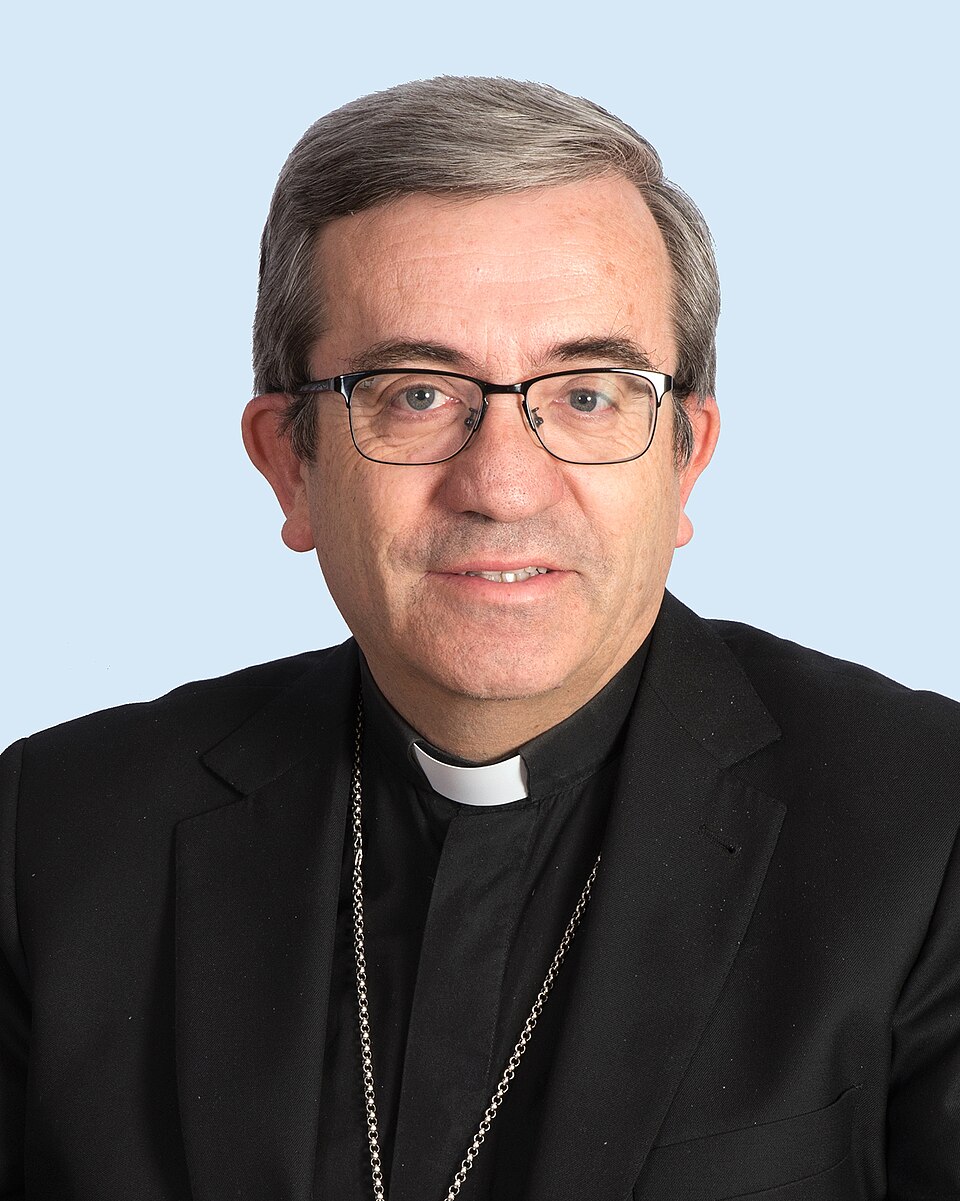
Archbishop Argüello issues Corpus Christi reminder on who may receive Communion
Archbishop Luis Argüello, president of the Spanish Bishops’ Conference, has reiterated that Catholics living in a new conjugal relationship following the breakdown of a valid sacramental marriage cannot receive Holy Communion The president of the Spanish Bishops’ Conference has reminded Catholics that those living in a new conjugal relationship following the breakdown of a valid marriage cannot receive Holy Communion. Archbishop Luis Argüello of Valladolid made the remarks in a pastoral message for Corpus Christi in which he reflected on the Eucharist and the dispositions required to receive it worthily. “When a marital relationship has broken down and those who were part of that marriage are living a new conjugal relationship,” Communion cannot be received, the archbishop said. Archbishop Argüello said those in such circumstances remained members of the Church, but that “this breaking of the Sacrament of the Covenant prevents Eucharistic communion”. “They may participate in the celebration, as well as in the life of the Church in many ways, but receiving Holy Communion is not possible,” the president of the Bishops’ Conference said. The Archbishop of Valladolid issued the message as Catholics in Spain prepare to celebrate Corpus Christi later this month. In the reflection, published as part of his diocesan pastoral programme for the first half of June, Argüello also referred to other situations which he said were incompatible with receiving Communion. These included “participating in a sinful relationship”, as well as abuses committed against others “whether in the economic or labour sphere, or in the psychological or emotional sphere”. He also referred to those publicly defending positions contrary to Christian morality. “In those cases, we cannot approach Communion without a firm decision to change our lives, making reparation for the damage caused by our situation of sin,” the archbishop said. Archbishop Argüello said the inability to receive Communion should encourage Catholics to seek a resolution consistent with the Church’s teaching on both marriage and the Eucharist. “The pain of not receiving Communion should awaken the desire to seek a solution that respects the meaning of the two sacraments at stake: Matrimony and the Eucharist,” Archbishop Argüello said. The intervention comes as Archbishop Luis Argüello prepares to accompany Pope Leo XIV during the pontiff’s apostolic visit to Spain from 6 to 12 June. Archbishop Argüello, who was elected president of the Spanish Bishops’ Conference in 2024, has become one of the most prominent voices in the Spanish Church. His election was widely viewed as signalling a more doctrinally direct approach from the episcopal conference following the presidency of Cardinal Juan José Omella. Catholic teaching holds that a valid sacramental marriage is indissoluble. For that reason, those who enter a new conjugal relationship while a previous sacramental marriage remains valid are ordinarily unable to receive the Eucharist. The issue received renewed attention during and after the Synods on the Family convened by Pope Francis and following the publication of the apostolic exhortation Amoris Laetitia in 2016. Archbishop Argüello’s latest remarks, however, amounted to a straightforward restatement of the Church’s doctrine.
Jun. 2, 2026
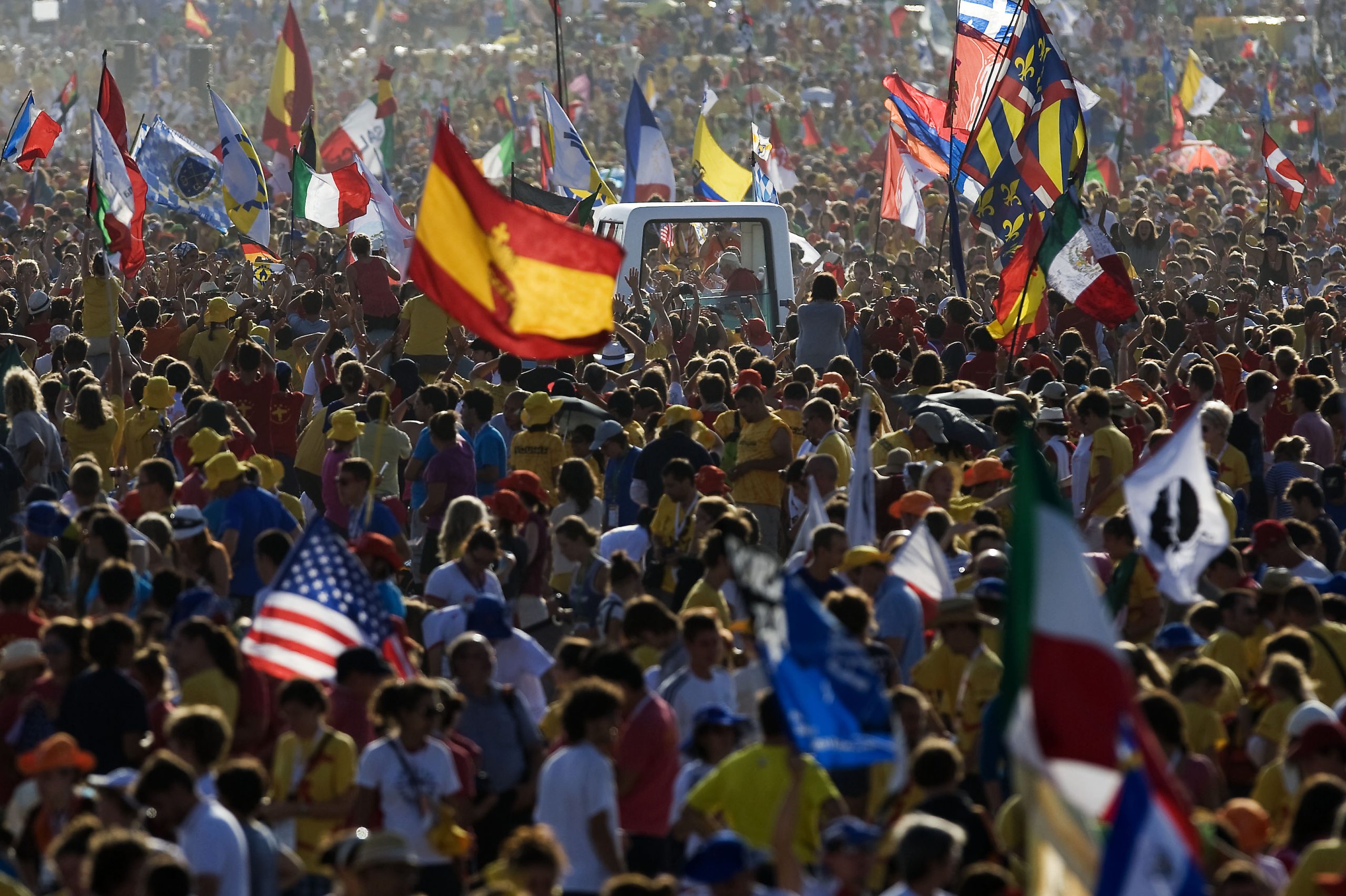
Pope Leo’s Spain itinerary released ahead of June visit
The Vatican has released the full itinerary for Pope Leo XIV’s apostolic journey to Spain from June 6 to June 12. The visit will include stops in Madrid, Barcelona, Gran Canaria and Tenerife The Holy See Press Office has released the itinerary for the anticipated apostolic journey of Pope Leo XIV to Spain, scheduled to take place from June 6 to June 12. According to the programme, the Pope will depart Rome on the morning of June 6 and arrive in Madrid at 10.30 local time, where he will be received at Adolfo Suárez Madrid-Barajas Airport before attending a welcome ceremony at the Royal Palace. He will then make a “courtesy visit to Their Majesties the King and Queen of Spain” and take part in a “meeting with authorities, civil society and the diplomatic corps”, during which he is due to deliver an address. In the evening, he is scheduled to visit the operators and those assisted by the social project “CEDIA 24 hours” before presiding at a “prayer vigil with young people in Plaza de Lima”. On June 7, the Pope will celebrate Mass in Plaza de Cibeles, followed by a Corpus Christi procession. Later that afternoon, he will meet privately with members of the Order of Saint Augustine at the Apostolic Nunciature. The day will continue with a gathering titled “Building Networks with the World of Culture, Art, Economy and Sport” at the Movistar Arena, where he is expected to speak, before concluding with a private dinner at the residence of the cardinal archbishop of Madrid. The programme for June 8 centres on meetings with political and ecclesial authorities. The Pope will meet the Prime Minister at the Apostolic Nunciature before travelling to the Congress of Deputies for a “meeting with members of the Spanish Parliament”, at which he will give an address. He will then meet the bishops of Spain at the headquarters of the Episcopal Conference. In the evening, he will take part in a “prayer and homage to the Virgin of Almudena in the Cathedral of Santa María de la Almudena”, before attending a “meeting with the diocesan community at Real Madrid FC’s Santiago Bernabéu Stadium”. On June 9, the Pope will meet the volunteers who have made the trip possible at IFEMA Madrid before departing for Barcelona. Upon arrival, he will pray the midday office at the Cathedral of the Holy Cross and Saint Eulalia and later preside at a prayer vigil at the Lluís Companys Olympic Stadium. The following day includes a visit to the “Brians 1” penitentiary centre, which, when combined with “Brians 2” on the same site, is the largest prison in Catalonia, where he will greet inmates and staff. He will then travel to Montserrat for the “prayer of the Holy Rosary at the Abbey of Our Lady of Montserrat”, an abbey which saw many of its monks murdered in the Spanish Civil War and subsequently became a symbol of Catalan nationalism. The Holy Father will have a meal with the 70 or so Benedictine monks of the abbey, who have recently celebrated 1,000 years of the monastery. Returning to Barcelona, he will meet representatives of diocesan charity and assistance organisations before celebrating Mass at the Basilica of the Holy Family, which will include the inauguration of the Tower of Jesus Christ. On June 11, the Pope will travel to Las Palmas de Gran Canaria, where he will meet organisations involved in receiving migrants at the port of Arguineguín. The Canary Islands are one of the main entry points for migrants trying to enter the EU, as the Spanish archipelago sits just off the coast of northwestern Africa and is considerably easier to access for African migrants than other parts of Europe. Later on the 11th day, the Pope will address bishops, priests, deacons, Religious and pastoral workers at the Cathedral of Saint Anne before celebrating Mass at the Gran Canaria Stadium. The final day of the visit, June 12, will see the Pope travel to Santa Cruz de Tenerife. He is scheduled to meet migrants at the “Las Raíces” centre and take part in a gathering focused on “the realities of migrant integration in the Plaza del Cristo de La Laguna”. The visit will conclude with Mass in the port of Santa Cruz de Tenerife, followed by a farewell ceremony and departure for Rome in the afternoon, with arrival at Fiumicino expected at 20.10 local time. The six-day visit is the first papal trip to the country in almost a decade and a half. Pope Emeritus Benedict XVI visited in 2011 as part of the country’s World Youth Day celebrations. However, Pope Francis did not travel to Spain during his 13-year pontificate, creating a general sense that the Catholic country is overdue a papal presence. The Spanish Episcopal Conference is organising the visit, with financing partially sourced from private donations and a 10,000-person volunteer team coordinated by the Archdiocese of Madrid.
May 6, 2026