

Cause For Canonisation
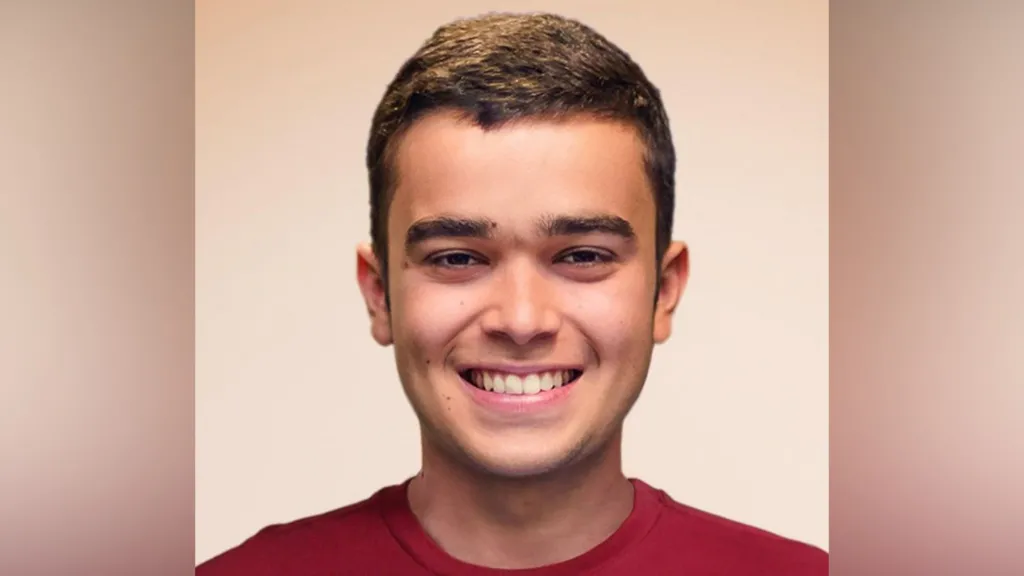
Cause opens for canonisation of Gen Z Opus Dei numerary
The Diocese of Salford has formally opened the cause for the beatification and canonisation of Pedro Ballester, the 21-year-old Opus Dei member who died of cancer in 2018 and could become the Catholic Church’s first Gen Z Saint The Diocese of Salford has formally opened the cause for the beatification and canonisation of Pedro Ballester, the 21-year-old who died of cancer in 2018 and is now on the path to becoming the Catholic Church’s first Gen Z saint. In a statement issued on 13 May, the Diocese of Salford said: “We are pleased to announce the opening of the Cause for the Beatification and Canonisation of Pedro Ballester, a young Manchester man whose life of faith and witness continues to inspire many.” Pedro died on 13 January 2018 at the age of 21. Born in Manchester in 1996 to Spanish parents, he later grew up in Harrogate before studying chemical engineering at Imperial College London. The diocese said that “shortly after beginning university, Pedro was diagnosed with advanced pelvic cancer” and that he “accepted his illness with remarkable faith, offering his suffering for the Pope, the Church and all souls, and bearing his condition with deep serenity and trust in God”. The Church will now investigate whether Pedro lived a life of heroic virtue. Evidence will be gathered concerning Pedro’s life, writings and reputation for holiness before documentation is eventually sent to Rome for examination by the Dicastery for the Causes of Saints. The diocese said that Pedro’s “reputation for holiness has grown significantly” in the years since his death, adding that the postulator of the cause, Fr Paul Hayward, had formally requested the opening of proceedings. Bishop John Arnold of Salford has invited the faithful to submit “personal testimonies, memories and any writings attributed to him, such as letters or diaries” to assist the investigation. Pedro Ballester was a numerary member of Opus Dei, having joined the institution as a teenager after attending classes of Christian formation at Greygarth Hall in Manchester. His family had ties to Opus Dei, and he was known among friends for combining academic ability with an outgoing and sociable personality. After achieving top grades in his A-levels, Pedro began studying at Imperial College in 2014. Within months he developed severe back pain and was diagnosed with advanced pelvic cancer. He later transferred his studies to the University of Manchester while receiving treatment, though deteriorating health repeatedly interrupted his degree. For much of the following three years he underwent intensive treatment at The Christie NHS Foundation Trust, as well as specialist treatment in Heidelberg, Germany. Fr Joseph Evans, chaplain of Greygarth Hall, who accompanied Pedro during the final stages of his illness, previously told the press: “Pedro was very much an ordinary person with defects and struggles. Sometimes the suffering got him down, particularly that it went on for so long. At times he would cry. He could be occasionally irritated or react against what he considered excessive sentimentality. But his struggle was very real and exceptionally brave.” Pedro met Pope Francis during a visit to Rome in 2015 after a temporary improvement in his condition. In the final months of his life he spent periods living at Greygarth Hall surrounded by fellow members of Opus Dei, friends and relatives, while continuing treatment in Manchester. According to Opus Dei, more than 500 people attended his funeral Mass at the Holy Name Church in Manchester, celebrated by Bishop Arthur Roche, now a Cardinal and Prefect of the Dicastery for Divine Worship and the Discipline of the Sacraments. In a homily delivered after Pedro’s death, Fr Evans said: “Suffering was the curriculum, the syllabus, which Pedro was given to study, not in some abstract, intellectual manner, but in the most personal, flesh and blood manner you can imagine. And he passed with distinction.” If Pedro’s cause advances, he would become one of the youngest British candidates for sainthood in modern times and could become the first “Gen Z” person to be canonised. Jack Valero, head of communications for Opus Dei in Great Britain, told AdVaticanum: “It’s wonderful to see how God is drawing out new models of holiness among young people in the last few years: Carlo Acutis, Pier Giorgio Frassati, Sister Clare Crockett, and now Pedro Ballester. They show us that holiness is possible in the 21st century, even from a very young age, and that holiness leads to deep happiness. Pedro was above all a very happy person, even in the middle of his suffering. He is becoming another role model for many young Catholics today.” In the aftermath of Pedro’s death, a group of friends established a website “with the hope that one day Pedro will be counted among the saints in the Catholic Church”. Hundreds of people from all over the world have posted stories of spiritual and physical graces received which they attribute to the intercession of Pedro.
May 15, 2026