

Blessed Sacrament
Nigerian archdiocese orders week of reparation after Blessed Sacrament stolen
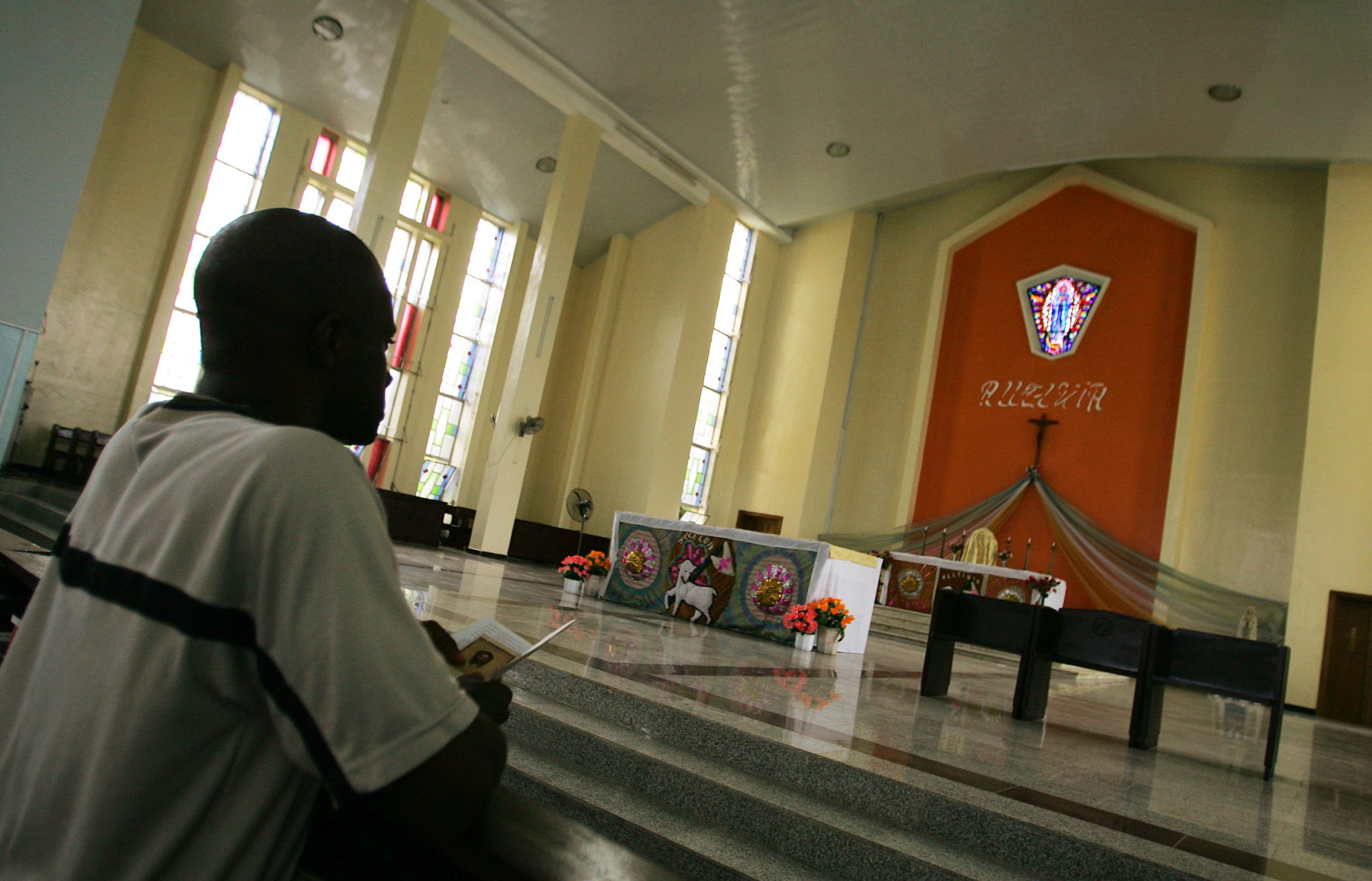
The Archdiocese of Owerri has declared a week of prayer and reparation after thieves broke into an adoration chapel through the roof and stole a monstrance containing the Blessed Sacrament The Archdiocese of Owerri in southern Nigeria has declared a week of prayer and reparation after thieves broke into an adoration chapel and stole a monstrance containing the Blessed Sacrament. The desecration took place at St Mulumba Parish, Wetheral Road, Owerri, during the early hours of 29 April after intruders reportedly entered the chapel through the roof. In a statement to the faithful, Archbishop Lucius Iwejuru Ugorji said: “It is with great sadness that we inform you of the desecration of the Chapel of Adoration of St Mulumba Parish, Wetheral Road, Owerri. As reported by the parish priest, Rev. Fr Raymond Madu, unknown persons opened parts of the roof, gained access through the ceiling, and made away with the monstrance containing the Blessed Sacrament.” The archbishop ordered a week of prayer in reparation from 1 May to 8 May between 4pm and 6pm each day for parishioners of St Mulumba Parish. He also instructed priests across the archdiocese to observe more closely the Church’s regulations governing Eucharistic adoration. “All priests in the Owerri Archdiocese are reminded to strictly adhere to the norms and directives regarding the exposition of the Blessed Sacrament and adoration to avoid any recurrence,” Archbishop Ugorji said. “We emphasise that exposition is to take place only when a fitting attendance of the faithful is assured (cf. Can. 942). The Blessed Sacrament must never be left unattended during exposition,” the archbishop concluded. Fr Humphrey Tatah Mbuy told the Catholic World Report that prayers of reparation are offered after acts of sacrilege against churches or the Eucharist. “A prayer of reparation is a liturgical rite and spiritual act performed to make amends for the sacrilege committed against God and to restore the sacred character of the building,” Fr Mbuy said. He added: “The prayer is a way for the Church to apologise to God for the offence committed against His house.” Nigeria continues to experience significant violence against Christians, particularly in the north and Middle Belt. This often involves attacks by Fulani militants, Boko Haram affiliates or armed bandits, with churches and clergy frequently targeted. For example, over this year’s Easter season, armed attackers stormed two churches in the Ariko community of Kachia Local Government Area, Kaduna State, during services at the Evangelical Church Winning All (ECWA) and St Augustine’s Catholic Church. The gunmen opened fire indiscriminately, killing at least five worshippers and abducting dozens more. The Catholic Archdiocese of Kafanchan also confirmed the abduction of Fr Nathaniel Asuwaye after armed men attacked the priest’s residence in Karku in February. In a statement issued after the assault, the archdiocese described the incident as a “terrorist invasion”, while local Catholics organised Masses and rosaries for the safe return of the priest and those kidnapped alongside him. According to Open Doors, in 2024 Nigeria was the country with the highest number of Christians killed for their faith, with 3,100 Christians killed and 2,830 kidnapped that year. The Catholic Bishops’ Conference of Nigeria has warned on several occasions that attacks on churches, rectories and Christian villages are creating widespread fear among the faithful. Aid organisations including Aid to the Church in Need and the United States Commission on International Religious Freedom have also documented repeated incidents involving church burnings, abductions and the killing of clergy across the country.
May 12, 2026