The Catholic Diocese of Las Cruces has entered into a legal battle with the Trump administration after federal authorities moved to seize Church-owned land at a Catholic pilgrimage site on the United States-Mexico border in order to expand the border wall.
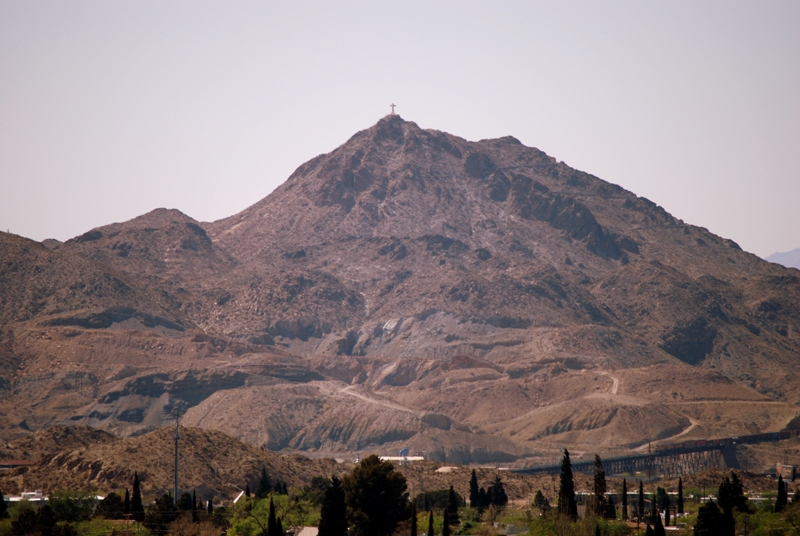
Court filings lodged in the United States District Court for New Mexico reveal that the diocese is resisting attempts by the Department of Justice to acquire approximately 14 acres of land at the foot of Mount Cristo Rey, a mountain shrine crowned by a towering limestone statue of Christ.
The Trump administration argues that the land is required for the construction of new border infrastructure, including fencing, roads, surveillance systems and vehicle barriers. The diocese, however, maintains that the seizure would gravely interfere with the free exercise of religion and damage the sanctity of a site which has become a symbol of Catholic devotion in the borderlands.
In legal submissions filed on 8 May, lawyers acting for the Diocese of Las Cruces argued that the proposed construction would “substantially burden the free exercise of religion” for the faithful who use the site for prayer and pilgrimage. The diocese said the erection of a border wall through the area could “irreparably damage its religious and cultural sanctity”.
The dispute centres on Mount Cristo Rey, situated near Sunland Park, where an 8.8-metre statue of Christ the King was completed in 1940 overlooking the Rio Grande valley. Every year, particularly around the Feast of Christ the King, tens of thousands of pilgrims ascend the mountain in acts of penance and devotion. Court documents state that some pilgrims climb the mountain barefoot while others make the ascent on their knees.
The federal government has offered compensation of approximately $183,000 for the land under powers of eminent domain, the legal doctrine which permits the state to compulsorily purchase private property for public use. According to filings submitted by the Department of Homeland Security, the acquisition forms part of a wider project to construct more than two kilometres of additional border barrier south of Mount Cristo Rey.
The Diocese of Las Cruces has argued that the government is attempting to move too quickly through the courts and deny the Church an opportunity to properly challenge the seizure under both the First Amendment of the United States Constitution and the Religious Freedom Restoration Act.
Kathryn Brack Morrow, an attorney representing the diocese, told the press: “The United States Government’s effort to use expedited procedures to condemn diocesan land to build a border wall is an affront to religious liberty.”
She added that the diocese would use “all legal tools at its disposal to stop these heavy-handed tactics”.
The administration has defended the project as a necessary measure for national security and border control. Customs and Border Protection said in a statement that its preference had been to obtain the land voluntarily, but that the matter had been referred to the Department of Justice after negotiations failed.
“It is always CBP’s preference to obtain real estate interests voluntarily,” the agency said. “However, if CBP is unable to acquire the necessary access voluntarily within a reasonable timeframe, CBP refers the matter to the Department of Justice to acquire any necessary property interests through eminent domain.”
The shrine at Mount Cristo Rey occupies a unique position along the southern frontier. Much of the border surrounding El Paso and southern New Mexico is already heavily fortified, leaving the mountain as one of the few remaining open stretches in the metropolitan area without an extensive barrier system.
The legal challenge mounted by the Diocese of Las Cruces is being supported by lawyers from Georgetown University’s Institute for Constitutional Advocacy and Protection, an organisation which has previously been involved in litigation against Trump-era immigration measures.
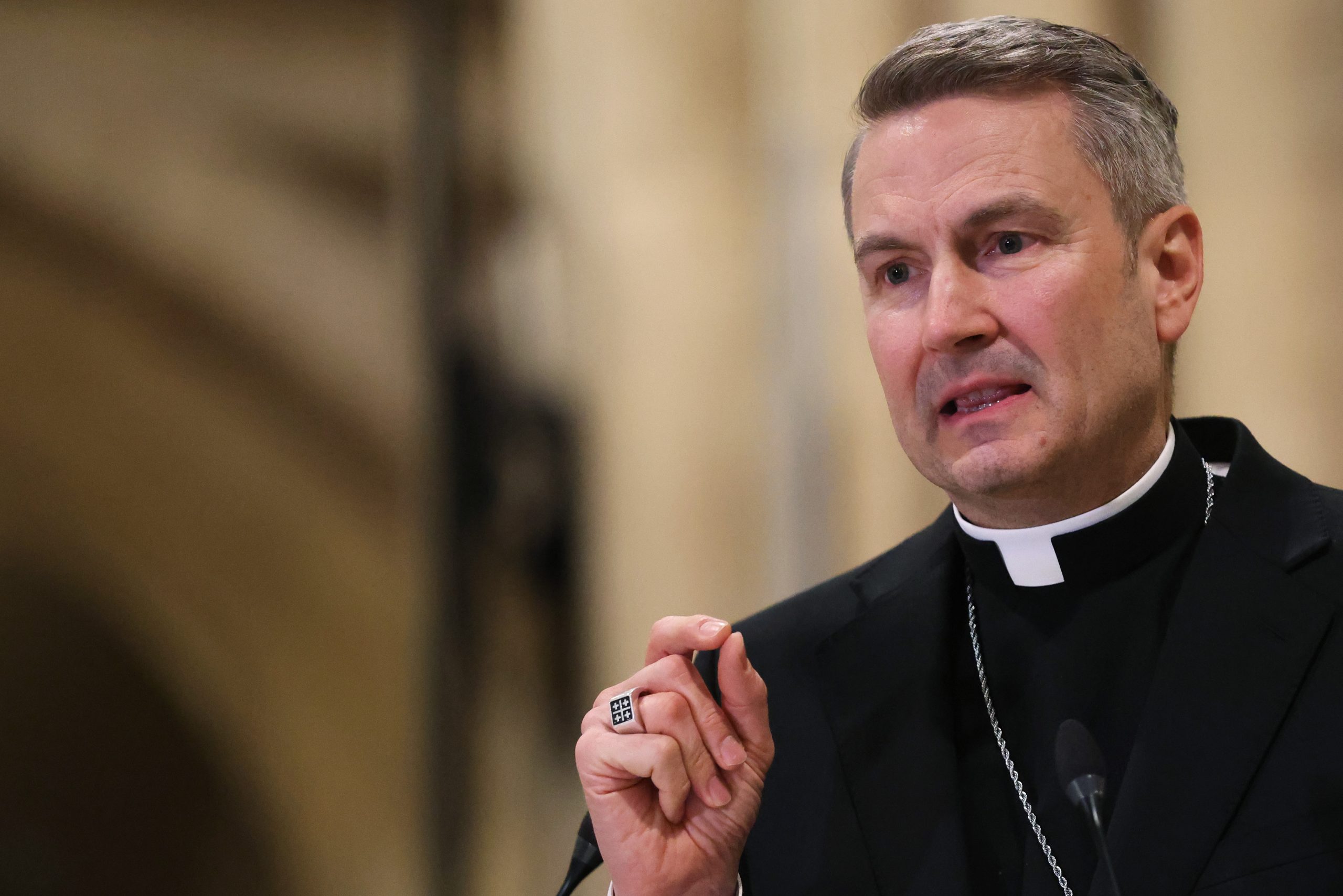
The Diocese is led by Bishop Peter Baldacchino, who was born in Malta and later became a naturalised American citizen. Much of Bishop Baldacchino’s formation took place within the Neocatechumenal Way, and he is the first bishop in the United States to be part of the charism.